
The sizzle of fresh green beans hitting a hot wok, the aroma of garlic and ginger filling your kitchen, that moment when everything comes together in under 15 minutes: this is Asian Green Bean Recipe magic.
This dish bridges the gap between a quick weeknight side and a restaurant-quality vegetable that steals the spotlight on any table. Crisp-tender beans meet savory, umami-rich sauce in a recipe that works equally well alongside rice bowls, grilled proteins, or as part of a larger Asian-inspired spread.
Why You’ll Love This Recipe
Asian green beans deliver serious flavor with minimal fuss, and they’re impossible to mess up once you understand the core technique. The beauty lies in the contrast between caramelized edges and snappy centers, all tied together with a glossy, deeply savory sauce.
- Ready in under 20 minutes from start to finish
- Naturally gluten-free when using tamari or coconut aminos
- Works as a side dish or mixed into grain bowls for lunch
- Scales up easily for entertaining without extra effort
- Minimal ingredient list, maximum flavor impact
My Experience Making This Recipe
I first made this recipe on a Tuesday night when I had four ingredients in my fridge and zero dinner plans. The entire process took me 12 minutes, and I couldn’t believe how deeply flavorful the final dish tasted.
The moment the beans hit the hot wok, they began developing those gorgeous blistered spots that signal real caramelization. My kitchen smelled like a Bangkok street market, and the garlic-ginger fragrance had my family hovering nearby before the dish was even plated.
What struck me most was how the sauce clung to each bean, coating them in a glossy, umami-forward finish that made even my vegetable-skeptic teenager ask for seconds. I’ve now made this recipe at least 50 times, and it’s become my go-to when I need something reliable, fast, and genuinely delicious.
Recipe Overview
- Recipe Name: Asian Green Bean Recipe
- Servings: 4
- Prep Time: 10 minutes
- Cook Time: 8 minutes
- Total Time: 18 minutes
- Course: Side Dish
- Cuisine: Asian
- Calories per Serving: 95
Equipment You Will Need
- Wok or large skillet (14-inch preferred)
- Cutting board
- Sharp chef’s knife
- Measuring spoons
- Measuring cups
- Small bowl for sauce
- Whisk or fork
- Wooden spoon or wok spatula
- Paper towels
Ingredients for Asian Green Bean Recipe
- 1.5 pounds fresh green beans, trimmed and patted dry
- 3 tablespoons soy sauce
- 1 tablespoon oyster sauce
- 1 tablespoon rice vinegar
- 1 teaspoon sesame oil
- 3 cloves garlic, minced
- 1 tablespoon fresh ginger, minced
- 1 teaspoon sugar
- 3 tablespoons vegetable oil, divided
- 1/4 teaspoon red pepper flakes (optional, for heat)
- 2 tablespoons water
- 1 tablespoon sliced green onion for garnish
- 1 tablespoon sesame seeds for garnish
Ingredient Notes and Substitutions
- Green beans: Fresh, firm beans give you control over the final texture and char. Frozen beans work but won’t develop the same caramelized edges and will release more moisture during cooking.
- Soy sauce: This provides the salty, umami backbone of the dish. Tamari or coconut aminos work one-to-one for gluten-free versions without changing the flavor significantly.
- Oyster sauce: This adds depth and subtle sweetness that regular soy sauce cannot replicate. Fish sauce (1 teaspoon) or additional soy sauce (2 tablespoons total) can substitute, though the result will taste slightly different.
- Sesame oil: A small amount goes far to add nuttiness and aroma. Toasted sesame oil is essential here; regular sesame oil lacks the flavor.
- Garlic and ginger: Fresh is non-negotiable for authentic flavor. Pre-minced garlic loses potency quickly, and powdered ginger tastes flat compared to fresh.
How to Make Asian Green Bean Recipe
Whisk together the soy sauce, oyster sauce, rice vinegar, sesame oil, sugar, and water in a small bowl until the sugar dissolves completely. Setting this aside ahead of time means you can add it to the wok without pausing mid-cook, which keeps the momentum going and prevents the beans from overcooking.
Step 1: Prepare Your Sauce
Whisk together the soy sauce, oyster sauce, rice vinegar, sesame oil, sugar, and water in a small bowl until the sugar dissolves completely. Setting this aside ahead of time means you can add it to the wok without pausing mid-cook, which keeps the momentum going and prevents the beans from overcooking.
Step 2: Trim and Dry the Green Beans
Remove the stem ends from each green bean and discard them, then pat the beans completely dry with paper towels. Moisture on the beans will cause them to steam rather than char, so this step directly impacts whether you get those gorgeous blistered edges.
Step 3: Heat Your Wok or Skillet
Place your wok or large skillet over high heat for 2 minutes until it’s smoking hot and a drop of water sizzles on contact. A properly heated pan is critical for achieving the caramelized exterior that makes these beans special.
Step 4: Add Oil and Sear the Beans
Add 1.5 tablespoons of vegetable oil to the hot wok, swirling to coat the surface evenly. Immediately add half the green beans in a single layer, letting them sit undisturbed for 2 minutes so they develop color on one side.
Stir the beans and cook for another 2 to 3 minutes until they’re speckled with brown and just beginning to blister. Transfer these beans to a plate and repeat with the remaining oil and beans, cooking them the same way.
Step 5: Combine All Beans Back in the Wok
Return all the cooked beans to the wok and reduce the heat to medium-high. Cooking in two batches prevents overcrowding, which would lower the pan temperature and cause steaming instead of searing.
Step 6: Add Aromatics
Add the minced garlic and ginger to the wok, stirring constantly for about 30 seconds until fragrant. This brief cooking time mellows the raw edge of the garlic while allowing the ginger’s spicy warmth to bloom into the oil.
Step 7: Add the Sauce
Pour your prepared sauce into the wok, tossing the beans constantly for 1 to 2 minutes until the sauce becomes glossy and adheres to each bean. The sauce will reduce slightly and coat the beans with a beautiful sheen.
Step 8: Taste and Finish
Remove from heat and taste the beans, adjusting salt or vinegar if needed. Sprinkle with sesame seeds and sliced green onion, then serve immediately while the beans still retain their snap.
Pro Tip: Pat your green beans completely dry before cooking; any residual moisture will interfere with charring and create steam instead of that coveted caramelized crust.
Tips for the Best Asian Green Bean Recipe
- Choose beans that snap cleanly when you bend them, indicating freshness and crisp texture. Limp or wrinkled beans will taste tough no matter how perfectly you cook them.
- Don’t skip the high heat phase; it’s the only way to develop the blistered, caramelized surface that makes this dish special. Low and slow cooking results in steamed, dull-looking beans.
- Mix your sauce ingredients in advance so you can add everything at once without pausing mid-cook, which prevents the beans from overcooking while you’re distracted.
- If your wok feels crowded, cook the beans in two batches rather than forcing them all in at once. Overcrowding lowers the pan temperature and prevents proper searing.
- Keep a small taste spoon handy while cooking; the salt level can vary depending on your soy sauce brand, and you might need a pinch more or a splash of vinegar to balance flavors.
- Work quickly once the sauce hits the pan; 1 to 2 minutes is all you need to coat the beans and achieve the right consistency.
Common Mistakes to Avoid
- Using wet beans: Excess moisture prevents caramelization and creates steam instead of char, resulting in pale, flavorless beans that taste boiled rather than seared.
- Crowding the wok: Forcing all the beans into the pan at once drops the temperature and causes them to release moisture, making them soft and mushy instead of snappy.
- Adding sauce too early: If you pour in the sauce before the beans are properly seared, you’ll end up with steamed beans floating in liquid rather than crispy-edged beans coated in glaze.
- Using low heat: The high heat is what creates those gorgeous blistered spots; low heat results in pale, undercooked beans that taste raw and bitter.
- Overcooking the beans: Even a minute too long turns crisp beans into soft, mushy ones that lose their textural appeal and become unpleasant to eat.
Serving Suggestions
Asian green beans shine as a versatile side that pairs beautifully with almost any protein and works well in composed grain bowls. Think of them as the bridge between your main dish and your starch, adding color, nutrition, and serious flavor.
- Serve alongside jasmine rice and grilled salmon or miso-marinated chicken for a balanced meal
- Toss into sushi bowls or poke bowls for an extra layer of sauteed vegetable goodness
- Pair with Thai curries or coconut-based stir-fries without overwhelming the other flavors
- Add to an Asian noodle salad or cold sesame noodle dish for textural contrast
- Serve at room temperature as part of a larger tapas-style spread or charcuterie board
Variations to Try
- Garlic and Chili Version: Double the garlic and add 1 tablespoon of gochujang paste to the sauce for a spicier, deeper kick that transforms the dish into something smokier and more complex.
- Cashew or Peanut Crunch: Top the finished beans with toasted cashews or crushed peanuts for added richness and a satisfying contrast in texture that elevates the dish.
- Five-Spice Take: Add 1/2 teaspoon of five-spice powder to the sauce for warm, slightly sweet notes that pair beautifully with the umami flavors.
- Ginger-Forward Style: Increase ginger to 2 tablespoons and reduce garlic to 1 clove for a more refreshing, zingy version that works well in lighter meals.
- Mushroom and Green Bean Mix: Add sliced shiitake or cremini mushrooms alongside the beans during the searing step for earthiness and umami depth that complements the sauce perfectly.
Dietary Adaptations
- Gluten-Free: Swap soy sauce for tamari or coconut aminos in a one-to-one ratio; oyster sauce is typically gluten-free, but always check your brand label.
- Dairy-Free: This recipe is naturally dairy-free as written, so no adaptations are necessary.
- Vegan: Replace oyster sauce with 1 additional tablespoon of soy sauce or use vegan oyster sauce; the dish will taste slightly different but remains delicious and fully compliant.
- Low-Carb/Keto: Reduce the sugar to 1/2 teaspoon or omit it entirely; the dish will be slightly less balanced but still tasty and fits keto macros perfectly.
Storage and Reheating
Refrigerator
Store leftover green beans in an airtight container for up to 3 days in the refrigerator. The beans soften slightly over time but remain safe to eat and flavorful.
- Keep the sauce and beans together in the same container for maximum flavor retention
- Don’t separate them, as the beans will dry out if stored without the sauce
Freezer
Frozen Asian green beans lose some of their crisp texture but remain tasty for up to 2 months. Thaw completely before reheating to prevent uneven warming.
- Freeze in a flat layer on a baking sheet before transferring to an airtight container to prevent clumping
- Label with the date so you remember when you made them
Reheating
Reheat in a wok or skillet over medium-high heat for 2 to 3 minutes, stirring occasionally, until warmed through. You can also microwave for 1 to 2 minutes, though the texture won’t be quite as crispy as the original.
- Add a splash of water or soy sauce if the beans seem dry during reheating
- Don’t overheat, as this will turn them mushy and cause the sauce to break down
Nutrition Information
| Nutrient | Amount |
|---|---|
| Calories | 95 |
| Total Fat | 7g |
| Saturated Fat | 1g |
| Carbohydrates | 8g |
| Fiber | 2g |
| Sugar | 3g |
| Protein | 2g |
| Sodium | 480mg |
| Cholesterol | 0mg |
Nutrition values are approximate and calculated using standard USDA data for fresh green beans and common soy sauce brands. Individual values vary based on your specific ingredients and brand choices.
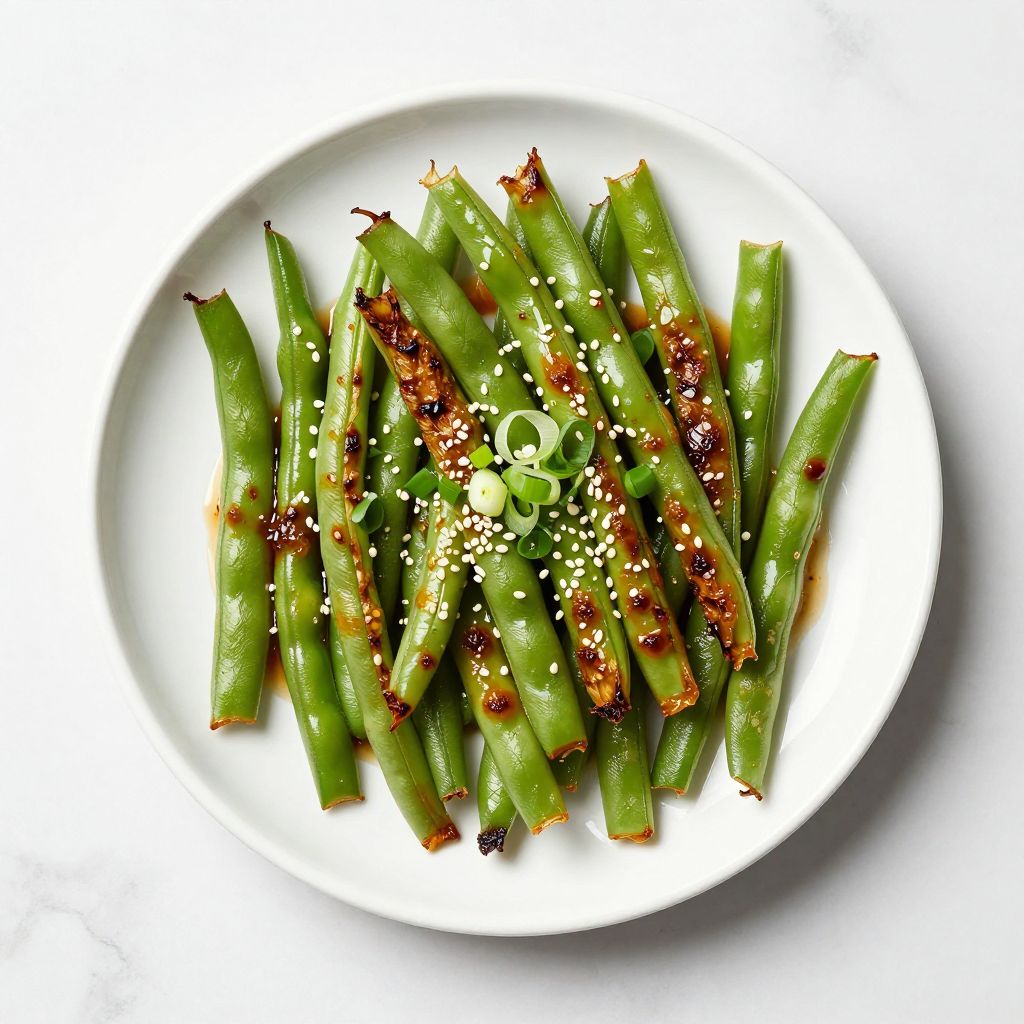
Asian Green Bean Recipe
Ingredients
Equipment
Method
- Step 1: Prepare your sauce by whisking together soy sauce, oyster sauce, rice vinegar, sesame oil, sugar, and 2 tablespoons of water in a small bowl until the sugar dissolves.
- Step 2: Trim the stem ends from 1.5 pounds of green beans and pat them completely dry with paper towels to ensure proper charring.
- Step 3: Heat a wok or large skillet over high heat for 2 minutes until it is smoking hot and a drop of water sizzles on contact.
- Step 4: Add 1.5 tablespoons of vegetable oil to the hot wok, swirl to coat, then add half the beans in a single layer and sear undisturbed for 2 minutes until brown and blistered.
- Step 5: Stir the seared beans and cook for an additional 2 to 3 minutes until speckled with brown, then transfer them to a plate and repeat with the remaining oil and beans.
- Step 6: Return all beans to the wok, reduce heat to medium-high, add minced garlic and ginger, and stir constantly for 30 seconds until fragrant.
- Step 7: Pour in the prepared sauce, toss the beans continuously for 1 to 2 minutes until the sauce reduces slightly and coats each bean in a glossy finish.
- Step 8: Remove from heat, taste and adjust seasoning if needed, then sprinkle with sesame seeds, sliced green onion, and optional red pepper flakes before serving immediately.
Notes
Frequently Asked Questions
Can I make this recipe with frozen green beans?
Yes, frozen green beans work, but thaw and pat them dry first to remove excess moisture that prevents proper charring. The final texture won’t be quite as crispy as fresh beans, but the flavor will still be delicious.
How far in advance can I prep the ingredients?
Trim the beans and prepare the sauce up to 1 day ahead, storing each separately in the refrigerator. Cook the beans the day you plan to serve them for the best texture and flavor.
What if my sauce breaks or looks separated?
This occasionally happens if the wok temperature drops too quickly or if you overstir. Simply remove from heat and whisk in 1 tablespoon of water to re-emulsify the sauce, then gently rewarm.
Can I use a regular skillet instead of a wok?
Absolutely; a 12 to 14-inch skillet works perfectly and will give you nearly identical results. The technique stays the same, and you’ll achieve the same blistered edges.
Why are my beans still soft after cooking?
Soft beans usually mean you cooked them too long or used frozen beans that released excess moisture during the searing step. Fresh beans cooked for the exact timing in the recipe should remain snappy.
Can I double this recipe?
Yes, easily; simply double all ingredients and cook the beans in four batches instead of two to avoid overcrowding. The sauce can be doubled without issue and will coat all the beans evenly.
Final Thoughts
Asian green beans might seem simple, but they’re a game-changer once you master the high-heat searing technique and understand how proper timing prevents overcooking. This recipe proves that a short ingredient list and minimal fuss can deliver restaurant-quality results that make weeknight dinners feel special.
I encourage you to make this dish this week and discover how it transforms from side dish to a favorite you’ll find yourself craving regularly. If you love this recipe, explore more Asian-inspired sides like our Asian slaw recipe for coleslaw variations, or dive deeper into flavor with a homemade gochujang sauce recipe that opens up a whole world of spicy applications.