
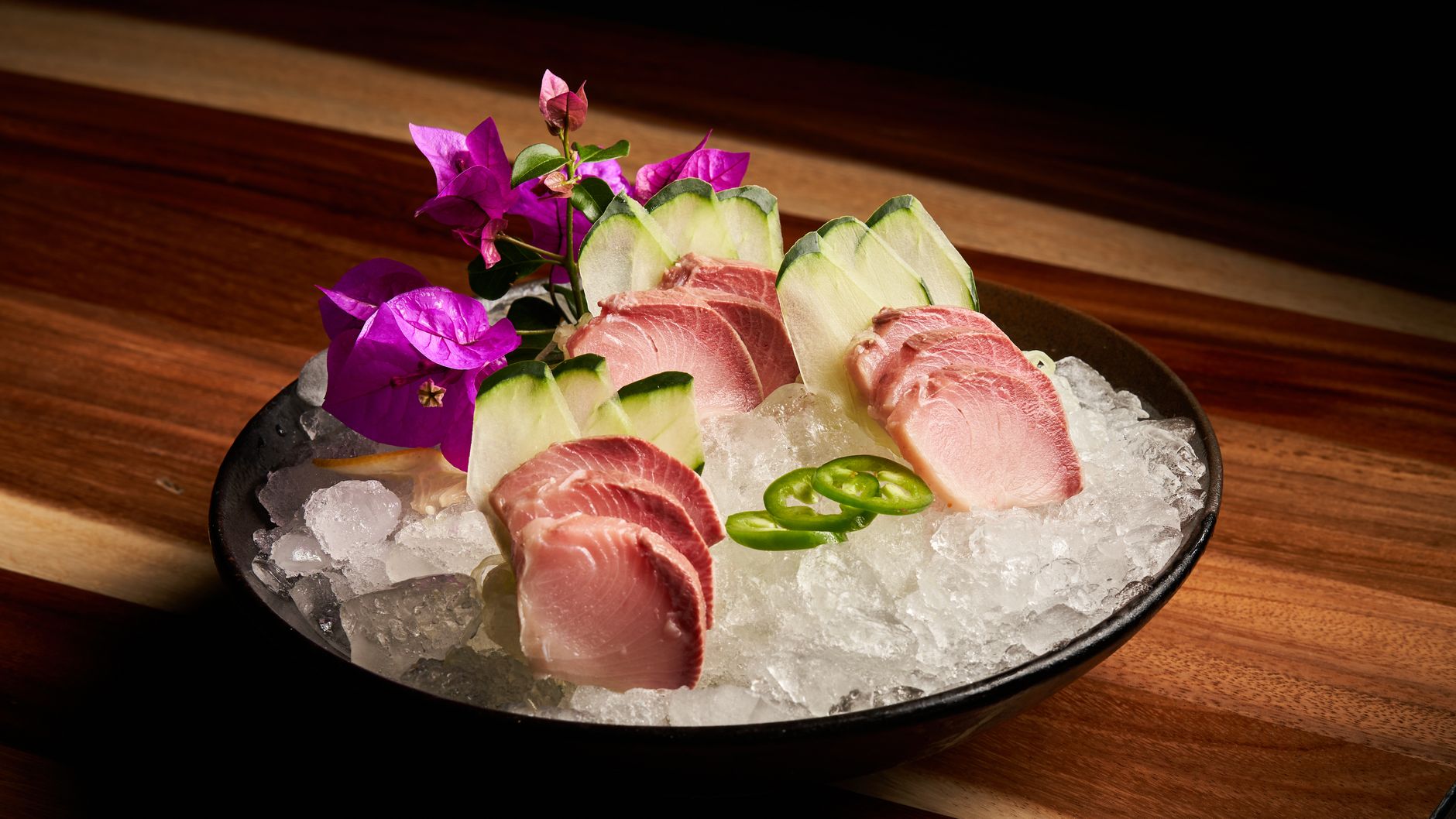
Yellowtail is often associated with sushi and sashimi, delighting seafood lovers with its rich flavor and tender texture. However, confusion arises when determining whether it is a type of tuna. Understanding the classification and uses of yellowtail can enhance your culinary skills and appreciation for this fish.
In this article, we will explore whether yellowtail is a type of tuna, its culinary characteristics, how to prepare it properly, and practical tips for cooking with this sought-after fish. With this knowledge, you’ll be ready to incorporate yellowtail into your meals with confidence.
Is Yellowtail a Type of Tuna?
No, yellowtail is not a type of tuna, but it is often mistaken for one. The most common type referred to as yellowtail is the Japanese amberjack, scientifically known as Seriola quinqueradiata. Although related, yellowtail and tuna belong to different families of fish.
Tuna, including species like bluefin, albacore, and skipjack, is part of the Scombridae family. Yellowtail, being part of the Carangidae family (which also includes jacks and pompanos), carries different characteristics but shares some culinary similarities with tuna. Understanding these distinctions can help in choosing the right fish for your recipes.
Characteristics of Yellowtail
Yellowtail is prized for its firm texture and rich, buttery flavor. Its flesh has a pinkish hue, which deepens to a vibrant red closer to the skin. The flavor profile of yellowtail is slightly more delicate compared to most tuna, making it a preferred choice in sushi and sashimi preparations.
Flavor Profile
The taste of yellowtail is often described as mildly sweet with slightly nutty undertones. Its high-fat content contributes to its rich mouthfeel, making it great for grilling, searing, or serving raw. When cooked, yellowtail has a distinctive richness that pairs well with marinades and spices.
Nutritional Value
Yellowtail is not only delicious but also nutritious. It is rich in omega-3 fatty acids, which promote heart health, and also provides high-quality protein, vitamin D, and essential minerals like selenium. Overall, it’s a wholesome addition to any diet.
How to Prepare Yellowtail
Preparing yellowtail can range from simple slicing for sashimi to elaborately marinating and grilling. Here is a guide on how to prepare yellowtail both raw and cooked.
Slicing Yellowtail for Sashimi
When preparing yellowtail for sashimi, freshness is paramount. Here’s a step-by-step guide:
- Choose the Right Cut: Select a fresh yellowtail fillet, preferably from a trusted source.
- Tools Needed: Use a sharp knife, preferably a sashimi or yanagiba knife, and a clean cutting board.
- Slice Correctly: Hold the fillet with one hand and slice against the grain at a 45-degree angle into thin pieces, about 1/4 inch thick. Keep your knife clean between cuts to ensure pristine slices.
Cooking Yellowtail
For cooked dishes, yellowtail can be grilled, broiled, seared, or even baked. Here are some methods to consider:
Grilling Yellowtail
Grilling yellowtail enhances its natural flavors. Follow these steps:
- Preheat the Grill: Heat your grill to medium-high.
- Marinate (Optional): For enhanced flavor, marinate the fish in a mixture of soy sauce, ginger, and sesame oil for about 30 minutes.
- Grill: Oil the grill grates to prevent sticking. Place the yellowtail on the grill and cook for about 3-5 minutes per side, depending on thickness. You want the fish to be opaque and flaky.
Seared Yellowtail
Seared yellowtail is a quick way to prepare the fish while keeping it moist inside. Here’s how:
- Prepare the Pan: Heat a non-stick skillet over medium-high heat, adding a thin layer of oil.
- Season: Season the yellowtail fillet with salt and pepper.
- Seer: Place the fish skin-side down (if skin is on) and sear for 2-3 minutes without moving it. Flip and sear for an additional 1-2 minutes until cooked through.
Cooking Tips and Common Mistakes
To ensure a successful cooking experience with yellowtail, keep the following tips in mind:
- Freshness is Key: Always choose the freshest yellowtail available, especially when consuming it raw.
- Don’t Overcook: Overcooking can result in a dry texture. Aim for medium doneness; the fish should still be moist and tender.
- Let it Rest: Allow cooked yellowtail to rest for a few minutes before serving to let the juices redistribute.
- Experiment with Flavors: Yellowtail can pair beautifully with citrus, soy sauce, and sesame. Don’t be afraid to experiment with flavors that complement its delicate taste.
Practical Kitchen Uses for Yellowtail
Yellowtail can be used in various culinary applications beyond sushi and sashimi. Here are some versatile ways to incorporate this fish into your meals:
Yellowtail Sushi Rolls
The rich flavor of yellowtail makes it a popular choice for sushi rolls. Use it with ingredients such as avocado, cucumber, or spicy mayo to create flavorful rolls.
Yellowtail Ceviche
Ceviche is a fresh, bright dish where acid from citrus “cooks” the fish. Dice yellowtail and mix with lime juice, cilantro, jalapeños, and diced onions for a refreshing appetizer.
Yellowtail Tacos
For a unique twist, try using grilled or seared yellowtail in tacos. Top with a mango salsa and a drizzle of lime crema for a flavorful dish.
Yellowtail Salad
Thinly sliced yellowtail works beautifully in salads—combine with mixed greens, avocado, sesame seeds, and a soy vinaigrette for a light yet satisfying meal.
Ingredient Substitutions
If yellowtail is unavailable, there are several good alternatives you can consider, keeping in mind that flavor and texture might differ slightly. Here are some suitable substitutions:
- Other Types of Fish: Use tuna (especially yellowfin) for a similar texture and flavor, or opt for mackerel or swordfish for their richness.
- Salmon: While flavor varies, salmon can work in sushi or sashimi-style dishes, providing a different but enjoyable taste.
- Whitefish: Types like halibut or cod can substitute, particularly in cooked dishes where texture is less critical.
Storage and Reheating Guidance
Storing yellowtail properly is crucial to maintain freshness. Here are some guidelines:
- Refrigeration: Keep fresh yellowtail in the coldest part of the refrigerator, well-wrapped, and consume within 1-2 days for the best quality.
- Freezing: Yellowtail can be frozen for longer storage. Wrap tightly in plastic wrap and aluminum foil, labeling with the date. It can last in the freezer for up to three months.
- Thawing: Thaw frozen yellowtail in the refrigerator overnight, rather than at room temperature.
- Reheating: If reheating, do so gently in a non-stick skillet over low heat to avoid drying out the fish.
Conclusion
Yellowtail is a versatile fish with culinary applications ranging from sushi to savory dishes. While it is not a type of tuna, its rich flavor and texture make it a favorite among seafood enthusiasts. Understanding how to select, prepare, and cook yellowtail can elevate your culinary repertoire.
Now that you know more about yellowtail, consider trying it out in delicious dishes. For more seafood inspiration, explore the Seared Ahi Tuna Recipe and take a look at this flavorful Tuna Burger Recipe for your next meal planning session.