
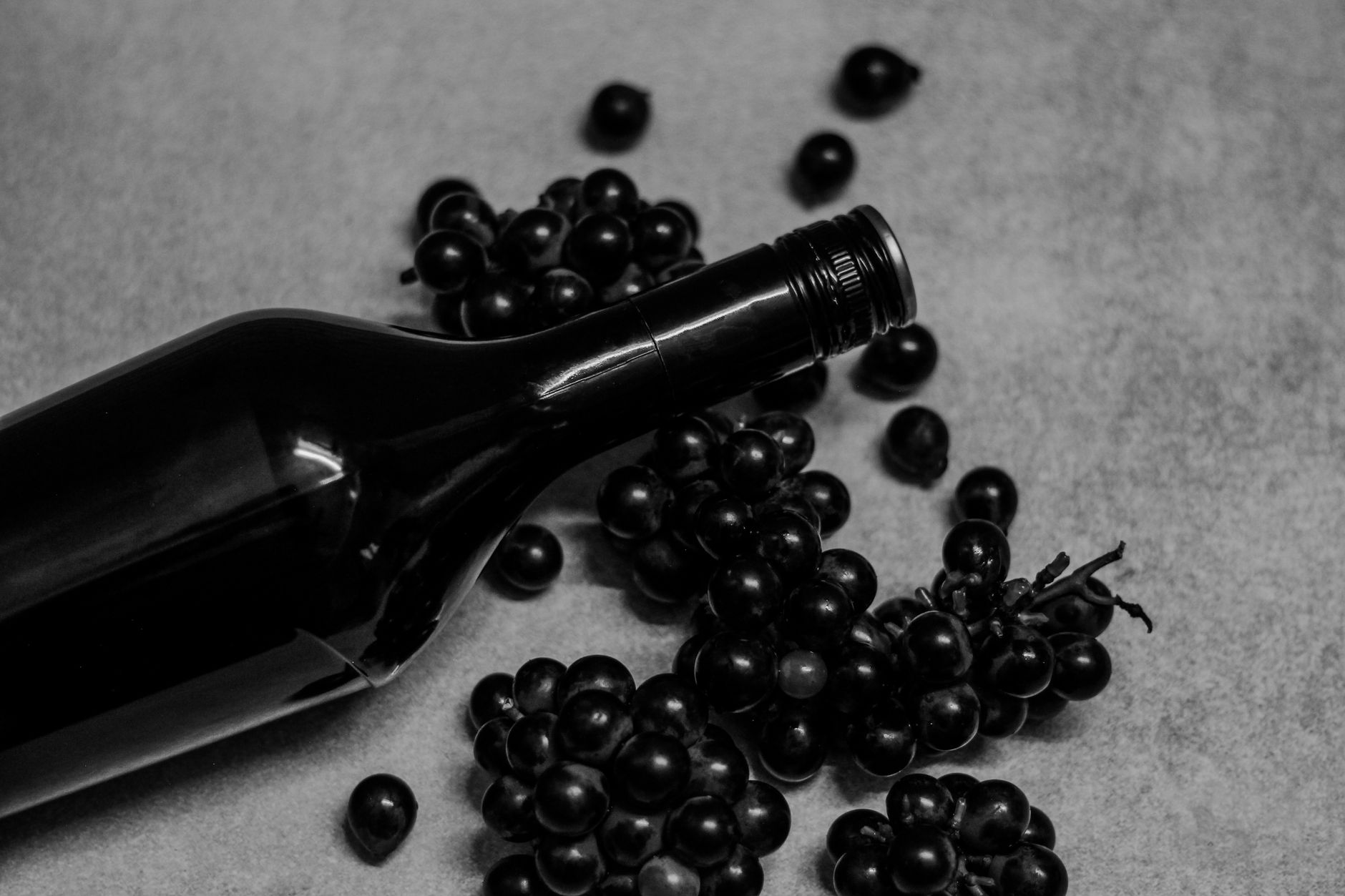
Wine is indeed made from fermented grapes, a process that has been perfected over centuries. Understandably, many people are curious about how this fascinating transformation occurs and what it entails. This article will delve into the world of wine production, exploring everything from the fermentation process to the nutritional aspects and varied uses of wine in cooking and beyond.
Understanding the intricacies of winemaking can enhance your appreciation for this age-old beverage. We’ll cover essential topics, including classification, nutrition, and practical uses of wine, offering insights that can aid both casual drinkers and culinary enthusiasts.
Is Wine Fermented Grapes?
Yes, wine is made from fermented grapes. The process begins with grape harvesting, followed by crushing and fermenting naturally occurring sugars in the grape juice. The result is the alcohol-laden drink that wine lovers across the globe enjoy. Understanding the specifics of this fermentation process is crucial in grasping the nuances of different wines.
The Fermentation Process
Fermentation is the key that transforms the natural sugars in grapes into alcohol. Here’s an overview of the main steps involved in this process:
1. Harvesting
The journey of wine begins with harvesting ripe grapes. The timing of the harvest is essential; grapes must be picked at their peak maturity to ensure optimal flavor and sugar content.
2. Crushing and Pressing
Once harvested, the grapes are crushed to release their juice. This can be done manually or with machines. For white wines, the grapes are typically pressed immediately to separate the juice from the skins, while red wines ferment with their skins to extract color, flavor, and tannins.
3. Fermentation
The extracted juice is placed in fermentation vessels, such as stainless steel tanks or oak barrels. Yeast, either naturally occurring or added, converts the sugars into alcohol and carbon dioxide. This process can take from a few days to several weeks, depending on the type of wine and desired characteristics.
4. Aging
Most wines undergo aging after fermentation. This can occur in barrels, tanks, or bottles, influencing the final flavor and complexity. Aging can last from a few months to several years.
5. Bottling
Finally, the wine is filtered, sometimes blended, and then bottled for consumer enjoyment. Proper storage conditions are critical to preserving the wine’s quality.
Classification of Wine
Wine can be classified in several ways, which can help consumers make informed decisions based on their preferences. Here’s a closer look at the various classifications:
1. By Type of Grape
Different grape varieties lend unique flavors and characteristics to wine. For instance:
- Chardonnay: A popular white grape known for its versatility.
- Cabernet Sauvignon: A robust red grape with rich flavors.
- Merlot: A softer red grape known for its fruitiness.
- Pinot Noir: A delicate red grape with complex flavors.
2. By Color
Wine is generally categorized into three main colors:
- Red Wine: Made from dark-colored grape varieties and fermented with the skins.
- White Wine: Typically produced from green or yellowish grapes, fermented without skins.
- Rosé Wine: Made by allowing the grape skins to have limited contact with the juice.
3. By Sweetness Level
Wines also vary in sweetness:
- Dry: Little to no residual sugar, resulting in a crisp taste.
- Semi-Dry: Moderate residual sugar, striking a balance between sweetness and dryness.
- Sweet: High residual sugar content, often enjoyed as dessert wines.
4. By Region
Wine classification often highlights its geographical origin:
- Bordeaux: Famous for its rich reds, primarily composed of Cabernet Sauvignon and Merlot.
- Burgundy: Renowned for its Pinot Noir and Chardonnay wines.
- Tuscany: Home of Chianti, primarily made from Sangiovese grapes.
Nutritional Aspects of Wine
While wine is primarily enjoyed for its flavor and cultural significance, its nutritional profile can also pique interest. A standard serving (5 ounces) of wine contains:
- Calories: Approximately 120-130, depending on the sweetness and alcohol content.
- Carbohydrates: Roughly 3-4 grams, primarily from residual sugars.
- Alcohol: A standard wine typically ranges from 12-15% alcohol by volume (ABV).
Furthermore, moderate wine consumption, particularly red wine, has been associated with several potential health benefits. These benefits often stem from antioxidants, known as polyphenols, which are found in grape skins. It’s important to note that excessive alcohol consumption can lead to various health risks and should thus be consumed responsibly.
Practical Uses of Wine in Cooking
Wine is not only a delightful beverage but also a versatile ingredient in cooking. Its unique flavors can enhance many dishes. Here are some practical uses of wine in the kitchen:
1. Cooking with Wine
Wine can add depth and complexity to a variety of recipes. It can be used in sauces, marinades, and braises. Some common ways to incorporate wine include:
- Deglazing: After sautéing or roasting meats, adding wine helps lift and dissolve browned bits, creating flavorful sauces.
- Marinades: Wine can be used as a base for marinades, helping to tenderize and flavor meats.
- Slow Cooking: Adding red or white wine to braised dishes infuses layers of flavor.
2. Pairing Food with Wine
The right wine pairing can elevate a meal. A few classic pairings include:
- Red Wine: Pairs well with rich meats like lamb and beef, enhancing the savory flavors.
- White Wine: Complements lighter dishes like chicken and seafood.
- Rosé Wine: Excellent with summer salads and grilled vegetables.
3. Cooking Techniques Involving Wine
Several cooking techniques can benefit from the addition of wine:
- Poaching: Fish or fruit can be enhanced by poaching in wine, imparting flavors.
- Soups and Stews: Wine adds a rich background note to broths and sauces, marrying the flavors.
Common Mistakes When Cooking with Wine
Using wine in cooking comes with its own set of challenges. Here are some common mistakes to avoid:
- Using Low-Quality Wine: The adage “cook with wine you would drink” holds true. Poor-quality wine can negatively affect the dish.
- Overcooking the Wine: Cooking wine for too long can lead to a loss of flavor. A gentle simmer works best.
- Ignoring Wine Characteristics: Matching the flavor of the wine to the dish is key. Sweet wine may not be suitable for savory dishes.
Wine Storage and Preservation
Proper storage is crucial to maintaining the quality of wine. Here are some essential tips:
- Temperature: Wine should be stored in a cool environment, typically between 45-65°F (7-18°C).
- Humidity: Aim for a humidity level of about 70% to prevent cork drying.
- Position: Bottles should be stored on their sides (especially those with corks) to keep the cork moist.
Refrigeration
Once opened, wine should be consumed within a few days. Storing it in the refrigerator can extend its freshness. For red wines, let them come to room temperature before serving again.
Wine Preservation Tools
For those who don’t finish a bottle in one sitting, various preservation systems can help keep wine fresh:
- Vacuum Pumps: These remove air from the bottle, delaying oxidation.
- Inert Gas Systems: These replace the air in the bottle with gas, further preserving flavor.
Exploring Wine Outside Beverage Pairing
Wine’s versatility extends beyond sipping at dinner. Here are additional ways to utilize it:
1. Wine as a Marinade Base
Using wine as a marinade adds not only flavor but also acidity, which helps tenderize proteins. Here’s a simple wine-based marinade recipe:
- 1 cup red or white wine
- 1/4 cup olive oil
- 2 tablespoons vinegar (balsamic or wine vinegar)
- 2 cloves garlic, minced
- 1 tablespoon fresh herbs (rosemary or thyme), chopped
2. Sauces and Dressings Made with Wine
Wine can create delicious sauces and dressings. A classic red wine reduction sauce can accompany steak:
- In a saucepan, simmer 1 cup of red wine until reduced by half.
- Add 2 tablespoons of butter, whisk until melted and smooth.
- Season with salt and pepper to taste.
Regional Varieties of Wine
Wine preferences often vary by region, reflecting local grape varieties and cultural influences. Here’s a brief overview of notable wines from various regions:
- French Wines: Known for classic regions like Bordeaux and Burgundy, often emphasizing terroir.
- Italian Wines: Home to varieties like Chianti and Prosecco, valued for their unique flavors.
- Spanish Wines: Varieties like Tempranillo and Cava are popular, with a growing reputation for quality.
- New World Wines: Emerging regions like California and Australia offer innovative and diverse selections.
Conclusion
Wine, being a result of fermented grapes, offers a rich palette of flavors and uses both as a drink and an ingredient in cooking. Whether you are a connoisseur or a casual consumer, understanding the nuances of wine can enhance your culinary experiences. From cooking techniques to nutritional insights, exploring wine can be a rewarding part of food culture.
For more on incorporating unique beverages and ingredients in your cooking, explore these resources on making a delicious mezcalita and perfecting your dish with purple sweet potatoes in this purple sweet potato recipe.