
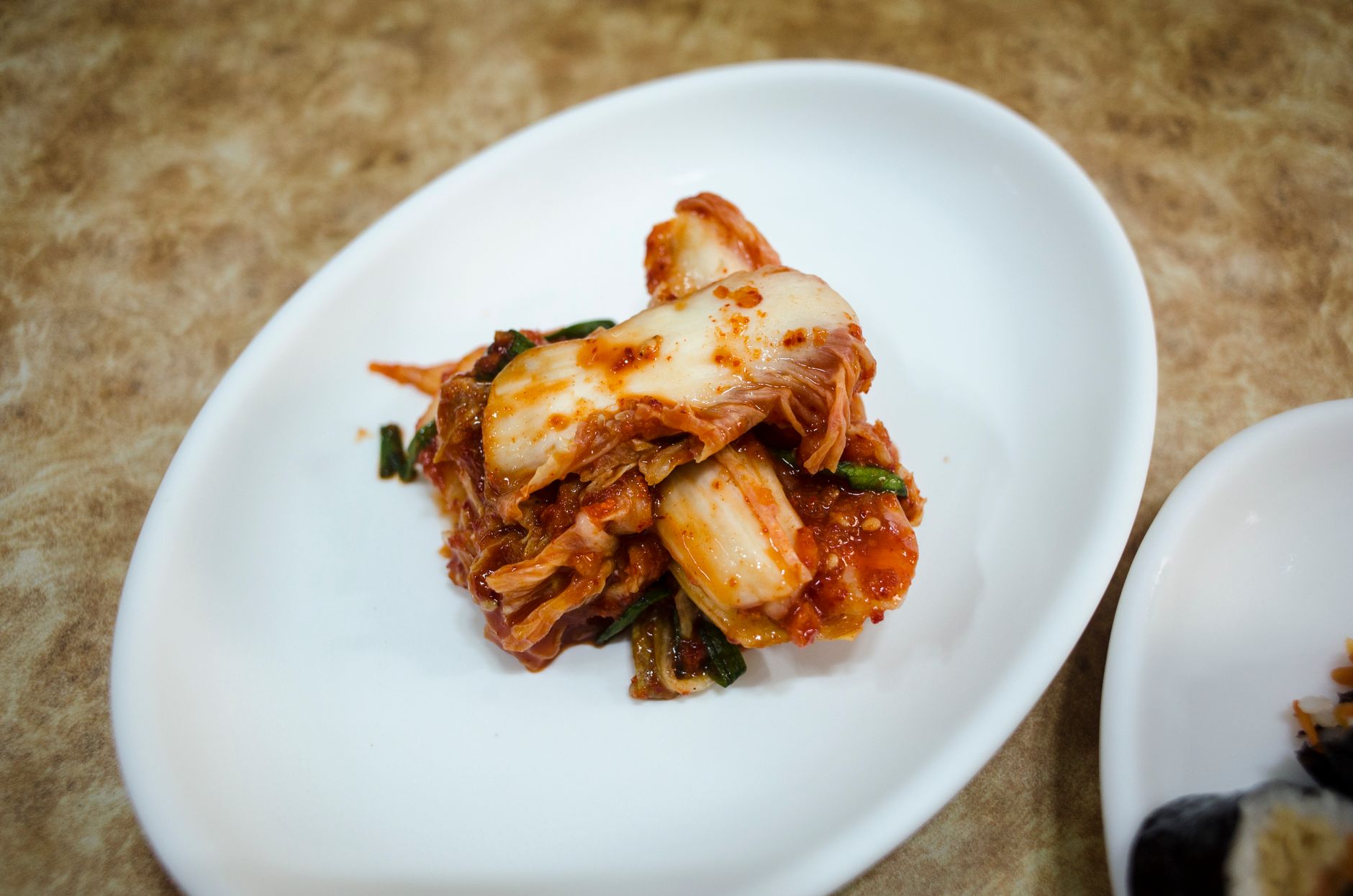
Kimchi, a beloved staple of Korean cuisine, is known for its vibrant flavors and numerous health benefits. This fermented dish is made primarily from vegetables, most commonly napa cabbage and radishes, along with a rich blend of seasonings. Understanding its origins not only enriches our culinary knowledge but also connects us to its cultural significance.
In this comprehensive exploration, we will examine the history of kimchi, its cultural roots, and its evolution over time. We will also discuss different types of kimchi, its various uses in cooking, and practical ways to incorporate this flavorful ingredient into your meals.
Where Did Kimchi Originate?
Kimchi originated in Korea over two thousand years ago. It began as a method for preserving vegetables before the advent of refrigeration. As techniques and ingredients evolved, so did kimchi, leading to the myriad types we see today. It reflects not only a method of food preservation but also the agricultural practices, climate, and local tastes of Korea.
The Historical Background of Kimchi
The history of kimchi can be traced back to the Three Kingdoms period (57 BC – 668 AD). Initially, it was a simple mix of salted and fermented vegetables that served as a source of nutrition, especially during harsh winters when fresh produce was scarce. The first recorded recipes were quite different from the spicy version popular today.
Through the centuries, kimchi evolved with the introduction of new vegetables, spices, and fermentation techniques. With the arrival of chili pepper to Korea in the 16th century from the Americas, recipes transformed dramatically, leading to the fiery dishes most recognized today. The blend of garlic, ginger, and salted seafood further enhanced the taste, creating the complex flavors associated with traditional kimchi.
Cultural Significance of Kimchi
Kimchi is more than just a side dish in Korea; it plays a monumental role in the country’s culture. It is a symbol of Korean identity and pride. There are specific customs surrounding its preparation, notably the “Kimjang,” which is the traditional process of making and storing kimchi for the winter months. This communal activity fosters a sense of community and continuity among families.
In 2013, UNESCO recognized “Kimjang” as an Intangible Cultural Heritage of Humanity due to its importance in Korean culture and its impact on local customs and family recipes.
Types of Kimchi
There are over 200 varieties of kimchi, each with unique ingredients and methods of preparation. Here are some common types:
- Baechu Kimchi: The most popular type, made with napa cabbage, garlic, ginger, and chili pepper.
- Radish Kimchi (Kkakdugi): A refreshing cubed radish kimchi that is crunchy and perfect for serving alongside other dishes.
- Oisobagi: A cucumber kimchi that is often made for warmer months, featuring a fresh, crisp texture.
- Nabak Kimchi: A watery, mild kimchi made from napa cabbage and radish, typically enjoyed in soup form.
- Chonggak Kimchi: This includes young radishes that are often fermented whole and serve a crunchy and slightly less spicy flavor.
Health Benefits of Kimchi
Kimchi is not only delicious; it is also packed with health benefits. Rich in vitamins A, B, and C, it serves as a low-calorie source of nutrients. The fermentation process produces probiotics, which aid digestion and promote gut health. Regular consumption of kimchi may help boost the immune system and even assist in weight management due to its low-calorie yet filling nature.
Cooking with Kimchi
Incorporating kimchi into your meals can elevate flavors and enhance the overall dining experience. Beyond serving it as a condiment, kimchi can be used in various dishes:
- Kimchi Fried Rice: A quick and satisfying dish that combines day-old rice, kimchi, and vegetables. It’s a flavorful way to use leftovers.
- Kimchi Stew (Kimchi Jjigae): This hearty stew includes tofu, pork, scallions, and plenty of kimchi for a comforting meal.
- Kimchi Pancakes (Kimchi Jeon): A crispy, savory pancake that makes for a delightful snack or appetizer.
- Sandwiches and Wraps: Adding kimchi to sandwiches or wraps can provide a tangy crunch and depth of flavor.
How to Make Kimchi at Home
Making kimchi at home can be a rewarding experience. Below is a basic recipe for Baechu Kimchi:
Ingredients:
- 1 large napa cabbage
- 1/2 cup sea salt
- 4 cups water
- 1 tablespoon grated ginger
- 1 tablespoon minced garlic
- 1/4 cup Korean red pepper flakes (gochugaru)
- 2 tablespoons fish sauce (or soy sauce for a vegetarian version)
- 2 green onions, chopped
- 1 grated carrot (optional)
Essential Equipment:
- Large mixing bowl
- Cutting board
- Knife
- Glass jar or fermentation container
Step-by-Step Method:
- Begin by cutting the napa cabbage into quarters and removing the core. Rinse the cabbage under cold water.
- In a large bowl, dissolve the sea salt in the water. Submerge the cabbage in the saltwater, ensuring it is fully immersed. Let it sit for 2-3 hours, flipping occasionally.
- After brining, rinse the cabbage thoroughly under cold water to remove excess salt. Drain and set aside.
- In a separate bowl, combine the grated ginger, minced garlic, Korean red pepper flakes, and fish sauce to create the kimchi paste.
- Add the chopped green onions and grated carrot to the spice mix, and blend everything well until it forms a paste.
- Using your hands (wear gloves to avoid irritation), evenly spread the kimchi paste between the cabbage leaves, ensuring every leaf is coated.
- Once coated, place the cabbage into a clean glass jar or fermentation container, pressing down to remove air pockets. Leave about an inch of space at the top for expansion.
- Seal the container tightly and let it ferment at room temperature for 1-2 days. After this period, transfer it to the refrigerator to slow down fermentation.
- Enjoy your homemade kimchi within a few weeks for the best flavor.
Practical Tips for Making Kimchi
Here are some practical tips for successful kimchi-making:
- Use Quality Ingredients: Fresh, high-quality vegetables and spices will yield the best flavor. Avoid wilting or damaged vegetables.
- Adjust Spiciness: If you prefer less heat, reduce the amount of Korean red pepper flakes. Conversely, increase it for a spicier kick.
- Fermentation Time: Temperature influences fermentation. Warmer environments speed up fermentation, so adjust times accordingly. Taste periodically during fermentation.
- Hygiene is Key: Clean all equipment and containers thoroughly to avoid unwanted bacteria during fermentation.
Common Mistakes and Troubleshooting
Even though kimchi is forgiving, these are some common mistakes to avoid:
- Over-brining: Too much salt can overpower the flavors or create an unpalatable taste. Always rinse thoroughly after brining.
- Under-fermenting: Not allowing enough time for fermentation will result in a lack of depth and flavor. Be patient and observe how the flavors develop.
- Insufficient Mixing: Ensure that the kimchi paste is evenly distributed across all leaves for a consistent taste.
Storage and Shelf Life
Kimchi can be stored in the refrigerator for several months. The fermentation process continues, so flavors will deepen over time. While the taste may change, it can become even more delicious, and some people prefer it well-fermented. If you notice any odd odors or colors, it is best to err on the side of caution and discard it.
Kimchi in Contemporary Cuisine
In recent years, kimchi has transcended its traditional role and found a place in mainstream culinary settings. Chefs are incorporating kimchi into diverse dishes, from gourmet tacos and fusion sandwiches to upscale entrees. Its bold flavor profile brings an exciting twist and an element of gastronomy that continues to evolve.
Moreover, the growing trend of plant-based diets has led to kimchi becoming popular among vegetarians and vegans. Plant-based versions of kimchi made without fish sauce effectively cater to these dietary preferences without sacrificing flavor.
Conclusion and Next Steps
The journey of kimchi from its ancient roots to a modern culinary icon illustrates both the adaptability of food and its cultural importance. By understanding where kimchi originated and how to create it at home, you can take an active role in this flavorful tradition.
Ready to enhance your meals with kimchi? Explore our gochujang sauce recipe or try making ssamjang for more Korean-inspired flavors. There’s plenty more to discover in the world of Korean cuisine!