
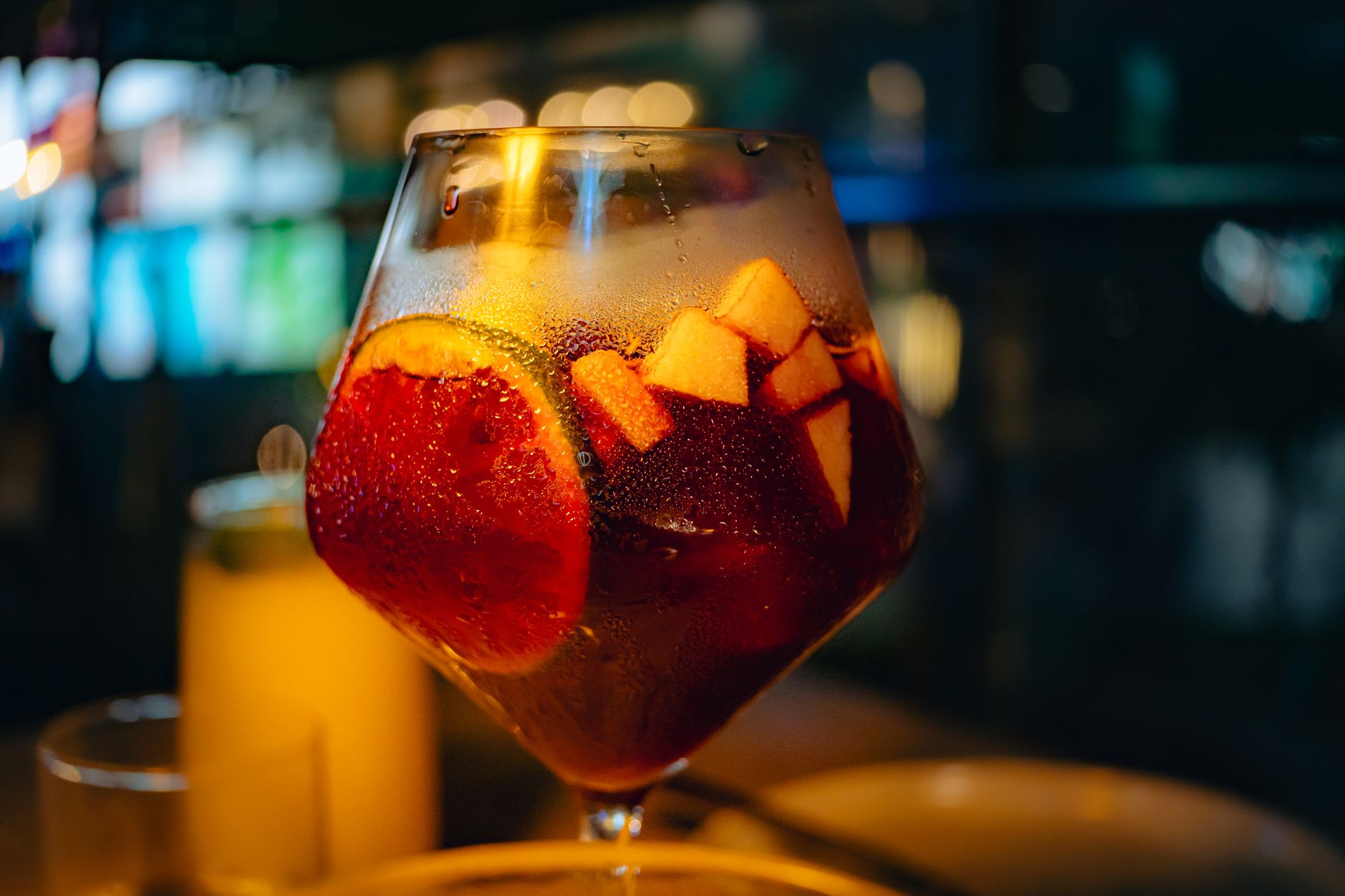
Sangria wine is a refreshing and fruity beverage originating from Spain, made by blending red or white wine with fresh fruits, sweeteners, and sometimes spirits. This vibrant drink is perfect for warm weather, gatherings, and celebrations, offering a delightful mix of flavors that can be tailored to suit individual tastes.
In this article, we will explore the key ingredients that make up sangria wine, its flavor profile, and its various culinary uses. Whether you’re planning a summer party or simply want to enjoy a glass at home, this guide will provide you with everything you need to know about this popular drink.
What Is Sangria Wine?
Sangria is a wine-based cocktail, traditionally made with Spanish red wine, although variations with white wine, rosé, and even sparkling wine are common. It is often infused with a variety of fruits such as oranges, lemons, apples, and berries, along with sweeteners and additional flavors like brandy or orange liqueur.
Its name comes from the Spanish word “sangre,” which means blood, referring to the deep red color of the drink when made with red wine. Sangria is typically served chilled and garnished with fresh fruit slices, making it an attractive and delicious option for hot days.
Key Ingredients in Sangria Wine
The beauty of sangria lies in its versatility. While classic recipes include certain core ingredients, feel free to adjust based on your preferences, seasonal availability, or dietary needs. Here is a breakdown of the primary ingredients used in making sangria wine:
- Wine: The base of any sangria is the wine itself. Red wines like Tempranillo or Garnacha are common choices for traditional recipes, while white wines like Sauvignon Blanc or Pinot Grigio work well for lighter versions.
- Fruits: Fresh fruits not only add vibrant colors but also infuse the sangria with natural sweetness and flavor. Common choices include oranges, lemons, limes, apples, strawberries, and peaches.
- Sweeteners: To balance the acidity of the wine, sweeteners such as sugar, honey, or agave syrup can be added. Alternatively, fruit juices can serve as natural sweeteners.
- Spirits: Many sangria recipes include liquor such as brandy, orange liqueur (like Cointreau), or even vodka to enhance the flavor profile.
- Spices and herbs: Cinnamon sticks, mint leaves, or even a splash of vanilla can add depth to the drink’s flavor.
- Soda or sparkling water: Adding soda or sparkling water just before serving creates a fizzy, refreshing effect, perfect for summer sipping.
Choosing the Right Wine for Sangria
The choice of wine plays a crucial role in determining the overall taste of your sangria. Here’s a closer look at how to select the best wine for your beverage:
Red Wine Choices
When opting for red wine sangria, look for fruity, medium-bodied wines. Some popular options include:
- Tempranillo: This Spanish wine offers a nice balance of acidity and fruitiness, making it a classic choice.
- Garnacha: Another Spanish varietal, Garnacha is fruity and soft, providing a pleasant backdrop for the fruits you add.
- Merlot: This smooth option is widely available and its subtle fruit notes complement the other ingredients.
- Cabernet Sauvignon: For those who prefer a bolder flavor, Cabernet Sauvignon works well, but avoid wines that are overly tannic.
White Wine Choices
If you prefer a white sangria, consider these wines that add crispness and freshness:
- Sauvignon Blanc: This bright, aromatic wine adds lovely acidity and pairs beautifully with citrus fruits.
- Pinot Grigio: A light and zesty wine, Pinot Grigio complements fruit flavors without overpowering them.
- Riesling: If you prefer sweeter sangria, a Riesling can be a delightful pick, enhancing the fruity elements.
Tips for Selecting Wine
When choosing your wine, consider the following tips:
- Choose a wine that you enjoy drinking on its own, as the flavors will influence the sangria.
- Avoid expensive wines; a moderately priced bottle is ideal for mixing in cocktails.
- Look for wines labeled as “fruit-forward” or “easy-drinking” for the best results.
How to Make Sangria Wine
While sangria can vary widely, creating it follows some general principles. Below is a basic recipe for making classic red sangria. This method includes preparation steps and variations for tailoring the drink to your liking.
Ingredients
- 1 bottle of red wine (750ml), preferably Tempranillo or Garnacha
- 1 orange, sliced
- 1 lemon, sliced
- 1 lime, sliced
- 1 apple, cored and diced
- 1/4 cup sugar (more to taste)
- 1/4 cup brandy or orange liqueur
- 2 cups soda water or lemon-lime soda
- Ice cubes
- Optional: a few sprigs of fresh mint or a cinnamon stick
Equipment Needed
- Large pitcher or bowl
- Measuring cups and spoons
- Wooden spoon for stirring
- Cutting board and knife
- Glasses for serving
Instructions
- In a large pitcher or bowl, combine the sliced oranges, lemons, limes, and diced apple. Muddling the fruits slightly will release their juices.
- Add the sugar and brandy (or orange liqueur) to the fruit mixture. Stir well to dissolve the sugar.
- Pour in the bottle of red wine and mix everything together gently.
- Refrigerate the sangria for at least 2 hours, allowing the flavors to meld. For the best taste, let it sit overnight.
- Just before serving, add the soda water or lemon-lime soda and stir gently. Adjust sweetness if necessary by adding more sugar.
- Serve over ice in glasses and garnish with additional fruit slices or mint leaves, if desired.
Tasting Notes: What Does Sangria Wine Taste Like?
The taste of sangria wine can vary greatly depending on the specific ingredients used. However, the fundamental attributes include:
- Sweetness: Sangria usually has a complement of sweetness from the added sugars and fruits. The level can be adjusted to preference.
- Fruitiness: The fresh fruits contribute to the overall flavor, often dominating the palate with zesty and juicy notes.
- Acidity: The acidity from the wine and citrus fruits provides a bright lift that balances the sweetness.
- Herbal and Spicy Notes: If herbs or spices are added, they can provide aromatic complexity, enhancing the drink.
Culinary Uses of Sangria Wine
Beyond being a delightful drink, sangria can also be used in various culinary applications! Here are some creative ideas:
Food Pairings
Sangria pairs wonderfully with various dishes, enriching meals with its fresh and fruity profile.
- Tapas: Typical Spanish snacks like olives, cheese, and chorizo complement sangria perfectly.
- Grilled meats: The fruity and acidic notes of sangria cut through the richness of grilled chicken, pork, or steak.
- Seafood: Light seafood dishes, such as shrimp ceviche or grilled fish, find harmony with sangria.
- Salads: Fresh salads with citrus dressings echo the flavors of the sangria, allowing for a refreshing balance.
Cooking with Sangria
Sangria can also be incorporated into recipes for cooking, adding depth and flavor, such as:
- Marinades: Use sangria as a marinade for meats to infuse flavor and tenderness.
- Syrups and sauces: Reduce sangria for a sweet, fruity sauce that can drizzle on desserts or savory dishes.
- Fruit salads: Incorporate sangria into fruit salads for a spirited twist, enhancing the dish with flavor.
Variations of Sangria
While the classic red sangria is beloved, there are numerous variations to explore depending on your taste preferences. Here are a few popular options:
White Sangria
This refreshing version substitutes red wine for white wine and can include various fruits like peaches and berries. You can use sparkling water for an effervescent touch.
Fruit-Infused Sangria
Experiment with different fruit combinations. Seasonal fruits, such as berries in summer or apples and pears in fall, can provide unique flavors and colors.
Sangria Rosé
Using rosé wine offers a beautiful color and a lighter taste. This variation works well with summer fruits like watermelon, strawberries, and mint.
Non-Alcoholic Sangria
For a family-friendly version, swap out the wine for grape juice or sparkling water and use the same fruit and flavor elements for a refreshing mocktail.
Common Mistakes to Avoid When Making Sangria
While making sangria is straightforward, there are common pitfalls to watch for:
- Using overly sweet wines can result in a cloyingly sweet sangria. Opt for dry to semi-dry wines for better flavor balance.
- Adding fruit too early may lead to mushy textures. Wait until just before serving to add delicate fruits.
- Forgetting to let the sangria chill can diminish the fruit flavors. Allow sufficient time for chilling so flavors meld cohesively.
- Overusing sugar can mask the wine’s natural flavors. Adjust sweetness gradually and taste as you go.
Serving and Storing Sangria
Proper serving and storage can enhance your sangria experience:
Serving Suggestions
Serve sangria in a large pitcher or bowl filled with ice. This not only keeps the drink cold but also allows guests to serve themselves, making it perfect for gatherings.
Storage Tips
Sangria is best enjoyed fresh, but it can be stored in the refrigerator for up to 3 days in an airtight container. Note that the flavors may change over time, and fruits may become mushy and less appealing.
Final Thoughts
Sangria wine is a versatile, vibrant, and flavorful drink that brings people together. Whether enjoyed on its own or paired with delicious meals, it offers an inviting taste of Spanish culture. With various recipes and endless customization options, it’s perfect for summer barbecues, cozy gatherings, or casual afternoons by the pool.
Take the next step and try making your own sangria at home, using the ingredients and techniques outlined in this guide. Interested in fun cocktails? Explore our pitcher margarita recipes like this margarita pitcher recipe or refreshing fruity options such as this blackberry margarita recipe.