
Salt and stone evoke distinct, elemental aromas that many associate with freshness, purity, and the great outdoors. While salt brings a sharp brininess and invigorating scent, stone often carries earthy, mineral notes. Understanding these aromas can deepen your appreciation for food and its preparation.
This article explores what salt and stone smell like and how these scents influence flavors in cooking and baking. While the subject may seem abstract, these sensory experiences are integral to many culinary traditions and ingredient selections.
What Does Salt and Stone Smell Like?
The smell of salt is bright and sharp, often described as clean and reminiscent of the ocean or sea breeze. It’s a scent that can awaken the senses and enhance the appetite. Stone, on the other hand, has an earthy, grounding aroma that varies depending on the type of stone—think of the scent of warm granite or damp clay.
Together, the combination of salt and stone can create an olfactory experience that transports one to coastal landscapes or rugged terrains. This amalgamation of aromas can heighten one’s sensory experience while cooking and eating.
The Role of Salt in Cooking
Salt is one of the most essential ingredients in cooking, not just for seasoning but also for enhancing flavors. Its blaring briny scent can elevate the aromas of other ingredients, making them more pronounced. When used in cooking, salt can alter the molecular structure of food, allowing it to retain moisture and flavors, creating a fuller sensory experience.
Types of Salt and Their Aromas
Different types of salt contribute unique aromas and flavors:
- Table Salt: This common salt has a straightforward, sharp scent. It often contains additives that may slightly influence its smell.
- Sea Salt: Gleaned from evaporated seawater, sea salt carries a more complex aroma. It often retains trace minerals that can evoke the smell of the ocean.
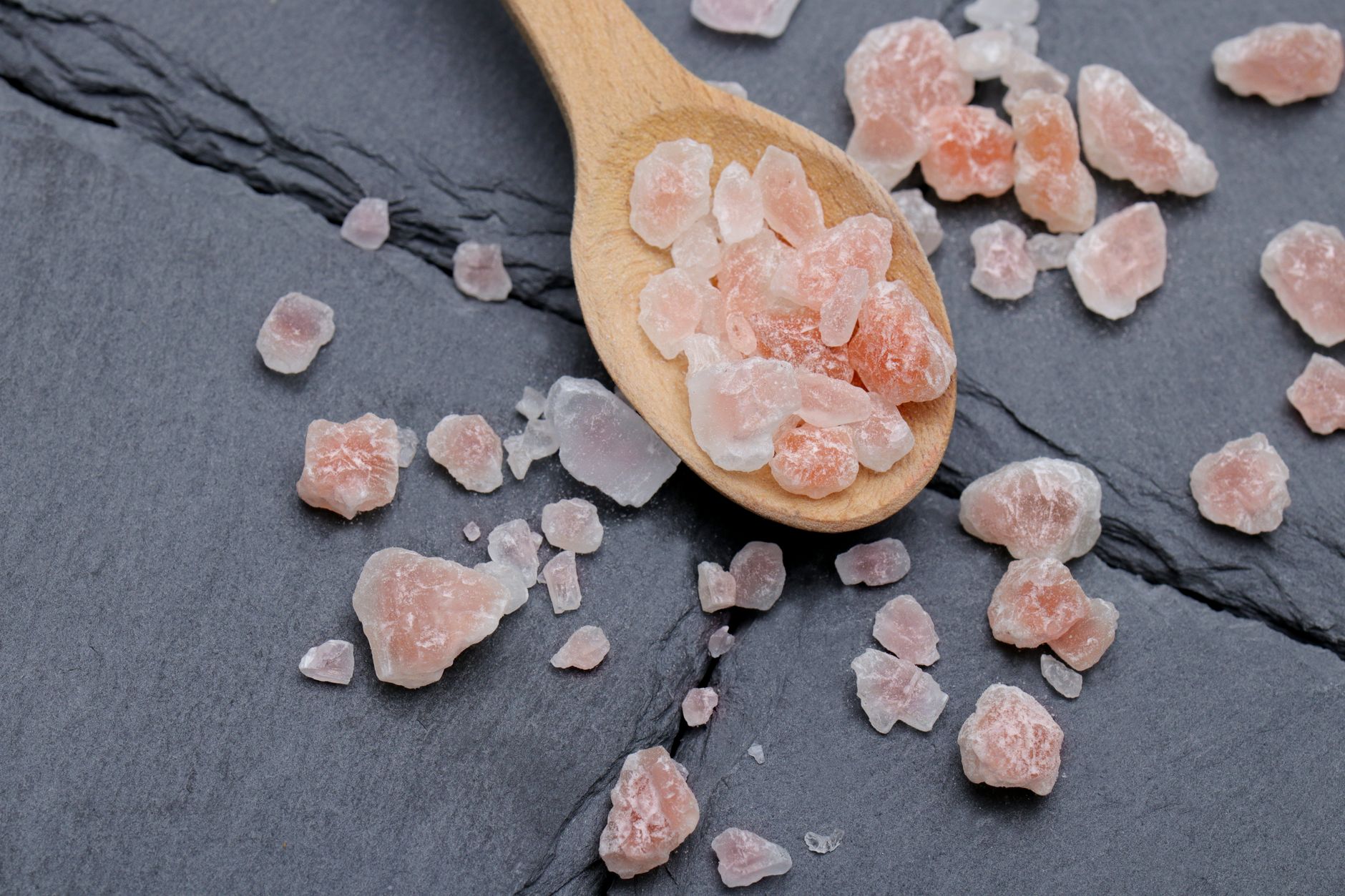
- Himalayan Pink Salt: Known for its vibrant color, Himalayan salt possesses a slightly sweeter, more nuanced aroma due to its mineral content.
- Fleur de Sel: This hand-harvested sea salt has delicate, floral notes blended with a clean briny aroma.
The Essence of Stone in Cooking
While stone might not be an ingredient in the traditional sense, its aroma can significantly influence the culinary landscape. Various stones are used in cooking, from baking stones to stoneware pots, each providing a unique earthy scent that enriches the food being prepared.
Types of Cooking Stones and Their Properties
A few examples of cooking stones include:
- Pizza Stone: Often made from ceramic or cordierite, a pizza stone absorbs moisture, resulting in a crispy crust. Its earthy aroma can enhance the smell of baked goods.
- Soapstone: Known for its heat retention, soapstone can be used for grilling. It carries a subtle earthiness that melds with the flavors of meats and vegetables.
- Salt Block: Cooking on a salt block infuses dishes with a hint of saltiness while imparting a mild, mineral aroma.
Cooking Techniques That Highlight Scent
Various cooking techniques can enhance the natural aroma of salt and stone in your dishes. Here are some methods to bring these scents to the forefront:
Grilling on Stone
Cooking meats or vegetables on stone surfaces can bring out the earthy aroma of the stone while allowing flavors to develop intensely. Stones can absorb moisture and retain heat, creating a unique flavor profile.
Seasoning with Salt
Employing salt at various stages—like during brining, seasoning before cooking, or garnishing just before serving—can intensify the taste and aroma of your dish.
Using Salt Blocks
Prepare dishes directly on a salt block to infuse them with subtle saltiness. The slight mineral notes from the block enrich the overall flavor while providing a unique texture.
Common Signs of Spoilage in Salt and Stone-Based Ingredients
Understanding the signs of spoilage is crucial when working with ingredients that incorporate salt and stone. Spoilage can alter not only the taste but also the aroma of your food.
Signs of Spoilage in Salt
- Clumping: While salt can clump due to moisture, excessive clumping or discoloration may indicate spoilage.
- Off-smells: Fresh salt should have a clean, briny scent. Any musty or chemical odors may signal contamination.
Signs of Spoilage in Stone Products
- Cracks or Chips: For stones that undergo high heat, such as pizza stones, visible damage may compromise their integrity and performance.
- Strange Odors: If a stone dulls or shows signs of staining, it may develop atypical smells that indicate it has absorbed unwanted flavors.
How to Properly Store Salt and Stone Cooking Tools
Storing ingredients and utensils properly extends their life and maintains their aroma. Here are tips for the best storage practices:
Storage of Salt
- Keep in an airtight container to prevent moisture exposure and clumping.
- Store in a cool, dry place to reduce the chances of spoilage.
Storage of Cooking Stones
- Allow stones to cool completely before storing to prevent thermal shock and cracking.
- Keep in a dry cabinet or shelf, away from direct sunlight, to maintain their condition.
Substituting for Salt and Exploring Alternatives
In the quest for flavor enhancement, there are alternatives to traditional salt. Understanding these can open new avenues in flavor exploration:
Common Salt Substitutes
- Kosher Salt: Larger grains make for less concentrated salinity; consider adjusting your measurements accordingly.
- Herb-infused Salts: Blending salt with herbs can provide a more complex aroma, reducing the need for excessive amounts.
- Seaweed Powders: Rich in umami, these can enhance flavor while adding a unique aroma.
Benefits and Considerations
When substituting for salt, consider the impact on flavor and aroma. Some substitutes may possess strong aromatic characteristics that either enhance or overwhelm your dish. Taste-testing and gradual incorporation are essential to avoid overpowering other flavors.
Practical Tips for Enhancing Aroma in Cooking
To maximize the scents of salt and stone in your cooking, employ a few practical strategies:
Layering Flavors
Introduce salt at multiple stages of cooking to build depth in flavor while enhancing the smells. Start with a pinch while sautéing, followed by a light finishing salt just before serving.
Utilizing Aromatic Ingredients
Incorporate ingredients such as garlic, herbs, and spices that complement the natural aromas of salt and stone. These additional scents can create a more complex fragrance profile.
Recipes to Highlight Salt and Stone Aromas
Consider preparing dishes that utilize the scents of salt and stone to enhance flavor. Here are a few suggestions:
Salt-Crusted Fish
This dish keeps the fish moist while infusing it with a concentrated briny aroma.
- Preheat your oven to 400°F (200°C).
- Mix together equal parts salt and egg whites to create a paste.
- Coat the fish with the salt mix and place it on a baking sheet.
- Bake for about 30 minutes until the fish is flaky and the salt crust is hard.
- Crack the crust open and serve immediately for a dish that smells as good as it tastes.
Grilled Vegetables on a Salt Block
This method uses the mild flavor and aroma of the salt block to enhance vegetables.
- Heat a salt block on the grill for 15 minutes.
- Slice your favorite vegetables and toss them with olive oil and herbs.
- Place the vegetables directly on the heated salt block.
- Grill for approximately 5-10 minutes, turning until tender, keeping an eye on them to avoid burning.
- Serve hot, allowing the aromas from the veggies and stone to mingle.
Common Mistakes While Using Salt and Cooking Stones
To avoid mishaps while cooking, consider these common pitfalls:
Overseasoning
Using too much salt can overpower a dish’s flavor. Start with small amounts and adjust as needed.
Failing to Preheat Cooking Stones
For optimal flavor, always preheat cooking stones before use. This ensures even cooking and maximizes flavor infusion.
Storage Tips for Homemade Salt-Based Ingredients
If you’re experimenting with homemade salt blends or preserving vegetables in salt, proper storage is key. Store in glass jars with airtight seals to prolong freshness and prevent moisture ingress.
Conclusion
Understanding the intricate aromas of salt and stone can enhance your culinary adventures. By embracing these scents, you can elevate both your cooking and flavoring techniques. Experiment with different salts and stones, and incorporate them thoughtfully into your dishes for delightful results.
Feel free to explore related recipes or tips like salt potatoes recipe or find the perfect saltine cracker recipe to continue your culinary journey.