
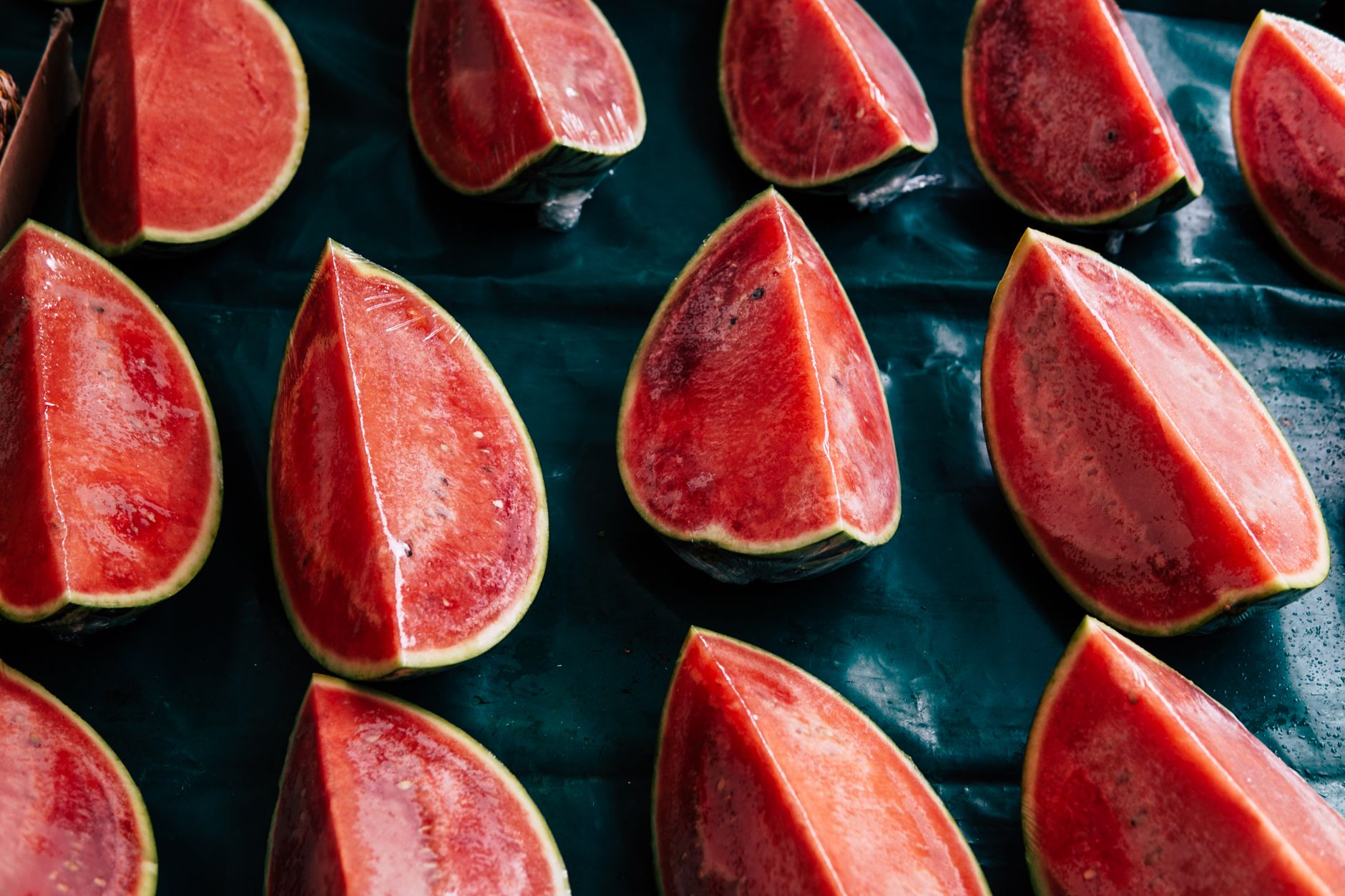
Watermelon is a quintessential summertime treat, known for its refreshing taste and high water content. With its vibrant color and sweet, juicy texture, it’s a favorite among many households. However, some people may wonder, is watermelon fattening? This article delves into the nutritional profile of watermelon, its health benefits, and how to incorporate it into your diet without worry.
We will explore whether watermelon can contribute to weight gain, shed light on its various uses, and share creative serving ideas. Read on for a comprehensive look at watermelon and how to enjoy it guilt-free.
Is Watermelon Fattening?
Watermelon is not considered fattening when consumed in moderation. It is a low-calorie fruit, with about 30 calories per 100 grams. The high water content (about 92%) keeps it hydrating and filling, while the natural sugars provide a quick energy boost. Eating watermelon as part of a balanced diet can actually help in maintaining healthy weight rather than gaining it.
Nutritional Profile of Watermelon
Watermelon is made up mostly of water but also contains various essential nutrients. Here’s a breakdown of its nutritional composition per 100 grams:
- Calories: 30
- Water: 92%
- Proteins: 0.6 grams
- Fats: 0.2 grams
- Carbohydrates: 7.6 grams
- Fiber: 0.4 grams
- Sugar: 6.2 grams
- Vitamin C: 8.1 mg (10% of the Daily Value)
- Vitamin A: 28 µg (3% of the Daily Value)
- Potassium: 112 mg (2% of the Daily Value)
With its low calorie and fat content, watermelon can fit nicely into a healthy diet.
Common Misconceptions About Watermelon
Despite its sweetness, watermelon often gets a bad reputation regarding weight management. Here are some common misconceptions:
- High Sugar Content: While watermelon does contain sugar, it is primarily in the form of natural sugars, which are less harmful than added sugars.
- Only for Hot Weather: While watermelon is refreshing in summer, its hydrating properties make it beneficial year-round.
- Can’t be Part of a Weight Loss Plan: Watermelon can provide satisfying volume in meals without adding significant calories.
Health Benefits of Watermelon
Watermelon offers a range of health benefits beyond its refreshing taste. Some of the standout advantages include:
Hydration
With a water content of about 92%, watermelon helps keep you hydrated and can contribute to your daily fluid intake. Staying hydrated is essential for overall health and can help control hunger levels.
Low in Calories
Watermelon’s low-calorie profile makes it a great option for snacking or dessert. It allows for larger serving sizes compared to more calorie-dense options.
Nutrient-Rich
Watermelon is packed with vitamins and minerals, particularly vitamin C and A, which support immune function and skin health. It also contains antioxidants like lycopene, known for its potential health benefits, including heart health.
Aids Digestion
The dietary fiber in watermelon, albeit low, can help promote healthy digestion. Additionally, its high water content aids in preventing constipation by keeping the digestive system hydrated.
Supports Heart Health
The antioxidants in watermelon, particularly lycopene, may help reduce the risk of heart disease by lowering cholesterol levels and blood pressure.
How to Incorporate Watermelon Into Your Diet
Now that we’ve established watermelon is not fattening, let’s explore how to include it in a balanced diet:
As a Snack
Watermelon makes for a delightful snack on its own. Simply slice it into wedges or cubes for a quick, refreshing treat.
In Salads
Watermelon can add a sweet and juicy dimension to salads. Try mixing it with spinach, feta cheese, and a light vinaigrette for a refreshing summer salad.
In Smoothies
Add watermelon to smoothies for a hydrating, naturally sweet base. Combine it with spinach, banana, and yogurt for a nutritious breakfast option.
As a Dessert
Consider watermelon sorbet or popsicles for a healthy dessert. Puree watermelon, freeze it, and enjoy a naturally sweet treat without added sugars.
Grilled Watermelon
Grilling enhances watermelon’s sweetness and adds a unique flavor. Simply slice into thick wedges, grill for a few minutes on each side, and serve with a sprinkle of salt or a drizzle of balsamic reduction.
Watermelon Recipes to Try
Here are some simple and delicious ways to enjoy watermelon as part of your meals:
Watermelon Salad with Feta
- 4 cups watermelon, cubed
- 1 cup feta cheese, crumbled
- 1/4 cup fresh mint, chopped
- Juice of 1 lime
- Salt and pepper to taste
- In a large bowl, combine cubed watermelon, crumbled feta, and chopped mint.
- Squeeze lime juice over the top, and season with salt and pepper.
- Toss gently and serve immediately.
Watermelon Smoothie
- 2 cups watermelon, diced
- 1 banana
- 1/2 cup yogurt (plain or Greek)
- 1 tablespoon honey (optional)
- Ice cubes
- Place watermelon, banana, yogurt, honey, and ice cubes in a blender.
- Blend until smooth and creamy.
- Pour into glasses and enjoy immediately.
Serving Suggestions
Watermelon can be enjoyed solo or paired with other foods for a more filling option. Here are some serving ideas:
- Pair watermelon with protein-rich foods like cheese or yogurt to balance blood sugar levels.
- Combine with other fruits such as berries, oranges, and kiwi for a colorful fruit salad.
- Top a whole-grain toast with watermelon and ricotta for a quick breakfast or snack.
Storing Watermelon
To enjoy watermelon at its best, proper storage is key. Here are some tips:
- Store whole watermelon at room temperature for up to a week. Once cut, refrigerate it in an airtight container.
- For maximum freshness, consume cut watermelon within 3-5 days.
- You can also freeze watermelon for later use; keep in mind that it will lose some texture upon thawing.
Common Mistakes When Using Watermelon
While using watermelon, there are a few common missteps to avoid:
- Choosing an underripe watermelon: Select one that feels heavy for its size and has a uniform shape.
- Improper cutting: Cut watermelon into wedges or cubes for easier serving and to make it more appealing.
- Not keeping it chilled: To maximize its refreshing quality, always serve watermelon cold.
Conclusion
Watermelon is far from fattening and offers a host of nutritional benefits. Incorporating it into your diet can satisfy your sweet tooth while keeping your calorie intake in check. Enjoy it freshly cut, in salads, smoothies, or as a dessert to reap its health benefits.
Explore more delicious ideas with watermelon in your meals by checking how to freeze watermelon for future use or try this chia pudding recipe with coconut milk for a nutritious dessert option.