
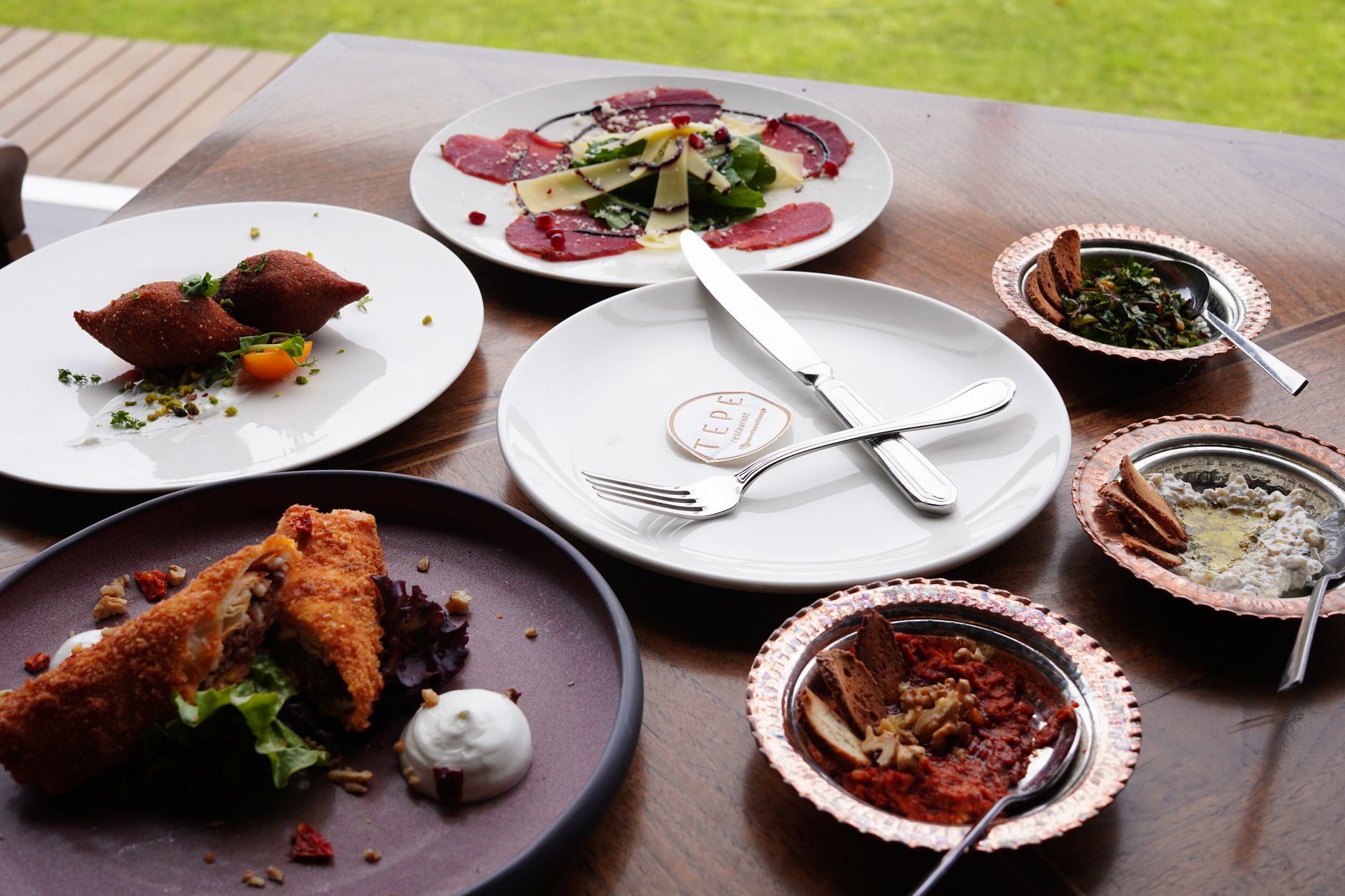
Turkish cuisine is a delightful amalgamation of flavors and culinary traditions influenced by various cultures across its rich history. Many food enthusiasts ponder whether Turkish food falls under the umbrella of Mediterranean cuisine due to its geographical location and shared ingredients with neighboring countries.
This article explores the nuances of Turkish food, examining its Mediterranean connections while also highlighting unique characteristics that make it a distinctive cuisine in its own right. Whether you’re looking to understand more about the delicious dishes or are interested in cooking some Turkish cuisine yourself, this guide will provide you with all the essential information.
Is Turkish Food Mediterranean?
Turkish food can be classified as a Mediterranean cuisine, incorporating a variety of ingredients and cooking methods that are common in Mediterranean countries. However, it also stands out due to its unique cultural and historical influences. Turkish cuisine features a wide range of grains, vegetables, fruits, and lean meats, along with liberal use of olive oil, all hallmarks of Mediterranean cooking.
The Essence of Turkish Cuisine
Turkish cuisine is a fusion of various culinary traditions influenced by the Ottoman Empire, Central Asian nomadic tribes, and Mediterranean neighbors. It showcases a blend of flavors ranging from savory to sweet. Key ingredients include:
- Olive oil
- Tomatoes
- Eggplants
- Pulses (such as lentils and chickpeas)
- Rice and bulgur
- Various herbs and spices, including mint, thyme, cumin, and sumac
- Meat, primarily lamb and chicken
- Yogurt
- Bread, particularly flatbreads like lavash and pita
These core elements mirror many other Mediterranean diets but are often prepared in ways that reflect Turkish culinary traditions.
Common Dishes of Turkish Cuisine
To better understand how Turkish food incorporates Mediterranean elements, let’s look at some of the quintessential dishes that define the cuisine.
Kebabs
Turkish kebabs, such as Adana and shish kebabs, are grilled meats that are marinated in a mixture of olive oil, spices, and sometimes yogurt. These dishes resemble those found across the Mediterranean, adapting local flavors and ingredients.
Pide and Lahmacun
Often described as Turkish pizza, pide and lahmacun consist of a thin crust topped with various ingredients. Pide usually includes cheese and meat, while lahmacun is topped with a spiced meat mixture, often including parsley and tomatoes.
Dolma
This dish features vegetables such as grape leaves or peppers stuffed with a mixture of rice, spices, and sometimes meat. Dolma is a common staple not only in Turkey but throughout the Mediterranean region.
Börek
Börek is a savory pastry that typically consists of layers of thin dough filled with cheese, spinach, or minced meat. This versatile dish can be found in various Mediterranean cuisines, often customized to local tastes.
Manti
These small dumplings filled with spiced meat are akin to Italian tortellini or Chinese dumplings but prepared with distinct Turkish flavors.
Cooking Techniques in Turkish Cuisine
Turkish cooking employs a variety of techniques that both align with and distinguish it from other Mediterranean cooking practices. Here are some notable methods:
- Grilling: Commonly used for meats, grilling adds depth to the flavors of kebabs and fish.
- Braising: This technique is often applied in dishes such as güveç, a slow-cooked stew that blends flavors beautifully.
- Stuffing: Using vegetables and pastries, the art of stuffing can be seen in dolma and börek preparations.
- Sautéing: Base ingredients like onions and garlic are usually sautéed in olive oil to build the foundation of many dishes.
Ingredients in Turkish and Mediterranean Cooking
Understanding the common ingredients used in both Turkish and Mediterranean cuisines can facilitate meal planning and inspire creativity in your cooking. Let’s explore some essential ingredients:
Olive Oil
Olive oil is a cornerstone of Turkish cooking, similar to other Mediterranean cuisines. It is used for dressing salads, sautéing vegetables, and drizzling over dishes before serving. When selecting olive oil, look for high-quality extra virgin varieties for the best flavor and health benefits.
Vegetables
Both cuisines make liberal use of fresh vegetables. Tomatoes, eggplants, peppers, and cucumbers are staples. Turkish cuisine often utilizes these vegetables in salads, stews, and grilled preparations.
Spices and Herbs
Common spices such as sumac, paprika, and cumin are prevalent in Turkish cooking. Fresh herbs like parsley, dill, and mint are used to enhance flavors in salads and meat dishes, similar to their use in Mediterranean dishes.
Rice and Grains
Rice is a staple in Turkish meals, often served alongside kebabs or incorporated into pilafs. Bulgur, another grain, is frequently used in salads like kisir, blending harmoniously with Mediterranean meals.
When preparing a Turkish dish, consider substituting other grains or rice varieties in Mediterranean recipes for a fusion twist. Quinoa or farro can mimic bulgur’s texture while providing a unique flavor profile.
Substituting Ingredients
When cooking Turkish dishes or Mediterranean food, there may be occasions when substitutions are necessary. Here are some common substitutions to consider:
- Rice: If you don’t have short-grain rice, long-grain or basmati rice can be used, but adjust the cooking time and liquid accordingly.
- Bulgur: You can use quinoa or couscous if bulgur is unavailable, keeping in mind that cooking times will vary.
- Yogurt: For a dairy-free option, coconut yogurt can serve as a good alternative, though flavors will differ slightly.
- Olive Oil: If you’re out of olive oil, avocado oil or canola oil can be adequate substitutes in most cooking scenarios.
Each substitution may change the final dish’s flavor or texture, so it’s helpful to consider what aspects of the dish you want to preserve or enhance.
Serving Suggestions
Turkish meals are known for their variety and communal style. Here are some tips on how to serve Turkish dishes:
- Serve kebabs and grilled meats with fresh salads and flatbreads for a festive atmosphere.
- Accompany dishes with yogurt or garlic sauce to add richness and balance flavors.
- Include a selection of mezes, small plates of appetizers, to create an authentic dining experience.
- For dessert, offer traditional Turkish sweets like baklava or lokum (Turkish delight) alongside tea or coffee.
Common Mistakes to Avoid When Cooking Turkish Food
Here are some frequent pitfalls in preparing Turkish dishes, along with tips to avoid them:
- Overcooking vegetables: Turkish cuisine often highlights fresh vegetables; avoid overcooking them to retain their vibrant colors and nutritional value.
- Not seasoning adequately: Use spices and herbs generously; they are key to achieving authentic flavors.
- Using low-quality ingredients: Fresh, high-quality produce, meats, and spices make a significant difference in taste. Invest in quality where possible.
- Neglecting to marinate: For meats, marinating not only enhances flavor but also tenderizes the meat. Don’t skip this step for kebabs or other grilled dishes.
Storage and Meal Prep Tips
Storing and meal-prepping Turkish food can enhance efficiency and reduce food waste. Here are some practical storage tips:
- Leftovers: Store leftovers in airtight containers in the refrigerator to maintain freshness. Most dishes can last up to 3-4 days in the fridge.
- Freezing: Many Turkish dishes, like stuffed grape leaves or manti, can be frozen for later use. Ensure they are cooled, then wrap them securely before freezing.
- Meal prepping: Chop vegetables and marinate meats ahead of time to streamline cooking on busy days.
- Storing spices: Keep spices in an airtight container away from light and moisture to prolong their flavor.
Cultural Significance of Turkish Cuisine
Turkish food reflects the country’s rich cultural heritage and influences from the Ottoman Empire, the Middle East, and the Mediterranean. Sharing meals is a fundamental part of Turkish hospitality. Meals are often enjoyed with family and friends, highlighting the communal spirit ingrained in the culture.
Conclusion
Turkish cuisine firmly holds its place within the Mediterranean culinary landscape while also possessing distinctive attributes of its own. With an array of fresh ingredients, vibrant flavors, and communal traditions, Turkish food offers an enriching culinary experience. Whether you’re seasoning your dishes authentically or exploring substitutions, Turkish cuisine caters to diverse palates and preferences.
For those interested in diving deeper into Turkish culinary delights, consider checking out these related recipes: learn how to make stuffed grape leaves or discover the layers of flavor in moussaka.