
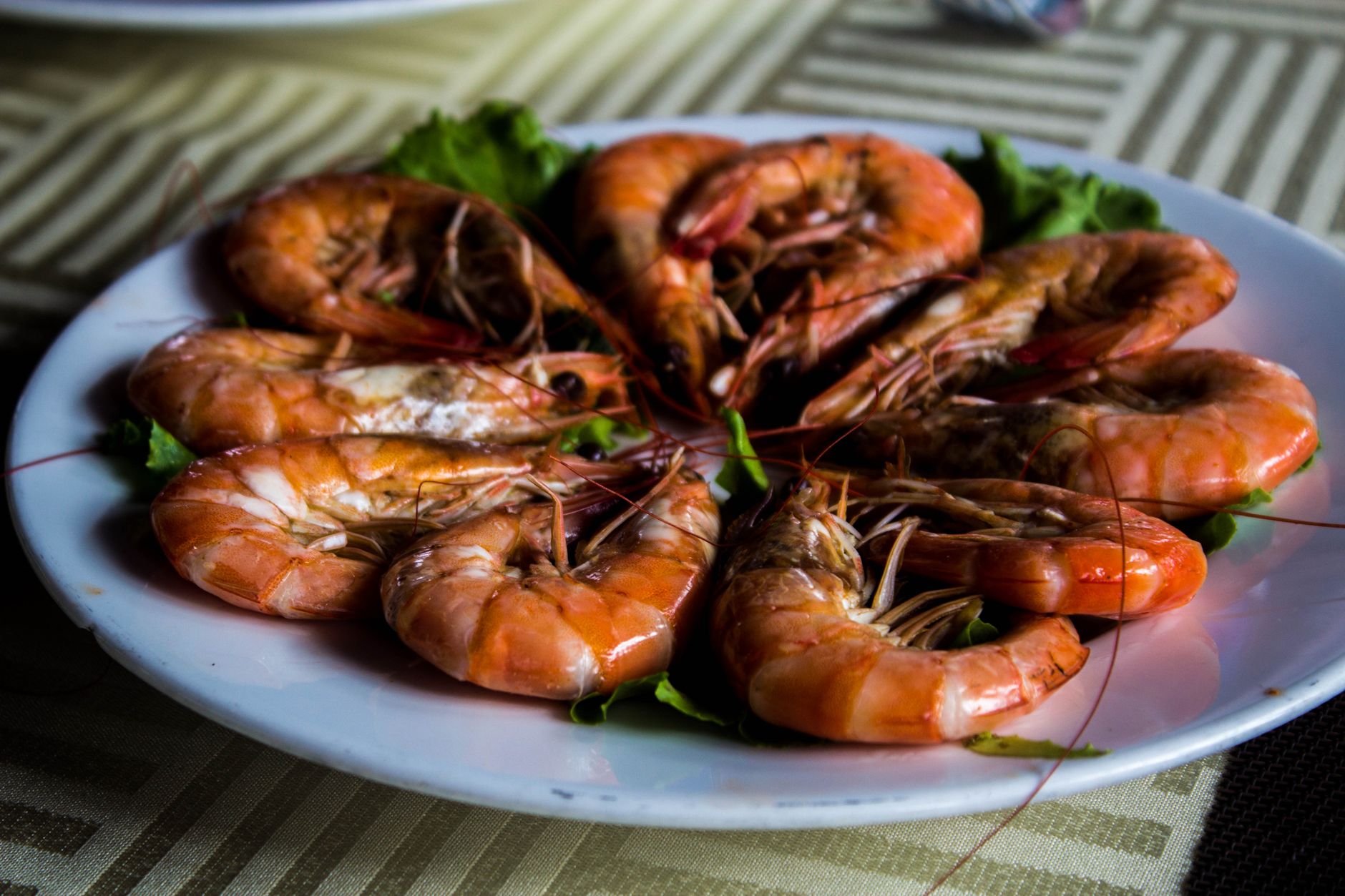
Shrimp is a popular seafood choice known for its versatility and delicious flavor. Many people enjoy adding shrimp to various dishes for its unique taste and health benefits. A common question arises among health-conscious consumers: is shrimp good protein? This article delves into shrimp’s protein content, nutritional value, health benefits, and best practices for incorporating it into your meals.
With a rich source of protein and a low-fat profile, shrimp stands out as a healthy option for those looking to increase their protein intake without excessive calories. Readers will discover not only why shrimp can be an excellent protein source but also how to prepare and serve it effectively.
Is Shrimp Good Protein?
Shrimp is an excellent source of protein, providing approximately 24 grams of protein per 3-ounce serving, along with essential nutrients, vitamins, and minerals. Its low-calorie count and high protein content make it an appealing choice for those looking to maintain a balanced diet.
Nutritional Profile of Shrimp
To fully appreciate why shrimp is considered a good protein source, it’s essential to understand its nutritional profile. Below is a breakdown of the nutritional content of a typical 3-ounce (approximately 85 grams) serving of cooked shrimp:
| Nutrient | Amount per 3 oz (85g) |
|---|---|
| Calories | 84 |
| Protein | 24 g |
| Total Fat | 0.9 g |
| Saturated Fat | 0.2 g |
| Cholesterol | 166 mg |
| Sodium | 405 mg |
| Carbohydrates | 0 g |
| Vitamin B12 | 1.5 mcg (25% DV) |
| Iron | 0.7 mg (4% DV) |
| Omega-3 Fatty Acids | 0.5 g |
Benefits of Eating Shrimp as a Protein Source
Shrimp offers several benefits that make it an attractive protein source:
- High-Quality Protein: Shrimp provides all nine essential amino acids, making it a complete protein, essential for muscle repair and growth.
- Low in Calories: With just 84 calories in a 3-ounce serving, shrimp allows individuals to enjoy protein without significantly impacting their calorie intake.
- Rich in Nutrients: Besides protein, shrimp is packed with essential nutrients, including vitamin B12, selenium, and iodine, important for various bodily functions.
- Heart Health: The omega-3 fatty acids in shrimp are known to support heart health by reducing inflammation and lowering blood pressure.
- Weight Management: High protein content helps increase satiety, making shrimp a valuable addition to a weight loss or management plan.
How to Choose Quality Shrimp
Selecting the right shrimp can enhance your cooking experience and ensure a delicious meal. Here are some tips for choosing high-quality shrimp:
- Freshness: When selecting fresh shrimp, look for a mild sea-like aroma. Avoid shrimp with a strong fishy smell.
- Appearance: Choose shrimp that are firm and slightly translucent. They should have a consistent color without discoloration.
- Shells: If buying shrimp with shells, ensure they are clean and intact. The shells should appear shiny and not dry or cracked.
- Origin: Opt for sustainably sourced or wild-caught shrimp to support responsible fishing practices.
How to Cook Shrimp
Cooking shrimp is simple and quick, making it an excellent option for busy weeknights. Here are some popular cooking methods:
Boiling
Boiling shrimp is one of the easiest ways to cook them. Follow these steps:
- Bring a large pot of salted water to a boil.
- Add the shrimp to the boiling water and cook for 2-3 minutes, or until they turn pink and opaque.
- Drain the shrimp and immediately place them in ice water to stop the cooking process.
- Serve chilled with cocktail sauce or as part of a salad.
Sautéing
Sautéing shrimp allows for quick cooking while adding flavor from spices and herbs. Here’s how to sauté shrimp:
- Heat a tablespoon of olive oil in a skillet over medium-high heat.
- Add minced garlic and sauté for 30 seconds until fragrant.
- Introduce the shrimp to the skillet and cook for 3-5 minutes, stirring frequently, until they turn pink.
- Season with salt, pepper, and fresh herbs before serving.
Grilling
Grilled shrimp can add a smoky flavor to your dishes. To grill shrimp:
- Preheat the grill to medium-high heat.
- Skewer the shrimp to prevent them from falling through the grill grates.
- Brush with olive oil and season with your favorite spices.
- Grill the shrimp for about 2-3 minutes per side, or until cooked through.
Popular Shrimp Dishes
Shrimp can be used in a variety of dishes, ranging from appetizers to main courses. Here are some popular shrimp recipes to consider:
- Creamy Coconut Shrimp: This dish features shrimp cooked in a decadent coconut milk sauce, perfect for serving with rice.
- Shrimp Curry: Enjoy a rich and spicy shrimp curry that pairs well with steamed rice or naan bread.
- Shrimp Tacos: Fill soft tortillas with seasoned shrimp, topped with cabbage slaw, avocado, and a zesty sauce.
- Shrimp Scampi: Toss shrimp in a garlic butter sauce and serve over pasta for a quick and elegant meal.
- Shrimp Fried Rice: Stir-fry shrimp with vegetables and rice for a fulfilling one-pan meal.
Common Mistakes When Cooking Shrimp
Even with its simplicity, several common mistakes can arise when cooking shrimp:
- Overcooking: Shrimp cooks quickly; overcooking can lead to a rubbery texture. Always monitor cooking time closely.
- Not Thawing Properly: If using frozen shrimp, thaw it in the refrigerator overnight rather than using warm water, which can cause uneven cooking.
- Skipping Seasoning: For the best flavor, always season shrimp before cooking. Experiment with spices and herbs to enhance taste.
Storage and Reheating Shrimp
Proper storage is essential for maintaining shrimp’s quality and safety:
- Refrigerating: Store cooked shrimp in an airtight container in the refrigerator for up to 3 days.
- Freezing: Uncooked shrimp can be stored in the freezer for up to 6 months. For cooked shrimp, use themwithin 2-3 months for the best quality.
- Reheating: When reheating shrimp, do so gently in a skillet over low heat or in the microwave to prevent overcooking.
Conclusion
Shrimp is undoubtedly a good protein source, rich in nutrients and low in calories, making it an excellent addition to a balanced diet. Its versatility allows it to shine in various dishes, from casual meals to gourmet creations. Consider incorporating shrimp into your weekly meal plans for an easy and delicious protein option.
Explore related recipes for more inspiration, including Creamy Coconut Shrimp and Shrimp Curry.