
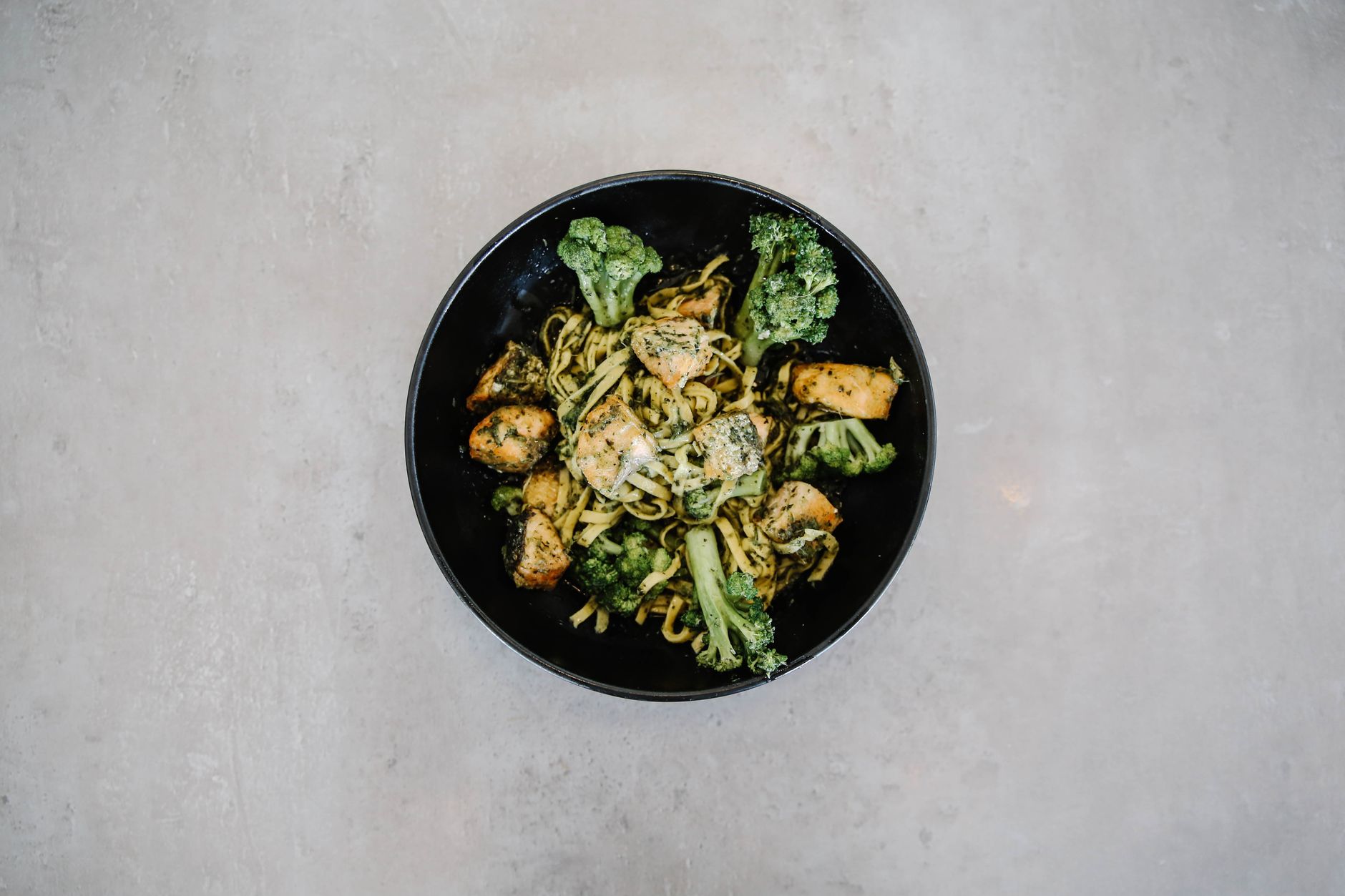
When following a gluten-free diet, many people turn to gluten-free pasta as a substitute for traditional wheat-based options. However, those looking to reduce their carbohydrate intake often wonder: is gluten-free pasta low carb? The answer isn’t straightforward, as it depends on the specific ingredients used in the pasta. This article will explore the carbohydrate content of popular gluten-free pasta alternatives, their ingredients, and some allergy notes to keep in mind.
Understanding the differences in carbohydrate content among gluten-free pasta options can help you make informed decisions that align with your dietary preferences or health goals. We’ll also include tips on using these pastas in meals and suggestions for those needing gluten-free alternatives.
Is Gluten Free Pasta Low Carb?
Gluten-free pasta is not inherently low in carbohydrates. Many gluten-free pasta options are made from rice, corn, or legumes, which can still be high in carbs. Some brands may offer low-carb alternatives made from ingredients like almond flour, coconut flour, or konjac flour, but they are not as common. Therefore, checking the nutritional label is essential when choosing gluten-free pasta if carb intake is a primary concern.
Popular Types of Gluten-Free Pasta
To better understand the carbohydrate content, let’s look at several popular gluten-free pasta types and their ingredients, along with carbohydrate levels.
1. Rice-Based Pasta
Rice-based pasta is one of the most widely available gluten-free pastas. Typically made from white or brown rice flour, it mimics the texture of traditional wheat pasta.
- Carbohydrate Content: About 42 grams of carbs per 100 grams of cooked pasta.
- Ingredient Notes: Usually gluten-free, but may not be suitable for those watching carbs due to the high rice content.
2. Corn-Based Pasta
Corn pasta is another popular choice found in many health food stores. It often has a slightly sweeter flavor compared to rice-based pasta.
- Carbohydrate Content: Approximately 55 grams of carbs per 100 grams of cooked pasta.
- Ingredient Notes: Gluten-free, but like rice pasta, it may not suit low-carb diets.
3. Legume-Based Pasta
Legume-based pasta, made from lentils or chickpeas, offers a high-protein and higher-fiber option, which may benefit those looking for nutritious substitutes.
- Carbohydrate Content: About 35-40 grams of carbs per 100 grams of cooked pasta.
- Ingredient Notes: Typically gluten-free and may be lower in net carbs due to higher fiber content, making them a better option for low-carb diets.
4. Almond Flour Pasta
Nut-based pasta, such as almond flour pasta, has gained popularity as a low-carb alternative due to its unique flavor and lower carb count.
- Carbohydrate Content: Approximately 10-15 grams of carbs per 100 grams of cooked pasta.
- Ingredient Notes: Gluten-free and significantly lower in carbohydrates compared to traditional and rice-based options.
5. Konjac Pasta
Konjac pasta, often called shirataki noodles, is made from the konjac plant and is very low in calories and carbs.
- Carbohydrate Content: Less than 1 gram of net carbs per serving due to the high fiber content.
- Ingredient Notes: Gluten-free, low-calorie, and a great option for very low-carb diets.
Ingredient Breakdown and Nutritional Value
When examining gluten-free pasta types, understanding the ingredients is vital. Below is a closer look at common ingredients found in gluten-free pasta along with their implications on carbohydrate content.
Rice Flour
Rice flour is common in gluten-free pasta and tends to have a high carb content as it retains all the starches found in rice. Brown rice flour may offer slightly more nutrients and fiber than white rice flour but remains relatively high in carbs.
Corn Flour
Corn flour used in gluten-free pasta contributes to a higher carbohydrate content comparable to rice flour. Its sweetness enhances the overall flavor of the pasta but may not be suitable for those on low-carb diets.
Legume Flour
Legume flours such as lentil or chickpea flour are often combined with other flours to create gluten-free pasta. They provide more protein and fiber, potentially reducing net carbs. Pay attention to the overall carb content, as it’s still higher than traditional whole grain pastas.
Nuts and Seeds
Pasta made from nut or seed flours, such as almond or coconut flour, tends to be lower in carbs and higher in healthy fats, making them appealing to individuals following low-carb diets. They can also add a unique texture and flavor to dishes.
Other Ingredients
Some gluten-free pastas include additional ingredients such as xanthan gum or egg as binding agents. These do not significantly affect carbohydrate content but are noteworthy for those with allergies.
Allergy and Dietary Considerations
When selecting gluten-free pasta, paying attention to potential allergens is crucial. Here’s what to keep in mind.
Common Allergens
- Rice: Some individuals may have a sensitivity to rice.
- Corn: Corn allergies are relatively common; individuals with such allergies should avoid corn-based options.
- Legumes: Chickpea and lentil allergies are also possible. Those allergic to peanuts may consider consulting an allergist about legume flour.
- Nuts: Nut-based pastas aren’t suitable for those with nut allergies.
Dietary Preferences
For gluten-free diets, many find solace in gluten-free pasta, but it may not align with the keto or low-carb lifestyle. For those needing lower-carb options, focusing on alternatives like almond flour or konjac pasta is advisable.
Cooking with Gluten-Free Pasta
Cooking gluten-free pasta may require some adjustments compared to traditional pasta. Here are some practical tips to help you achieve the best results.
Cooking Time
Gluten-free pasta may cook faster than regular pasta, so be sure to follow package instructions carefully. Start checking for doneness a couple of minutes before the suggested time.
Stirring and Water Use
Stir gluten-free pasta frequently as it cooks to prevent sticking. Ensure you’re using plenty of water—at least 4-6 quarts per pound of pasta.
Rinsing
Depending on the type, rinsing gluten-free pasta can help improve texture and remove excess starch. Follow package instructions regarding rinsing, as it may vary among brands.
Practical Substitutions
If you find yourself without gluten-free pasta on hand, there are several practical substitutions you can explore:
- Vegetable Noodles: Zucchini or spaghetti squash can serve as low-carb substitutes, offering a similar texture.
- Shirataki Noodles: This konjac-based product is very low in carbs and a versatile option.
- Cauliflower Rice: This is not a pasta per se but can be used as a lower-carb base for dishes that would typically include pasta.
Common Mistakes and Troubleshooting
Cooking gluten-free pasta can have a learning curve. Here are some common pitfalls and how to avoid them.
Overcooking
Overcooked gluten-free pasta can become mushy and unpalatable. Start checking it for doneness early, and always err on the side of undercooking if uncertain.
Not Using Enough Water
Gluten-free pasta can stick together if not enough water is used. Make sure to use plenty of boiling water to keep the pasta separate.
Not Adjusting Cooking Time
Each brand of gluten-free pasta may vary in cooking time, so always read and follow the manufacturer’s recommendations.
Serving Suggestions for Gluten-Free Pasta
Pairing gluten-free pasta with your favorite dishes can elevate your meals. Here are some serving ideas:
- With Fresh Veggies: Toss gluten-free pasta with seasonal vegetables for a light, nutritious meal.
- In a Creamy Sauce: Creamy sauces like Alfredo or pesto can complement the flavors of gluten-free pasta well.
- In a Salad: Cold gluten-free pasta can be used in salads, adding texture and heft to the dish.
Storage and Reheating Tips
Proper storage and reheating are crucial for maintaining quality and safety when using gluten-free pasta.
Storage
Store uncooked gluten-free pasta in a cool, dry place, similar to how you would store traditional pasta. After cooking, keep leftover pasta in an airtight container in the refrigerator for a few days.
Reheating
To reheat, use a microwave or stovetop method. If reheating on the stove, add a splash of water to help steaming and prevent dryness.
Meal Planning with Gluten-Free Pasta
Incorporating gluten-free pasta into your meal planning can offer variety while catering to dietary restrictions. Here are some practical tips:
- Batch Cooking: Cook a large batch of gluten-free pasta at the beginning of the week to use in different meals.
- Ingredient Overlap: Use the same ingredients across various dishes, which allows for creative meal combinations using the gluten-free pasta you have on hand.
Gluten-Free Pasta Brands to Try
Here are several gluten-free pasta brands you might consider exploring. They each offer various shapes and types, from traditional spaghetti to unique shapes.
- Barilla Gluten Free
- Banza (Chickpea Pasta)
- Ancient Harvest (Quinoa Pasta)
- Explore Cuisine (Edamame and Mung Bean Pasta)
- Ronco Gluten Free
Conclusion
When considering whether gluten-free pasta is low carb, it’s essential to evaluate the specific type and its ingredients. While traditional rice and corn-based gluten-free pastas tend to be higher in carbs, there are lower-carb alternatives like almond flour and konjac pasta available. By understanding the various ingredients and options, you can make informed decisions that suit your dietary needs.
Explore related recipes, cooking tips, or food guides to enhance your culinary journey. Discover a delicious gluten-free gnocchi recipe at Mamma’s Secret Recipes, or treat yourself to a gluten-free waffle recipe at Mamma’s Secret Recipes.