
Salmon skin can be a tasty and nutritious treat for dogs, but it’s essential to understand its benefits and risks. As more pet owners consider what to feed their dogs, salmon skin is gaining attention for its omega-3 fatty acids and appealing flavor.
However, not all dogs may react to it the same way, so it’s essential to weigh the pros and cons. In this article, we will explore whether salmon skin is genuinely good for dogs, how to prepare it safely, and what precautions to consider.
Is Salmon Skin Good For Dogs?
Salmon skin can be good for dogs in moderation. It provides essential nutrients, including omega-3 fatty acids, which can improve skin health, reduce inflammation, and promote a shiny coat. However, the skin must be prepared correctly to avoid potential health risks.
Understanding the Benefits of Salmon Skin
Salmon skin offers several benefits that can enhance your dog’s diet:
- Rich in Omega-3 Fatty Acids: These essential fats can support cardiovascular health, reduce inflammation, and improve skin and coat quality.
- High Protein Content: Salmon skin is a good source of protein, which is crucial for muscle development and maintaining a healthy body.
- Vitamins and Minerals: Salmon skin contains important vitamins such as B vitamins, as well as minerals like selenium and potassium, contributing to overall health.
- Palatability: Many dogs find salmon skin delicious, making it an appealing treat that can encourage them to eat their meals.
Potential Risks of Salmon Skin
While salmon skin can offer various health benefits, there are also potential risks to consider:
- Mercury and Contaminants: Salmon can accumulate toxins such as mercury, which can be harmful to dogs over time. Opting for wild-caught salmon can help mitigate this risk.
- High Fat Content: Some dogs may have trouble digesting fatty foods. It’s crucial to introduce salmon skin gradually and monitor for gastrointestinal issues.
- Cooking Methods: Improperly prepared salmon skin, especially if pan-fried or grilled, can pose health risks due to the removal of essential nutrients or the addition of harmful seasonings.
- Allergies: Just like humans, dogs can have allergies. Some may be allergic to fish or the oils found in fish skin, leading to adverse reactions.
How to Prepare Salmon Skin for Dogs
When considering salmon skin for your dog, proper preparation is key to maximizing benefits and minimizing risks.
Choosing the Right Salmon
Start by selecting high-quality salmon. Opt for wild-caught salmon over farmed options when possible, as it tends to have fewer contaminants.
Cooking Methods
Here’s how to prepare salmon skin safely for your dog:
- Wash the Salmon: Rinse the salmon thoroughly under running water to remove any blood or contaminants.
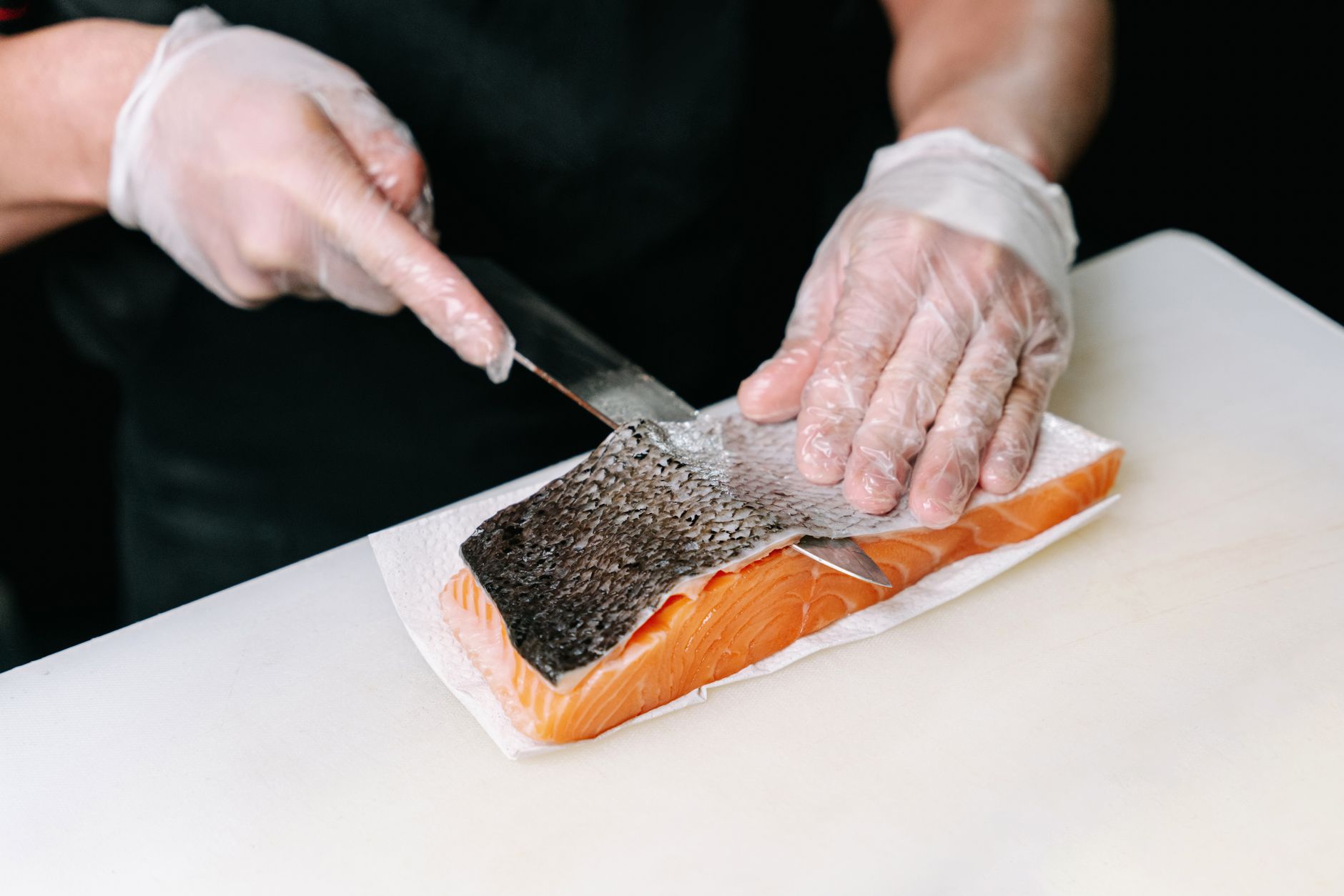
- Remove the Skin: Gently peel the skin off the salmon fillet using a sharp knife. Aim for a thin layer that contains as little fat as possible.
- Cook the Skin: There are several methods to cook salmon skin:
- Oven-Baking: Preheat your oven to 175°C (350°F). Place the salmon skin on a baking sheet lined with parchment paper. Bake for 10-15 minutes until crispy.
- Dehydrating: Use a dehydrator to preserve the salmon skin while retaining its nutrients. This can take several hours, based on your dehydrator settings.
- Boiling: Boil the salmon skin in water for 10 minutes to reduce fat content. Let it cool before serving.
- Cooling: Allow the cooked salmon skin to cool completely before serving it to your dog.
- Portion Control: Cut the skin into appropriate sizes based on your pet’s size to prevent choking hazards.
How Much Salmon Skin Can Dogs Eat?
When introducing salmon skin to your dog’s diet, moderation is essential. A general guideline is to offer small amounts—about a quarter to half of a small piece of skin a couple of times a week, depending on your dog’s size. Always observe your pet’s reaction and adjust accordingly.
Signs of Allergies or Intolerance
As with any new dietary addition, keep an eye out for signs your dog may be allergic or intolerant to salmon skin. Symptoms may include:
- Skin irritations or itching
- Vomiting or diarrhea
- Changes in appetite or energy levels
If any of these symptoms occur, discontinue feeding salmon skin and consult your veterinarian for guidance.
Suitable Alternatives to Salmon Skin
If your dog should avoid salmon skin, consider other options rich in omega-3 fatty acids and suitable for pet diets. These include:
- Flaxseed Oil: A great vegetarian source of omega-3s that can boost skin health.
- Chia Seeds: These tiny seeds are high in fiber and omega-3 fatty acids, making them a nutritious addition to dog food.
- Fish Oil Supplements: Available in liquid or capsule form, these can provide essential fatty acids.
- Sardines: Small fish rich in omega-3s can be an excellent alternative to salmon skin.
A Consideration: Home-Cooked vs. Store-Bought Treats
When considering giving salmon skin to your dog, you have the option of making it at home or purchasing store-bought treats. Here are the benefits and drawbacks of each:
Home-Cooked Treats
Preparing salmon skin at home allows you to control the quality and cooking methods. You can ensure that there are no harmful additives and that the fish is fresh. However, it requires time and effort in preparation.
Store-Bought Treats
There are many commercial dog treats made with salmon skin. These treats can be convenient, but it’s crucial to read ingredient labels carefully. Look for products with minimal additives or preservatives and check for quality certifications.
Common Mistakes to Avoid
When introducing salmon skin or any new food, here are some common mistakes to avoid:
- Not researching the source of the salmon: Always choose high-quality, safe salmon to ensure your dog’s safety.
- Feeding too much: Start with small amounts and gradually increase while observing your pet’s reactions.
- Ignoring allergies: Always monitor your dog after introducing new foods to catch any signs of intolerance early.
Consulting Your Veterinarian
Before making any significant changes to your dog’s diet, it’s always wise to discuss it with your veterinarian. They can provide personalized guidance based on your dog’s unique health needs and dietary requirements.
Conclusion
Salmon skin can be a nutritious treat for dogs when prepared and served correctly. It offers beneficial omega-3 fatty acids and can contribute positively to your dog’s diet. However, it’s essential to remain cautious about the source, preparation method, and your dog’s specific health status. Gradually introducing salmon skin while monitoring your dog’s response is key to ensuring it remains a healthy part of their diet.
For more information about selecting quality salmon or tips on feeding your dog different foods, check out our guides on how to tell if salmon is bad and whether dogs can eat cheddar cheese.