
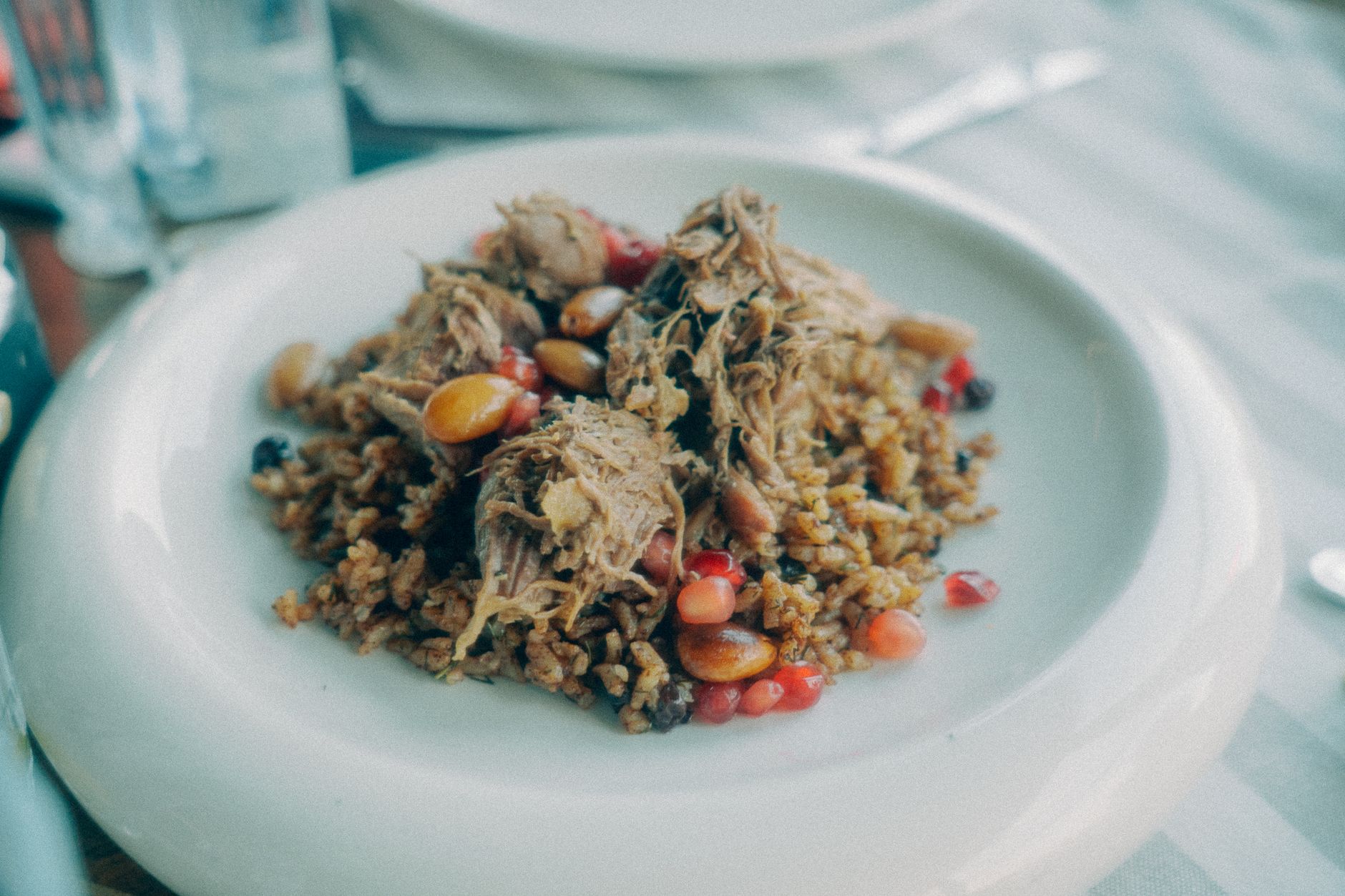
Rice pilaf is a beloved dish, featuring fluffy grains of rice cooked in flavorful broth and often enhanced with vegetables, spices, or meat. This dish is not only versatile but can also be nutritious, making it a common choice for family meals and gatherings.
To determine if rice pilaf is good for you, it’s essential to consider its nutritional profile, potential health benefits, and how it fits into different dietary preferences. This article will explore these aspects in detail, helping you understand the goodness of rice pilaf.
Is Rice Pilaf Good for You?
Rice pilaf can be a nutritious option when made with wholesome ingredients. It typically contains rice, broth, and various seasonings, which together can offer beneficial nutrients. However, as with many dishes, the overall healthiness of rice pilaf largely depends on the ingredients used and portion sizes.
Nutritional Breakdown of Rice Pilaf
Understanding the nutrition of rice pilaf requires examining its primary components. The key ingredient, rice, can be prepared in various ways that influence its nutritional value. Below is a breakdown of the standard ingredients commonly found in rice pilaf and their nutritional impact.
Rice
The foundation of rice pilaf is, of course, rice. Different types of rice carry varying nutritional profiles:
- White Rice: Primarily composed of carbohydrates, it provides energy but is less nutritious compared to brown rice due to the removal of the bran and germ during processing.
- Brown Rice: A whole grain that retains its bran and germ, brown rice is higher in fiber, vitamins, and minerals, making it a healthier choice.
- Wild Rice: Technically a seed rather than true rice, wild rice is high in protein and other nutrients, and it adds a nutty flavor to pilaf.
Broth
The liquid used for cooking rice changes the flavor and nutrition of the dish. Broths can be:
- Chicken Broth: Adds flavor and protein but can also be high in sodium.
- Vegetable Broth: A vegetarian option that can provide vitamins and minerals.
- Low-Sodium Options: Opting for low-sodium broth can help control salt intake.
Additional Ingredients
Vegetables, spices, and protein are often added to enrich rice pilaf:
- Vegetables: Onions, garlic, peppers, and peas not only increase the fiber content but also provide vitamins and minerals.
- Proteins: Ingredients like chicken, beef, or legumes can enhance the dish’s overall nutritional balance by adding essential amino acids.
- Spices: Ingredients such as turmeric, cumin, and saffron add flavor and potential health benefits, such as anti-inflammatory properties.
Health Benefits of Rice Pilaf
Rice pilaf can offer several health benefits, depending on how it is made. Here are some potential advantages:
Energy Source
Rice, particularly when prepared as brown or wild rice, provides a significant source of complex carbohydrates, making it an excellent energy source. This is especially beneficial for those needing sustained energy throughout the day.
Rich in Fiber
When using whole grains like brown rice or incorporating vegetables, rice pilaf can be a good source of dietary fiber. A high-fiber diet supports digestive health and may help maintain a healthy weight.
Versatility for Diets
Rice pilaf can easily be tailored to fit various dietary preferences, including vegetarian, vegan, gluten-free, and low-carb options. This adaptability makes it a great addition to diverse meal plans.
Potential Antioxidant Properties
Including spices and vegetables in your rice pilaf can provide antioxidants, which help protect the body from oxidative stress and inflammation. Ingredients like turmeric and garlic have been shown to have various health benefits.
How to Make a Healthier Rice Pilaf
While rice pilaf can be nutritious, making mindful ingredient choices can enhance its health benefits. Here are some tips for creating a healthier version of rice pilaf:
Choose Whole Grains
Opt for brown rice or wild rice instead of white rice to increase fiber content and add more nutrients. Whole grains help regulate blood sugar levels and offer more sustained energy.
Low-Sodium Broth
Selecting low-sodium broth not only enhances the dish’s flavor but also helps to maintain healthier sodium levels, which is particularly important for those with hypertension or heart issues.
Add More Vegetables
Incorporating a variety of vegetables into your pilaf can boost fiber, vitamins, and minerals. Consider adding ingredients like carrots, spinach, or zucchini for added nutrition and color.
Limit Fats and Salt
If you’re sautéing ingredients in oil or butter, try using less fat or choose healthier options, such as olive oil. Additionally, watch portion sizes on added salts and seasonings to maintain a balanced flavor without excessive sodium.
Rice Pilaf Recipe
This recipe provides a flavorful and nutritious take on rice pilaf, ideal for a side dish or a main course. It offers a balance of fiber, vegetables, and protein.
Yield: 4 servings
Preparation Time: 10 minutes
Cooking Time: 25 minutes
Total Time: 35 minutes
Ingredients
- 1 cup brown rice, rinsed
- 2 cups low-sodium vegetable or chicken broth
- 1 medium onion, finely chopped
- 2 cloves garlic, minced
- 1 cup mixed vegetables (e.g., carrots, peas, and bell peppers)
- 2 tablespoons olive oil
- 1 teaspoon cumin
- Salt and pepper to taste
- Fresh herbs for garnish (optional)
Essential Equipment
- Saucepan with a lid
- Wooden spoon or spatula
- Measuring cups and spoons
Instructions
- In a saucepan, heat the olive oil over medium heat. Add the chopped onion and sauté until translucent, about 3-4 minutes.
- Add the minced garlic and cook for another minute until fragrant.
- Stir in the mixed vegetables and cumin, cooking for an additional 2-3 minutes until the vegetables begin to soften.
- Add the rinsed brown rice, followed by the broth. Stir well and bring to a gentle boil.
- Once boiling, reduce the heat to low, cover the saucepan, and let it simmer for about 20 minutes, or until the rice is tender and the liquid has been absorbed.
- Remove from heat, fluff the rice with a fork, and season with salt and pepper. Garnish with fresh herbs if desired before serving.
Practical Substitutions and Variations
If you’re looking to customize your rice pilaf further, here are practical substitutions and variations that can enhance or alter the dish:
- Different Base Grains: Substitute brown rice with quinoa for a complete protein or cauliflower rice for a lower-carb alternative.
- Vegetable Variations: Use seasonal vegetables for variety or try adding chickpeas for extra protein.
- Herb Variants: Fresh parsley, cilantro, or mint can refresh the dish’s flavor.
Common Mistakes and Troubleshooting
When preparing rice pilaf, avoid these common pitfalls to ensure a tasty outcome:
- Overcooking Rice: Overcooked rice can become mushy. Monitor cooking time closely and remove it from heat as soon as the water is absorbed.
- Insufficient Seasoning: Taste your pilaf before serving. Adjust the seasoning to enhance flavors, especially if using low-sodium broth.
- Lack of Fluffiness: Avoid stirring the rice after it has begun to cook, as this can create a sticky texture.
Storage and Reheating Guidance
If you have leftovers, storing and reheating rice pilaf correctly extends its shelf life:
Storage Recommendations
Place leftover rice pilaf in an airtight container and refrigerate. Properly stored, it can last for about 3-4 days.
Reheating Instructions
To reheat, add a splash of broth or water to the pilaf and heat it in the microwave or on the stove over medium heat until warmed through. This will help maintain its moisture and prevent drying out.
Conclusion
Rice pilaf can be a healthy and satisfying dish when made with nutritious ingredients. It offers versatility, energy, and the potential for numerous health benefits. By selecting whole grains, adding veggies, and seasoning mindfully, you can create a delicious pilaf that meets varying dietary needs. Next time you’re planning your meals, consider including this nutritious dish in your lineup.
Explore more delicious recipes like our seasoned rice recipe and tips on whether rice is fattening to enhance your meal planning!