
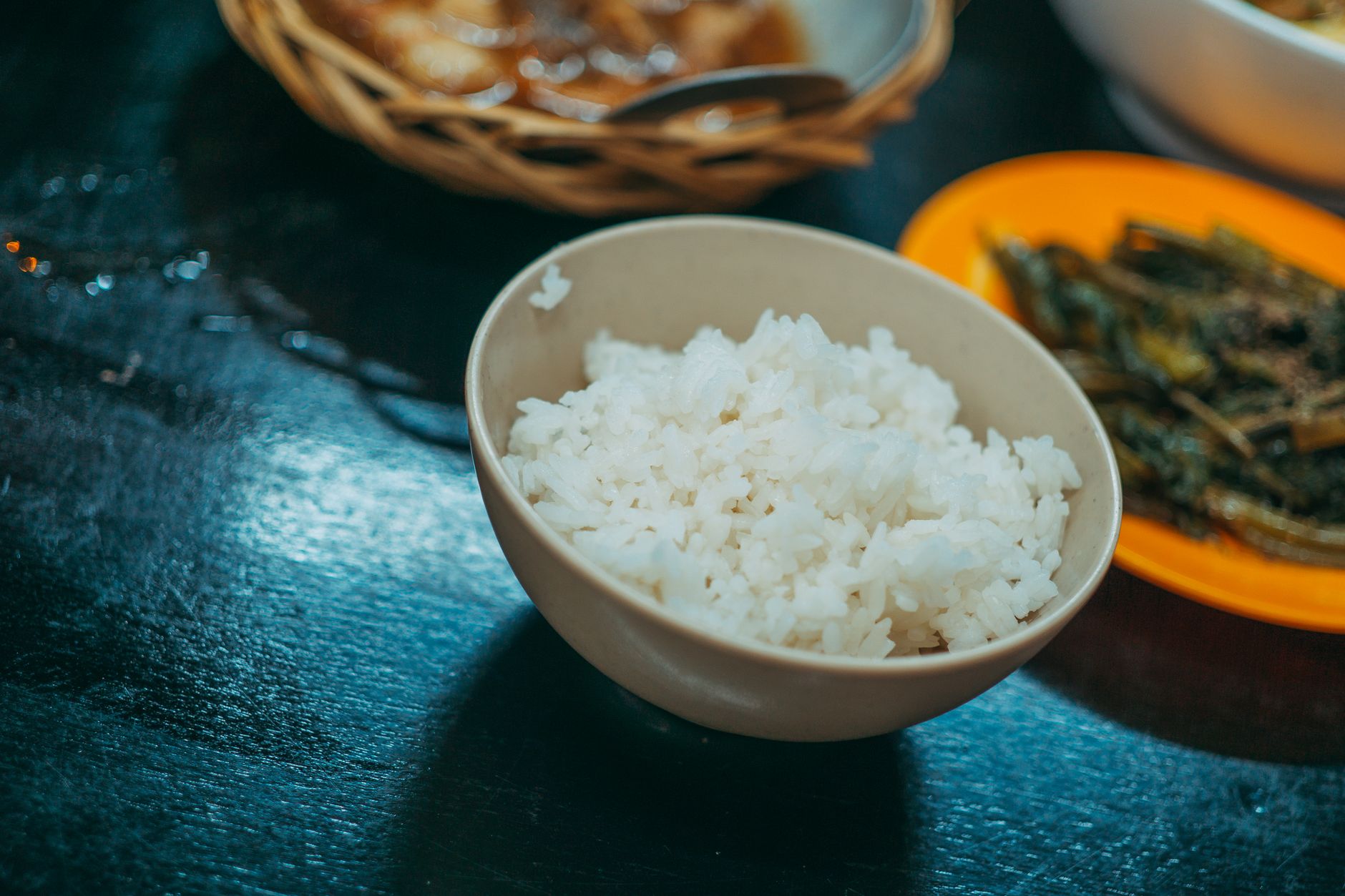
Rice is a staple food for many cultures around the world, being versatile and filling. If you’re trying to gain weight, incorporating rice into your diet may be beneficial, thanks to its high carbohydrate content and energy density. In this article, we will explore the nutritional aspects of rice, its role in weight gain, and practical tips on how to include it in your meals effectively.
Understanding the calories and nutrients in rice can help you optimize your diet for weight gain. In addition to nutrition, we will cover portion sizes, meal planning, and possible recipes that can seamlessly integrate rice into your daily eating routine.
Is Rice Good for Gaining Weight?
Yes, rice can be good for gaining weight. It is dense in carbohydrates and provides a substantial amount of energy. A single serving can contribute to your daily caloric intake effectively, making it a great choice for those looking to increase body mass. To maximize its benefits for weight gain, choosing the right type of rice and pairing it with other nutrient-rich foods is essential.
Nutritional Overview of Rice
Rice comes in various varieties, each offering distinct nutritional profiles. Here’s a brief overview of the most common types:
- White Rice: Contains about 205 calories per cooked cup (186 grams) and is mainly composed of carbohydrates (approximately 45 grams). It is low in fiber and protein.
- Brown Rice: Contains about 215 calories per cooked cup and offers more fiber (approximately 4 grams) and protein (about 5 grams) than white rice, along with important minerals like magnesium and phosphorus.
- Wild Rice: Contains about 166 calories per cooked cup, is high in protein (about 6 grams), and is also a great source of antioxidants.
- Jasmine and Basmati Rice: Both have calorie counts similar to white rice but offer unique flavors and aromas, potentially enhancing meal enjoyment.
While white rice is commonly consumed, opting for brown rice or wild rice can add more nutritional value to your meals through increased fiber and micronutrients, promoting healthier weight gain.
How Rice Aids in Weight Gain
Rice plays an essential role in weight gain due to several factors:
- High in Calories: The calorie-dense nature of rice provides a significant energy boost, crucial for those looking to increase their caloric intake.
- Easy to Digest: Rice, especially white rice, is easy on the stomach, making it a comfortable choice for those who may struggle with heavier meals.
- Versatility: Rice can be paired with a multitude of foods, from proteins to vegetables, allowing for a variety of meal options that can be tailored to meet caloric needs.
- Satiety: Meals containing rice can be filling and satisfying, helping to reduce the likelihood of snacking on less nutritious foods.
Portion Sizes for Rice
Understanding appropriate portion sizes is crucial when you’re trying to gain weight. The recommended serving size for cooked rice is typically one cup, which provides between 160 to 215 calories, depending on the type. However, for those focused on gaining weight, adjusting portion sizes to larger amounts may be necessary.
Here’s a quick guide to customizing your rice portions for weight gain:
- Standard Portion: 1 cup cooked rice (160-215 calories).
- Moderate Portion: 1.5 cups cooked rice (240-325 calories).
- Generous Portion: 2 cups cooked rice (320-430 calories).
When increasing your rice intake, it’s also important to balance it with other food groups, including proteins and healthy fats, to ensure a comprehensive nutrient profile.
Meal Planning with Rice
Incorporating rice into your meal planning can help you manage your calorie intake efficiently. Here are some practical meal suggestions across different meals of the day:
Breakfast
- Rice Porridge: Start your day with a warm bowl of rice porridge, topped with fruits, nuts, and a drizzle of honey for a wholesome breakfast.
- Breakfast Burritos: Use rice as the base for breakfast burritos filled with eggs, cheese, and your choice of vegetables.
Lunch
- Rice Bowls: Create a hearty rice bowl with grilled chicken or beef, sautéed vegetables, and your favorite sauce.
- Fried Rice: Incorporate leftover rice into a fried rice dish with eggs, peas, carrots, and a protein of your choice.
Dinner
- Curry with Rice: Pair a rich curry with plenty of rice to soak up the flavorful sauce.
- Stir-Fried Rice: Use rice as a base for stir-fried dishes, combining it with tofu, vegetables, and spices for a delicious and filling dinner.
Recipes Featuring Rice for Weight Gain
Here are a couple of delicious recipes that highlight rice while ensuring adequate caloric intake.
Hearty Vegetable and Chicken Rice Bowl
This rice bowl combines nutritious ingredients to create a satisfying meal.
Yield: 2 servings
Preparation Time: 15 minutes
Cooking Time: 20 minutes
Total Time: 35 minutes
Ingredients:
- 1 cup brown rice
- 2 cups water or chicken broth
- 1 pound boneless, skinless chicken breast, diced
- 2 tablespoons olive oil
- 2 cups mixed vegetables (broccoli, bell peppers, carrots)
- Salt and pepper to taste
- Optional: Soy sauce or teriyaki sauce for serving
Essential Equipment:
- Medium saucepan
- Skillet
- Cooking spoon
- Measuring cups
- Knife and chopping board
Method:
- In a medium saucepan, bring water or chicken broth to a boil. Add brown rice, stirring well. Reduce heat, cover, and let simmer for about 45 minutes, or until tender.
- In a skillet, heat olive oil over medium heat. Add diced chicken, season with salt and pepper, and cook for 5-7 minutes until browned and cooked through.
- Add the mixed vegetables to the skillet with the chicken and cook for another 5 minutes, or until the vegetables are tender.
- Serve the chicken and vegetable mixture over cooked brown rice. Drizzle with soy sauce or teriyaki sauce if desired.
Vegetarian Fried Rice
This colorful fried rice dish is perfect for a quick meal and is packed with nutrients.
Yield: 3 servings
Preparation Time: 10 minutes
Cooking Time: 15 minutes
Total Time: 25 minutes
Ingredients:
- 2 cups cooked white rice (preferably day-old)
- 1 tablespoon vegetable oil
- 2 eggs, beaten
- 1 cup peas and carrots (fresh or frozen)
- 2-3 green onions, chopped
- 2 tablespoons soy sauce
- Salt and pepper to taste
Essential Equipment:
- Wok or large skillet
- Cooking spoon
- Measuring spoons
- Knife and chopping board
Method:
- In a large skillet or wok, heat vegetable oil over medium-high heat. Add the beaten eggs, scramble them until fully cooked, and transfer to a plate.
- In the same skillet, add the cooked rice, peas, carrots, and green onions. Stir-fry for about 3-4 minutes until heated through.
- Add the scrambled eggs back to the mixture, pour in soy sauce, and season with salt and pepper. Stir well and cook for an additional 1-2 minutes.
- Serve hot, optionally garnished with more green onions.
Common Mistakes and Troubleshooting
When preparing rice dishes for weight gain, some common mistakes can occur:
- Using Too Much Water: Overcooking rice can lead to a mushy texture. Follow the recommended water to rice ratios for the type of rice you are using.
- Skipping Flavor Addition: Rice can be bland on its own. Always season during cooking or opt for flavored liquids, such as broth or sauces, to enhance taste.
- Not Pairing with Enough Protein and Fats: While rice is filling, pairing it with proteins (like chicken, legumes, or tofu) and healthy fats (like avocado or nuts) will support weight gain effectively.
Storage and Reheating Guidance
Proper storage and reheating of rice dishes are crucial for maintaining quality and safety:
- Cooked rice can be stored in an airtight container in the refrigerator for up to 4-6 days.
- For freezing, place cooled rice in freezer-safe bags and freeze for up to 3 months. Thaw overnight in the refrigerator before reheating.
- To reheat, use the microwave or stovetop. Add a little water to prevent drying out when reheating in the microwave.
Conclusion
Incorporating rice into your meals can be a delicious and effective way to support your weight gain goals. Its caloric density, versatility, and ease of digestion make it a suitable staple food. To optimize weight gain, focus on pairing rice with proteins and healthy fats while being mindful of portion sizes. Consider planning your meals to include hearty rice dishes and experiment with flavors to make your dishes enjoyable and nutritious.
If you’re interested in more delicious recipes and cooking guides, explore our article on whether rice is fattening or try out our Puerto Rican rice recipe for a flavorful addition to your meals.