
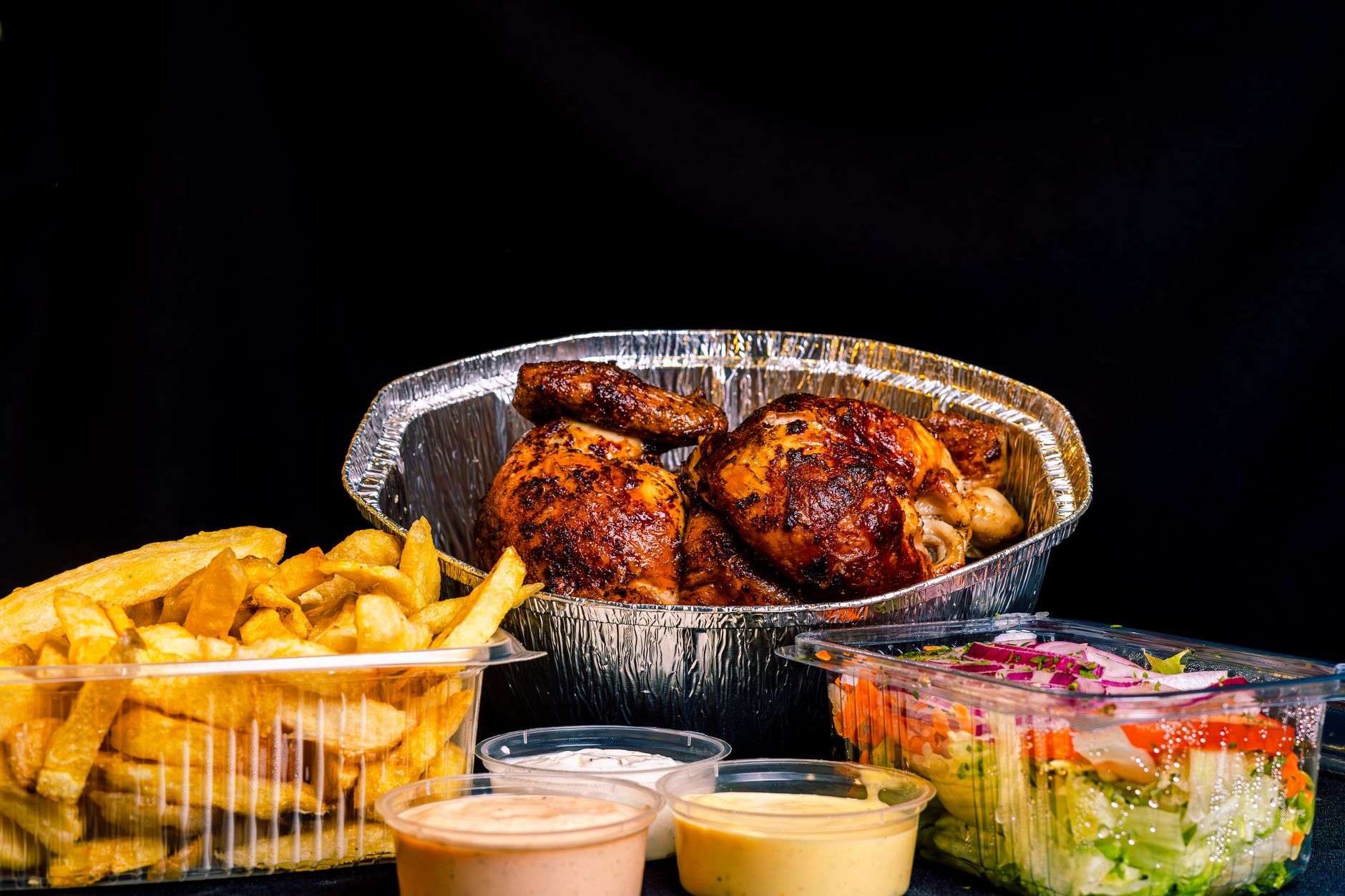
Rotisserie chicken is a popular choice for those looking for a quick and versatile meal option. With its crispy skin and tender meat, it’s no wonder it has become a staple in many households. One question that often arises is, “How many carbs are in rotisserie chicken?” Understanding the nutritional profile of rotisserie chicken can help with meal planning and dietary choices.
This article delves into the carbohydrate content in rotisserie chicken, offers insights into its nutritional composition, and discusses serving suggestions, making it easier for you to enjoy this delicious dish while keeping your dietary goals in check.
How Many Carbs in Rotisserie Chicken?
Rotisserie chicken is very low in carbohydrates, making it an appealing option for those following low-carb diets. A typical serving size of rotisserie chicken, which is about 3.5 ounces (approximately 100 grams), contains less than 1 gram of carbohydrates. The primary macronutrients in this dish are protein and fat, which contribute to its favorable status among health-conscious eaters.
To provide a clearer picture, let’s break down the nutrition further.
Nutritional Breakdown of Rotisserie Chicken
While the focus is on carbohydrates, it is essential to consider the entire nutritional profile of rotisserie chicken, including protein and fats, as these macronutrients play a significant role in your diet.
- Calories: Approximately 170-220 calories per serving (3.5 oz or 100g)
- Protein: About 25-30 grams
- Total Fat: Ranges from 7-12 grams
- Saturated Fat: Generally around 2-4 grams
- Cholesterol: Approximately 80-100 mg
- Sodium: Ranges from 300 to 600 mg, depending on seasoning
- Carbohydrates: Less than 1 gram
This nutritional composition indicates that rotisserie chicken is an excellent source of high-quality protein without unnecessary carbs, which aligns well with many dietary goals, including those focused on weight loss or muscle building.
Flavors and Textures
Rotisserie chicken is typically seasoned with a blend of spices, offering savory notes from garlic, paprika, and other herbs, creating a well-rounded flavor profile. The skin becomes crispy during the cooking process, yielding a delightful crunch, while the meat remains juicy and tender. This combination makes it a versatile ingredient that can be enjoyed in various dishes.
Health Aspects of Eating Rotisserie Chicken
Including rotisserie chicken in your diet can offer several health benefits due to its nutritional content. High in protein, rotisserie chicken supports muscle repair and growth and can keep you feeling full longer, which may help curb cravings.
However, pay attention to the sodium levels, as they can be significant based on seasoning and preparation methods. Opting for less-salted varieties or preparing homemade rotisserie chicken can help manage sodium intake.
Portion Size and Serving Suggestions
When incorporating rotisserie chicken into your meals, portion size matters. A standard serving is about 3.5 ounces (100 grams), providing a good balance of protein without excess fat or carbs. Here are a few serving suggestions:
- Shred the chicken and mix it into a salad for a protein-packed meal.
- Serve it alongside roasted vegetables for a well-rounded dinner.
- Use it as a filling for tacos, wraps, or sandwich alternatives using lettuce or whole-grain options.
- Add it to soups or stews for added flavor and protein.
- Pair with quinoa or brown rice for a satisfying lunch or dinner.
These options help balance out your meal with fiber-rich vegetables and whole grains while keeping the carb count low.
Homemade Rotisserie Chicken Recipe
If you’re keen on knowing precisely what goes into your chicken, making homemade rotisserie chicken is a great option. This recipe gives you complete control over seasoning and preparation.
Yield
This recipe serves approximately 4-6 people.
Preparation Time
Prep Time: 10 minutes
Cook Time: 1 hour 15 minutes
Total Time: 1 hour 25 minutes.
Ingredients
- 1 whole chicken (4-5 pounds)
- 2 tablespoons olive oil
- 1 tablespoon garlic powder
- 1 tablespoon onion powder
- 1 tablespoon paprika
- 1 teaspoon dried thyme (or your preferred herbs)
- Salt and pepper to taste
Essential Equipment
- Roast or baking pan
- Meat thermometer
- Sharp knife or kitchen shears
- Paper towels
Method
- Preheat your oven to 375°F (190°C).
- Pat the chicken dry with paper towels. This helps to achieve crispy skin.
- Rub the chicken with olive oil, covering all surfaces.
- In a small bowl, mix garlic powder, onion powder, paprika, thyme, salt, and pepper.
- Rub the spice mixture all over the chicken, ensuring to get under the skin for more flavor.
- Place the chicken in a roasting pan, breast side up.
- Insert a meat thermometer into the thickest part of the thigh, avoiding bone.
- Roast in the preheated oven for about 1 hour and 15 minutes, or until the internal temperature reaches 165°F (74°C).
- Let the chicken rest for about 10-15 minutes before carving. This helps retain moisture.
- Carve and serve as desired, enjoying the low-carb, high-protein goodness!
Common Mistakes When Cooking Rotisserie Chicken
While making rotisserie chicken at home can feel straightforward, several common pitfalls can affect the final outcome:
- Not drying the chicken: Excess moisture prevents the skin from becoming crispy.
- Seasoning too lightly: A well-seasoned chicken is vital for optimal flavor.
- Skipping the resting period: Carving immediately after cooking can lead to dry meat.
- Using an incompatible spice blend: Experimenting with flavor profiles is great, but ensure they complement the chicken.
Storage and Reheating Tips for Rotisserie Chicken
Leftover rotisserie chicken can be stored safely in the refrigerator. Follow these guidelines for storage and reheating:
- Wrap any leftover chicken tightly in aluminum foil or place it in an airtight container.
- Store in the refrigerator for 3 to 4 days.
- For longer storage, consider freezing the chicken, where it can last for up to 4 months.
- To reheat, place chicken in an oven preheated to 350°F (175°C) until heated throughout, about 20-25 minutes.
- Alternatively, use a microwave, covering the chicken with a damp paper towel to retain moisture, for 4-6 minutes.
Rotisserie Chicken in Meal Planning
Rotisserie chicken can be a valuable asset in meal planning due to its versatility. Here are some practical recommendations:
- Plan to use leftovers within a few days in various dishes, reducing food waste.
- Combine it with fresh ingredients such as mixed greens, grains, and vegetables for quick meals.
- Incorporate it into meal prep for lunches or quick snacks throughout the week.
- Batch-cook recipes for busy weeknights.
By integrating rotisserie chicken into your meal planning, you can save time while enjoying nutritious, low-carb meals.
Final Thoughts
With minimal carbohydrates, a wealth of protein, and considerable flavor, rotisserie chicken stands out as an ideal component in various diets, including low-carb and high-protein meal plans. Whether you purchase it from the grocery store or prepare it yourself, this dish provides flexibility in meal planning and cooking.
Explore more about the proper storage of cooked chicken and how long it can last so you can maximize your culinary experience with this staple protein. Keep your meals flavorful, low-carb, and satisfying!
Explore further information and tips on food storage with our article on how long cooked chicken lasts or learn about freezing cooked chicken for long-term preservation.