
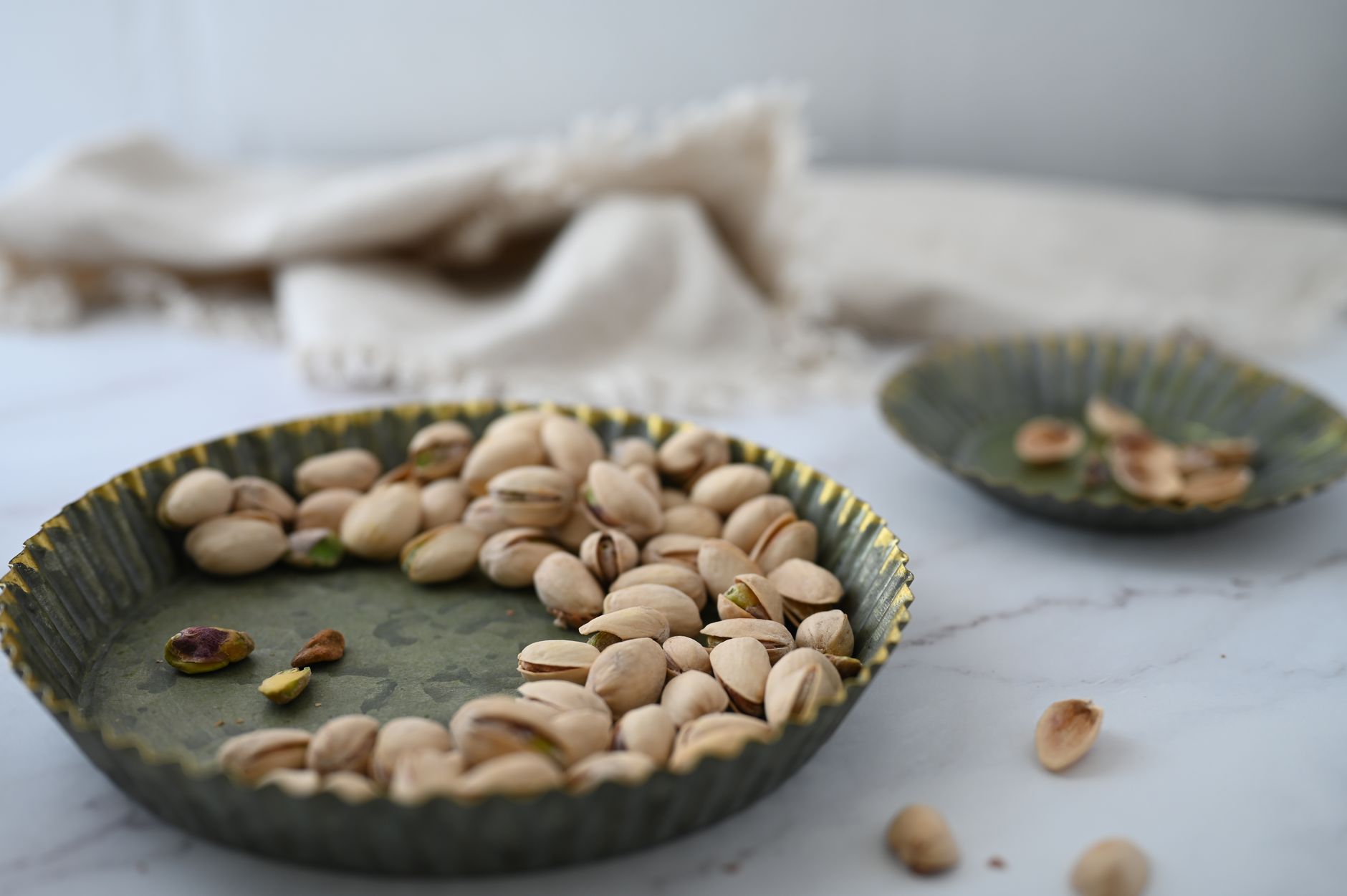
Pistachios, a popular nut known for their distinctive flavor and texture, are often regarded as a healthy snack. They are not only a delicious addition to various dishes but also packed with nutrients. This article delves into the health benefits of pistachios, their nutritional content, how to incorporate them into your diet, and potential considerations for their consumption.
Whether you are snacking on them straight from the shell or using them in recipes, understanding pistachios’ advantages and disadvantages can help you make informed dietary choices. Here, we’ll explore why pistachios may be a valuable component of your meals.
Is Pistachios Good For You?
Yes, pistachios are good for you. They are nutrient-dense, offering a variety of health benefits, including heart health support, weight management assistance, and antioxidant properties. Including pistachios in your diet can contribute positively to overall nutrition, provided they are consumed in moderation.
Nutritional Profile of Pistachios
Pistachios are not only tasty but also loaded with essential nutrients. Let’s take a closer look at their nutritional composition per 28 grams (about 49 kernels):
- Calories: 159
- Protein: 6 grams
- Fat: 13 grams (of which 1.5 grams are saturated fats)
- Carbohydrates: 8 grams
- Fiber: 3 grams
- Sugars: 2 grams
- Vitamin B6: 30% of the Daily Value (DV)
- Potassium: 8% of the DV
- Phosphorus: 10% of the DV
- Antioxidants: including lutein and zeaxanthin
Health Benefits of Pistachios
1. Heart Health
Pistachios contain healthy fats, particularly monounsaturated and polyunsaturated fats, which can contribute to heart health. They can help lower bad cholesterol levels and reduce the risk of heart disease. Moreover, these nuts are rich in antioxidants, which can combat oxidative stress and inflammation linked to heart issues.
2. Weight Management
Despite being calorie-dense, pistachios can assist with weight management. Their high protein and fiber content promote feelings of fullness, reducing overall calorie intake. Eating pistachios may also prevent overeating; research indicates that those eating them in their shells consume fewer calories than those eating shelled varieties.
3. Nutrient-Rich Snack
Pistachios are a sensible snack option, especially compared to processed snacks loaded with sugars and unhealthy fats. They provide not only healthy fats but also protein and fiber, which help stabilize blood sugar levels and maintain energy throughout the day.
4. Eye Health
The antioxidants found in pistachios, such as lutein and zeaxanthin, are known for their positive effects on eye health. Regular consumption may help reduce the risk of age-related eye diseases like macular degeneration and cataracts.
5. Blood Sugar Control
Studies suggest that pistachios may help in managing blood sugar levels, largely due to their low glycemic index and nutrient profile. Including them in meals may enhance post-meal blood sugar responses, promoting better control for those with diabetes.
How to Incorporate Pistachios into Your Diet
There are numerous ways to enjoy pistachios, making them a versatile ingredient in both sweet and savory dishes. Here are some popular methods:
1. Snacking
The simplest way is to enjoy them as a snack. A handful can satisfy cravings healthily. You can have them raw, roasted, or spiced, depending on your preference. Always choose unsalted varieties if you’re monitoring sodium intake.
2. In Salads
Add a tasty crunch to your salads by tossing in a handful of pistachios. Their nutty flavor pairs excellently with spinach, arugula, or mixed greens, enhancing both texture and nutrition.
3. Pistachio Butter
Pistachio butter is an alternative to almond or peanut butter. Spread it on toast, blend it into smoothies, or use it as a dip for fruits and snacks to incorporate more healthy fats into your diet.
4. Baking
Pistachios can be incorporated into various baked goods, such as cookies, muffins, or breads. They add a lovely flavor and make for an attractive garnish. Consider using ground pistachios in place of some of the flour to elevate the nutritional profile.
5. Pistachio Pesto
Pistachios make a unique and delicious pesto. Blend them with basil, garlic, olive oil, parmesan cheese, and a splash of lemon juice for a flavorful sauce that can be used on pasta, sandwiches, or as a dip. You can check out a recipe for pistachio pesto here.
Potential Concerns When Eating Pistachios
While pistachios have numerous health benefits, there are some considerations to keep in mind:
1. Caloric Density
Pistachios are calorie-rich, which can lead to weight gain if consumed excessively. It’s best to be mindful of portion sizes, particularly if you’re looking to manage weight.
2. Allergies
For those with nut allergies, pistachios can provoke reactions. Symptoms can range from mild to severe, so it is crucial to avoid them if you’re allergic.
3. Sodium Content
Check the sodium content if you opt for flavored or salted pistachios. Excessive sodium intake can lead to health issues, including hypertension.
Storage Tips for Pistachios
Proper storage of pistachios extends their shelf life and maintains their flavor:
1. Keep them in a Cool, Dry Place
Store pistachios in an airtight container in a cool, dry location away from sunlight. This will help prevent them from becoming rancid.
2. Refrigeration
If you purchase pistachios in bulk or want to keep them fresh for an extended period, consider storing them in the refrigerator. This can prolong their life, especially in warm climates.
Recipe Idea: Pistachio Latte
Pistachios can even be used to create delightful beverages. A pistachio latte combines the rich, nutty flavor of pistachios with the smoothness of espresso. For a simple pistachio latte recipe, view it here.
Common Myths About Pistachios
Several myths surround pistachios and nuts in general. Let’s debunk some of these:
1. Nuts are Unhealthy
Many people believe that all nuts are unhealthy due to their fat content. However, the fats in nuts like pistachios are primarily healthy fats that can benefit heart health.
2. Eating Nuts Leads to Weight Gain
While high in calories, when consumed in moderation, nuts can help with weight management due to their satiating properties and nutritional value.
Pistachios in Culinary Traditions
Pistachios have a long history, used in various cuisines around the world. They are often featured in Middle Eastern dishes, desserts, and traditional sweets like baklava. Their vibrant green color is also a chef’s favorite for garnishing and enhancing presentation.
Conclusion
Pistachios are not only a tasty and versatile ingredient but also a nourishing snack that can be beneficial to your health in moderation. Their high protein, fiber content, and array of vitamins and minerals make them a worthwhile addition to your diet.
Consider incorporating pistachios into your meals or snacks today, whether as a quick snack, in salads, or in innovative recipes like pistachio pesto or lattes. For more insights, explore our guides on delicious culinary creations.