
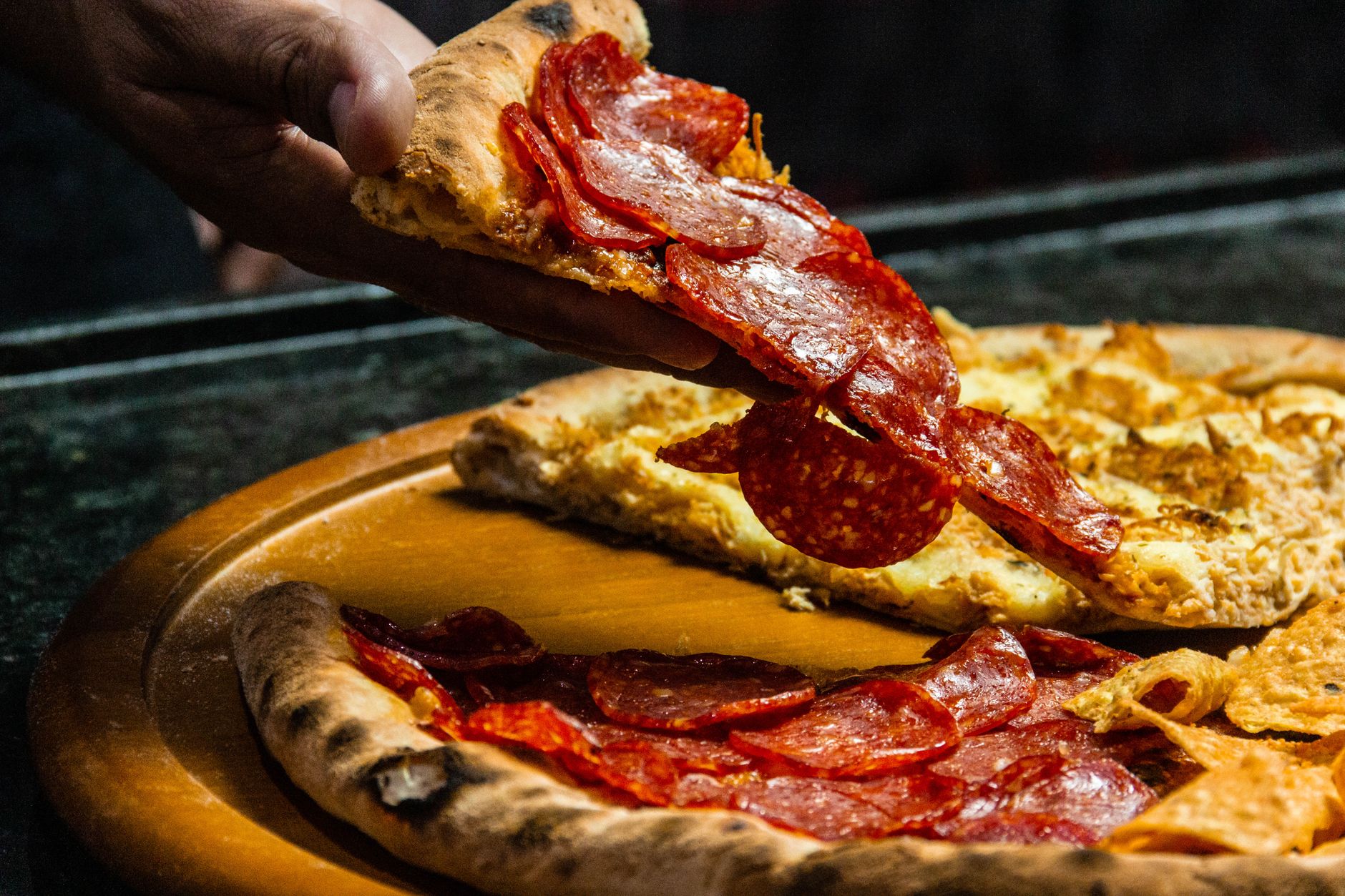
Pepperoni is a popular topping for pizzas and a common ingredient in various American-style dishes. However, for those following halal dietary guidelines, the question of whether pepperoni is halal is significant. This article explores the ingredients, labels, and alternatives to pepperoni, providing insights for those adhering to halal practices.
Understanding whether pepperoni is halal involves examining its ingredients, potential sources, and how it is processed. This guide aims to clarify these aspects while offering substitutions and alternatives suitable for halal diets.
Is Pepperoni Halal?
The answer to whether pepperoni is halal is not straightforward and depends largely on how the pepperoni is made. Traditional pepperoni is typically made from a mix of pork and beef, with spices and flavorings. Since pork is not halal, traditional pepperoni is not considered halal. However, some brands produce halal-certified pepperoni made from beef or chicken without any pork or non-halal ingredients.
Understanding Pepperoni Ingredients
To determine if pepperoni is halal, it is vital to understand its primary ingredients. Traditional pepperoni often contains the following:
- Meat: Often a blend of pork and beef, but can also be made from only beef or chicken in halal varieties.
- Spices and Flavorings: Includes paprika, garlic powder, and black pepper, which are typically halal.
- Curing Agents: Sodium nitrite is commonly used to preserve color and prevent spoilage.
- Casings: Often made from animal intestines, which must also be halal-certified if the pepperoni is to be considered halal.
Pork in Pepperoni
The primary reason traditional pepperoni is not halal is the inclusion of pork. In Islam, eating pork is strictly prohibited. Since most conventional pepperoni consists of a significant amount of pork, it does not meet halal standards. Therefore, individuals practicing halal diets should avoid traditional pepperoni unless it is explicitly labeled as halal.
Finding Halal-Certified Pepperoni
Many manufacturers are now creating halal-certified pepperoni options. These products are typically made from beef or chicken and are processed in a way that complies with halal regulations. To identify halal pepperoni, look for:
- Halal Certification: Check for a halal logo from a recognized certifying body on the packaging.
- Ingredient List: Ensure there are no pork products listed. Look for terms like ‘halal beef’ or ‘halal chicken.’
- Reputable Brands: Some brands are well-known for producing halal products, making it easier to find suitable options.
Are There Alternatives to Traditional Pepperoni?
For those who avoid traditional pepperoni, there are several halal-friendly alternatives that can provide similar flavors and textures in dishes.
1. Turkey Pepperoni
Turkey pepperoni is a widely available substitute. It tends to be lower in fat and can be made halal. Like traditional pepperoni, turkey pepperoni is seasoned with similar spices, providing a comparable taste experience.
2. Beef Pepperoni
Beef pepperoni is a popular alternative for those looking for a halal substitute. It’s made exclusively from beef and can be found in many grocery stores. The flavor profile is typically quite similar to traditional pepperoni, making it a great option for pizzas and sandwiches.
3. Chicken Pepperoni
Chicken pepperoni is another halal option. It is made from processed chicken and usually seasoned to replicate the taste of traditional pepperoni. It may be less fatty than beef or pork options, appealing to health-conscious consumers.
4. Vegetarian or Vegan Pepperoni
For those who prefer to avoid meat altogether, vegetarian or vegan pepperoni is available. These products are made from plant-based ingredients and are designed to mimic the taste and texture of traditional pepperoni. They are generally halal, but checking for certifications is important.
5. Homemade Pepperoni Alternatives
If you enjoy cooking, consider making your own halal-friendly pepperoni at home. You can use ground beef or chicken, spices, and some curing agents. Homemade versions allow more control over ingredients and can cater to specific dietary needs.
How to Identify Halal Labels and Certification
Understanding halal labeling and certification can be complex, but it is crucial for those adhering to dietary guidelines. Here are some guidelines to help you understand halal certifications:
- Recognized Certifying Bodies: Look for certification from well-known halal organizations such as the Islamic Food and Nutrition Council of America (IFANCA) or the Halal Food Authority. These bodies have strict standards to ensure that products certified as halal meet religious requirements.
- Ingredient Transparency: Trustworthy manufacturers usually provide clear ingredient lists and sources for their products. Transparency allows consumers to make informed choices about what they are purchasing.
- Regional Differences: Halal certification can vary depending on the region. Always seek local certification when purchasing products in different countries.
Common Questions About Halal Pepperoni
Here are some frequently asked questions that can further clarify the halal pepperoni topic:
Can I eat pepperoni if it’s labeled “beef pepperoni”?
Yes, as long as the beef used is halal-certified and complies with halal dietary laws. Always check the label for any additional ingredients that may not be halal.
What should I look for when purchasing pepperoni?
When buying pepperoni, check for halal certification on the packaging, ensure it does not contain any pork products, and review the ingredient list for transparency and trustworthiness.
Where can I find halal pepperoni?
Halal pepperoni is often available at halal grocery stores, specialty food shops, or online retailers. Additionally, some mainstream grocery stores now carry halal-certified options in their meat or deli sections.
Cooking with Halal Pepperoni
When using halal pepperoni in your cooking, the preparation methods will largely depend on the dish you’re making. Here are some useful tips:
Pizza
Halal pepperoni is a fantastic topping for homemade pizzas. Use a pizza stone or a hot baking sheet to give the crust a nice crispy texture. For extra flavor, add some herbs like oregano or basil alongside the pepperoni.
Sandwiches
Layer halal pepperoni in sandwiches with cheese, lettuce, and tomato for a delightful flavor combination. A toasted sandwich with melted cheese and crispy pepperoni is a crowd-pleaser.
Salads
Adding halal pepperoni to salads can enhance flavor and texture. Consider using a variety of fresh veggies, cheese, and a tangy dressing to complement the pepperoni.
Pasta Dishes
Halal pepperoni can also be a great addition to pasta dishes. Try adding it to your favorite pasta sauces or casseroles for a savory touch.
Storage and Usage Tips for Pepperoni
Proper storage of halal pepperoni is essential to maintain its quality and safety:
- Refrigeration: Store opened pepperoni in the refrigerator, tightly wrapped in its original packaging or in an airtight container to prevent it from drying out.
- Freezing: For longer storage, you can freeze pepperoni. Separate individual slices with parchment paper before placing them in a freezer bag to make it easier to thaw only what you need.
- Check Expiry Dates: Always check the expiration date on the packaging to ensure freshness. Discard any pepperoni that has an off smell or appearance.
Nutritional Considerations
When incorporating halal pepperoni into your meals, it’s important to consider its nutritional profile. Halal pepperoni variations might vary in fat and calorie content, especially when comparing traditional pork-based options to those made from turkey or chicken. Here are some general considerations:
- Protein Source: Pepperoni is a good source of protein. Halal turkey and chicken pepperoni generally have lower fat content than traditional pork pepperoni.
- Sodium Content: Many processed meats, including pepperoni, can be high in sodium. Monitor your intake if you’re watching your sodium levels.
- Use in Moderation: Due to its cured nature, it’s best to enjoy pepperoni in moderation as part of a balanced diet.
Conclusion
In summary, whether pepperoni is halal depends on its ingredients and preparation. Traditional pepperoni made with pork is not halal, but halal-certified options made from beef, turkey, or chicken are widely available. By learning to identify halal labels and exploring alternatives, you can enjoy dishes with pepperoni while adhering to your dietary practices. As always, check labels diligently and opt for reputable brands to ensure your food choices align with your values and beliefs.
For more insights into halal cooking, consider exploring our guides on halal white sauce recipes and whether Muslims can eat beef. These resources can help enhance your cooking experience while respecting dietary restrictions.