
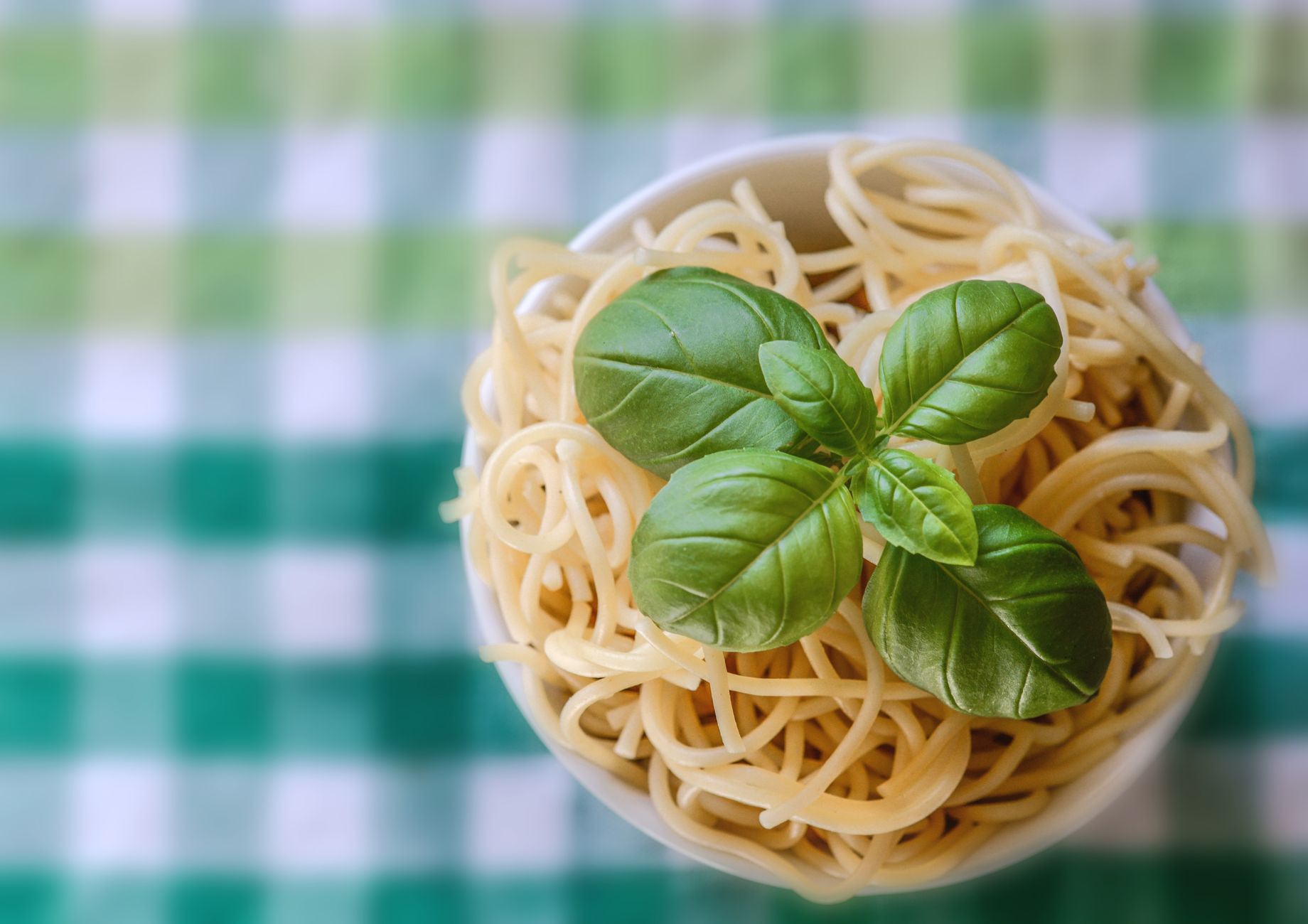
Pasta is a staple food enjoyed by many people around the world due to its versatility and ease of preparation. One common question that arises for those monitoring their potassium intake is, “Is pasta high in potassium?” In this article, we will explore the potassium content in various types of pasta, provide serving guidance, and discuss nutritional aspects that help you make informed choices.
Potassium is an essential mineral that plays a vital role in maintaining proper muscle and nerve function as well as fluid balance in the body. Understanding pasta’s potassium levels can be particularly important for those with dietary restrictions or health conditions such as kidney disease. Let’s delve into the details.
Is Pasta High in Potassium?
The potassium content in pasta can vary based on the type of pasta and its ingredients. Generally, traditional white pasta has a lower potassium content compared to whole grain or enriched pasta. A common serving size of cooked pasta is around 1 cup (approximately 140-200 grams), and this serving size typically contains about 40 to 80 mg of potassium, depending on the type of pasta.
Potassium Content in Various Types of Pasta
Here’s a closer look at the potassium levels in different types of pasta:
- Regular Semolina Pasta: Contains approximately 40-60 mg of potassium per cooked 1-cup serving.
- Whole Wheat Pasta: Higher in potassium, containing around 80-100 mg per cooked 1-cup serving.
- Enriched Pasta: Similar to regular semolina, averaging about 50-70 mg per cooked serving.
- Gluten-Free Pasta: Varies widely, but many options have similar potassium levels to regular pasta, about 40-80 mg.
- Legume-Based Pasta: Higher than traditional pasta, often containing around 200-300 mg of potassium per cooked 1-cup serving.
Portion Sizes and Serving Suggestions
Understanding portion sizes is crucial for accurately determining potassium intake. A typical serving of cooked pasta is about 1 cup. However, depending on individual dietary needs, some may eat more. For instance, athletes or those with higher caloric needs might consume up to 2 cups, which would double the potassium intake accordingly.
Serving Examples
Here are some practical examples of serving sizes and their corresponding potassium content:
- 1 cup cooked regular pasta: 40-60 mg of potassium.
- 1 cup cooked whole wheat pasta: 80-100 mg of potassium.
- 1 cup cooked legume-based pasta: 200-300 mg of potassium.
Nutritional Benefits of Pasta
Pasta can be a significant source of carbohydrates, which provide energy for daily activities. Its nutritional profile varies based on the type of pasta and its ingredients.
In addition to potassium, whole grain and legume-based pastas offer dietary fiber, which aids digestion and helps maintain a feeling of fullness. This is in contrast to regular semolina pasta, which is lower in fiber content. Moreover, some enriched pastas contain added vitamins and minerals, such as B vitamins and iron, which offer additional nutritional benefits.
Incorporating Pasta into a Balanced Diet
For individuals looking to maintain a balanced diet while managing their potassium intake, pasta can be an excellent option when paired thoughtfully with other ingredients. Here are some meal ideas:
1. Pasta Primavera
Pasta primavera combines cooked pasta with a variety of vegetables, enhancing the meal’s potassium content. Vegetables like broccoli, spinach, and bell peppers are rich in potassium and add flavor and nutrients.
2. Legume-based Pasta Dishes
Using chickpea or lentil pasta can significantly boost both protein and potassium in your meal. These can be paired with tomato sauce or pesto for added flavor.
3. Whole Wheat Pasta Salads
A cold pasta salad made with whole wheat pasta, olives, cherry tomatoes, and spinach can create a refreshing dish that provides fiber and potassium.
Common Mistakes When Eating Pasta
When it comes to pasta consumption, certain common mistakes can affect both health and taste. Here are a few to watch out for:
- Overcooking Pasta: Overcooked pasta can become mushy and lose its appeal. Aim for al dente for better texture.
- Neglecting to Add Vegetables: Complementing pasta dishes with vegetables increases fiber and nutrient content.
- Ignoring Portion Sizes: Healthy portions help manage caloric and potassium intake effectively.
Cooking Techniques for Perfect Pasta
Cooking pasta properly enhances its texture and overall enjoyment. Here are some essential tips:
1. Use Plenty of Water
When boiling pasta, ensure you use a large pot with plenty of water – usually about 1 gallon per pound of pasta. This prevents the pasta from sticking together.
2. Salt the Water
Adding salt to boiling water (about 1 tablespoon per gallon) enhances flavor without significantly impacting sodium intake.
3. Stir Occasionally
Stirring pasta occasionally during cooking helps prevent it from clumping and ensures even cooking.
4. Taste for Doneness
Tasting a piece of pasta a minute or two before the package indicates doneness can help you decide when it’s perfectly cooked.
Storage and Reheating Pasta
Proper storage extends the life of cooked pasta, ensuring it remains safe and palatable:
Storing Cooked Pasta
- Allow cooked pasta to cool to room temperature before storing.
- Transfer to an airtight container and refrigerate. It can usually last 3-5 days.
- For longer storage, consider freezing cooked pasta. Ensure it cools fully, then place in a freezer-safe bag or container.
Reheating Cooked Pasta
When reheating, there are a few techniques to preserve texture and flavor:
- Stovetop: Add a little water or sauce to the pan and stir over medium heat until heated through.
- Microwave: Place pasta in a microwave-safe bowl with a teaspoon of water, then cover loosely. Heat on high in 30-second intervals, stirring in between.
- Oven: For baked pasta dishes, cover with foil, and heat at 350°F (175°C) for about 20-25 minutes.
Pasta and Health Considerations
Potassium’s role in overall health, particularly for individuals with certain conditions, is significant. Those with kidney issues may need to monitor potassium intake more strictly. In contrast, individuals with normal kidney function typically benefit from a balanced potassium intake through foods.
For those looking to reduce potassium intake, careful selection of pasta and accompanying ingredients is essential. Stick to smaller portions of whole wheat or legume-based pasta and focus on lower-potassium sauces and ingredients, such as lean proteins and non-starchy vegetables.
Final Thoughts on Pasta and Potassium
Understanding the potassium content in pasta can help you make informed dietary choices. While traditional pasta has a modest potassium content, alternatives like whole wheat and legume-based pasta offer higher levels of this essential mineral, contributing to a balanced diet.
Remember that potassium is just one aspect of nutrition. Focus on a well-rounded diet incorporating various food groups for optimal health. Whether you prefer simple olive oil and garlic spaghetti or a hearty pasta primavera, there’s plenty of flexibility in how to enjoy this beloved staple while managing your dietary needs.
Looking to expand your culinary skills with pasta? You might find these recipes helpful: Pasta and Peas Recipe and Orecchiette Pasta Recipe.