
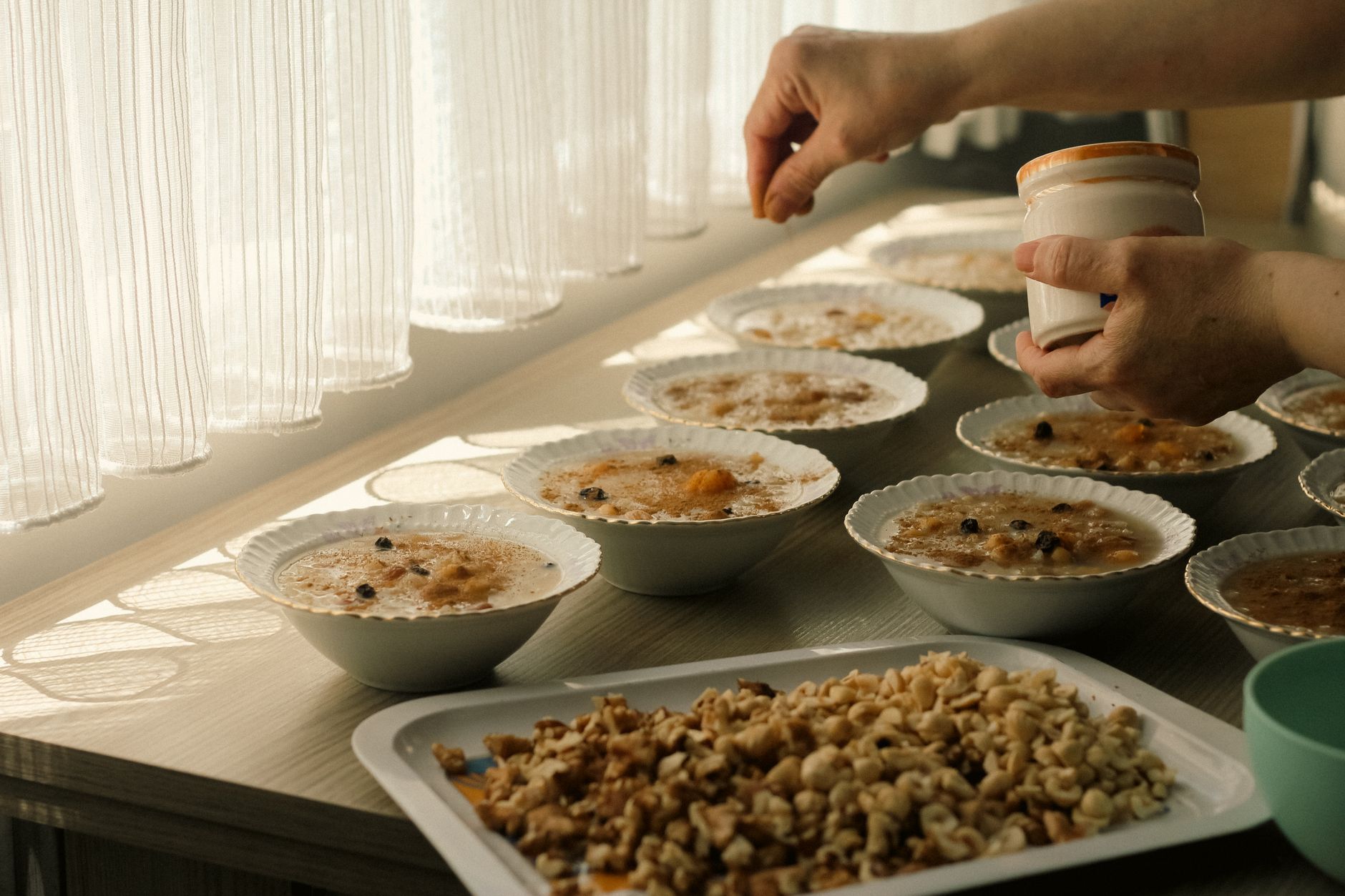
Oatmeal has long been praised for its numerous health benefits, often considered a staple breakfast choice. But is oatmeal easy to digest? Understanding oatmeal’s digestibility involves looking at its fiber content, portions, and how it’s prepared. This article delves into oatmeal’s qualities, its impact on digestion, and practical tips for making it easily digestible.
We will explore various factors affecting oatmeal’s digestibility and provide you with valuable information to help you enjoy this wholesome grain without discomfort. Whether you enjoy it savory or sweet, oatmeal can be a delightful addition to your diet, provided it’s prepared correctly.
Is Oatmeal Easy to Digest?
Yes, oatmeal is generally easy to digest for most people. It is a whole grain that contains soluble fiber, which can help in slowing down digestion but is often gentle on the stomach. However, factors such as the type of oats, preparation methods, and individual digestive systems can influence overall digestibility.
Understanding Oatmeal: Types and Their Effects on Digestion
Before diving into digestibility, it’s essential to understand the types of oatmeal available. Each type may affect digestion differently:
- Instant Oats: These oats are pre-cooked and often dehydrated, making them quick to prepare. They are usually easier to digest due to their lower fiber content compared to less processed forms.
- Rolled Oats: These oats are steamed and then rolled flat. They retain more fiber than instant oats, which can aid digestion, but some individuals might find them a bit bulkier.
- Steel-Cut Oats: Hailed for their nutty flavor and chewy texture, steel-cut oats undergo less processing and maintain a higher fiber content. They can take longer to digest due to their density, but are very nutritious.
- Scottish Oats: These are ground oats, giving them a finer texture. They are often easier to digest than steel-cut due to their smaller pieces.
Fiber and Digestion
Oatmeal is rich in dietary fiber, which can have both positive and negative effects on digestion. There are two types of fiber:
- Soluble Fiber: This type of fiber dissolves in water and forms a gel-like substance, which can help to lower cholesterol and stabilize blood sugar levels. It can slow down digestion, making you feel fuller longer but may also lead to gas and bloating in some individuals.
- Insoluble Fiber: Found in whole grains and the outer skins of grains, this fiber adds bulk to stool and promotes regularity. While beneficial, consuming too much insoluble fiber too quickly can be hard on the digestive system.
The balance of soluble and insoluble fiber in oatmeal contributes to its overall digestibility. Generally, oatmeal is a good source of soluble fiber, particularly beta-glucan, which can soothe the digestive system and improve gut health.
Portion Sizes Matter
The amount of oatmeal you consume also impacts its digestibility. A typical serving is about 1/2 cup of dry oats, which yields approximately 1 cup cooked. Eating too large a portion may overwhelm your digestive system, resulting in discomfort.
Consider starting with a smaller portion if you are new to oatmeal or have a sensitive digestive tract. Gradually increase your serving size as your body becomes accustomed to fiber. Here are some suggestions on portion sizes:
- Standard Breakfast Serving: 1/2 cup (dry) of rolled or steel-cut oats.
- Mix-Ins: Add fruits, nuts, or seeds to enhance the nutritional profile without overwhelming fiber intake.
- Snacking: Small portions for an oatmeal-based snack, such as oatmeal bars, can be around 1/4 cup.
Preparation Techniques for Easy Digestion
The way you prepare oatmeal plays a significant role in its digestibility. Here are some methods and tips to ensure your oatmeal is easy on your stomach:
1. Soaking Oats
Soaking oatmeal overnight can significantly enhance digestibility. This process allows enzymes to break down some of the starches, making the oats easier to digest. It can also help reduce anti-nutrients that may inhibit nutrient absorption.
2. Cooking Time
Cooking oatmeal thoroughly is essential. Properly cooked oats tend to be softer and easier to digest. Steel-cut oats typically require longer cooking times, while instant oats can be ready in just a few minutes. Follow these general cooking times:
- Instant Oats: 1-2 minutes
- Rolled Oats: 5-10 minutes
- Steel-Cut Oats: 20-30 minutes
3. Use of Liquid
Using more water or milk while cooking oatmeal can produce a smoother, creamier texture that may be easier to digest. Thinner oatmeal can help prevent any lumpiness that might be hard on digestion. A general ratio is:
- 1 part oats to 2-3 parts liquid for rolled oats.
- 1 part steel-cut oats to 4 parts liquid.
4. Additional Ingredients
Incorporating ingredients that are gentle on the stomach can also improve digestion. Consider the following:
- Bananas: This fruit is rich in potassium and can enhance the digestive process by adding natural sweetness.
- Yogurt: Adding probiotic-rich yogurt can promote gut health and make oatmeal more digestible.
- Nut Milks: Almond or coconut milk can make oatmeal creamier and possibly easier on some digestive systems compared to cow’s milk.
Common Digestion-Related Concerns
Even with its myriad benefits, oatmeal can cause some individuals to experience digestive issues. Here are common concerns along with how to mitigate them:
1. Bloating and Gas
People with sensitive digestive systems may experience bloating or gas after consuming oatmeal. To reduce this, try these strategies:
- Introduce oatmeal gradually into your diet to allow your gut to adapt.
- Choose less fibrous oatmeal types initially, such as instant oats or rolled oats, before transitioning to steel-cut varieties.
2. Constipation
In some cases, a sudden increase in fiber can lead to constipation. Counteract this effect by:
- Staying hydrated: Drink plenty of water, especially when increasing fiber intake.
- Pacing your fiber consumption: Balance oatmeal with other fiber sources gradually.
3. Allergies and Sensitivities
Certain individuals may have allergies or sensitivities to gluten, particularly in cross-contaminated oats. For those affected, gluten-free oatmeal options are available and cater to gluten sensitivity.
Enhancing Digestibility with Flavor and Texture
Aside from cooking techniques, consider flavor and texture pairings to make oatmeal more enjoyable and easier on your digestive system. Here are suggestions:
- Cinnamon: This spice not only adds a warm flavor but may also aid digestion through its anti-inflammatory properties.
- Honey or Maple Syrup: Use natural sweeteners in moderation to enhance flavor without harsh additives.
- Nuts and Seeds: Adding a small amount of finely chopped nuts or seeds can provide healthy fats that support digestion but should be used sparingly to avoid excess fiber.
Oatmeal Recipes for Easy Digestion
Now that we’ve covered the factors affecting oatmeal’s digestibility, let’s look at some simple recipes that focus on ease of preparation and digestibility.
1. Overnight Oats
Overnight oats are a fantastic way to prepare oatmeal for easy digestion. This no-cook method allows flavors to meld and softens the oats for a smoother texture. Here’s a basic recipe:
- Ingredients:
- 1/2 cup rolled oats
- 1 cup almond milk (or any milk of choice)
- 1 tablespoon chia seeds
- 1 ripe banana, sliced
- 1 teaspoon honey or maple syrup (optional)
- In a mason jar or container, mix oats, almond milk, chia seeds, and honey or syrup if using.
- Add sliced bananas on top, and stir to combine.
- Cover and refrigerate overnight.
- In the morning, enjoy cold or heat gently in the microwave.
2. Creamy Banana Oatmeal
This recipe incorporates banana into the cooking process, ensuring a creamy texture that supports easy digestion.
- Ingredients:
- 1/2 cup rolled oats
- 1 cup water or milk
- 1 ripe banana, mashed
- 1/2 teaspoon cinnamon
- Honey or maple syrup to taste (optional)
- Chopped nuts for topping (optional)
- In a small pot, combine oats and water or milk. Bring to a boil.
- Reduce heat to low, stir in mashed banana and cinnamon.
- Simmer for about 5-7 minutes until oats are cooked and creamy.
- Sweeten with honey or syrup if desired, and top with chopped nuts.
3. Savory Oatmeal Bowl
For those who prefer savory dishes, this oat bowl incorporates gentle ingredients and healthy toppings.
- Ingredients:
- 1/2 cup steel-cut oats
- 2 cups vegetable or chicken broth
- 1/2 cup sautéed spinach or kale
- 1 fried egg (optional)
- Salt and pepper to taste
- In a saucepan, bring broth to a boil. Add steel-cut oats and reduce heat to low.
- Simmer for 20-30 minutes until desired consistency is reached.
- Top with sautéed spinach or kale, and add a fried egg for extra protein.
Storage and Reheating Guidelines
Proper storage and reheating are vital for maintaining oatmeal’s quality and digestibility. Here are some quick tips:
- Store cooked oatmeal in an airtight container in the refrigerator for up to 3-5 days.
- Reheat in the microwave with a splash of additional water or milk to restore creaminess.
- For overnight oats, they can be kept in the fridge for up to 3 days, optimizing flavors while retaining a smooth texture.
Conclusion
Oatmeal can be an easy-to-digest, nutritious part of your diet when prepared correctly. Understanding the types of oats, appropriate portion sizes, and effective cooking techniques can significantly enhance digestibility. By gradually introducing oats into your diet and experimenting with different recipes and preparations, you can enjoy this wholesome grain without discomfort.
For more delicious recipes, consider checking out our Oatmeal Cream Pie Recipe or exploring a refreshing Chia Pudding Recipe with Coconut Milk. Food can be a satisfying and enjoyable journey when you learn how to prepare it mindfully!