
Syrup is a popular sweetener that many people use in various dishes, especially for breakfast items like pancakes and waffles. With the rise of veganism, questions about whether syrup is vegan-friendly have become more common. In this article, we will delve into the different types of syrup, their ingredients, what to look for on labels, and explore some vegan alternatives.
Understanding whether syrup qualifies as vegan requires examining its ingredients and production methods. While some syrups are purely plant-based, others may contain non-vegan additives or be processed with animal products. Let’s break it down.
Is Syrup Vegan?
Whether syrup is vegan largely depends on its ingredients. Most pure maple syrups are considered vegan since they are derived from the sap of maple trees. However, some flavored syrups or specialty blends may include animal-derived products. It’s essential to check ingredients and production processes to confirm their vegan status.
Types of Syrup
Syrups can be broadly categorized into several types, each with different ingredients and methods of production. Here’s a closer look at some of the most common types:
1. Maple Syrup
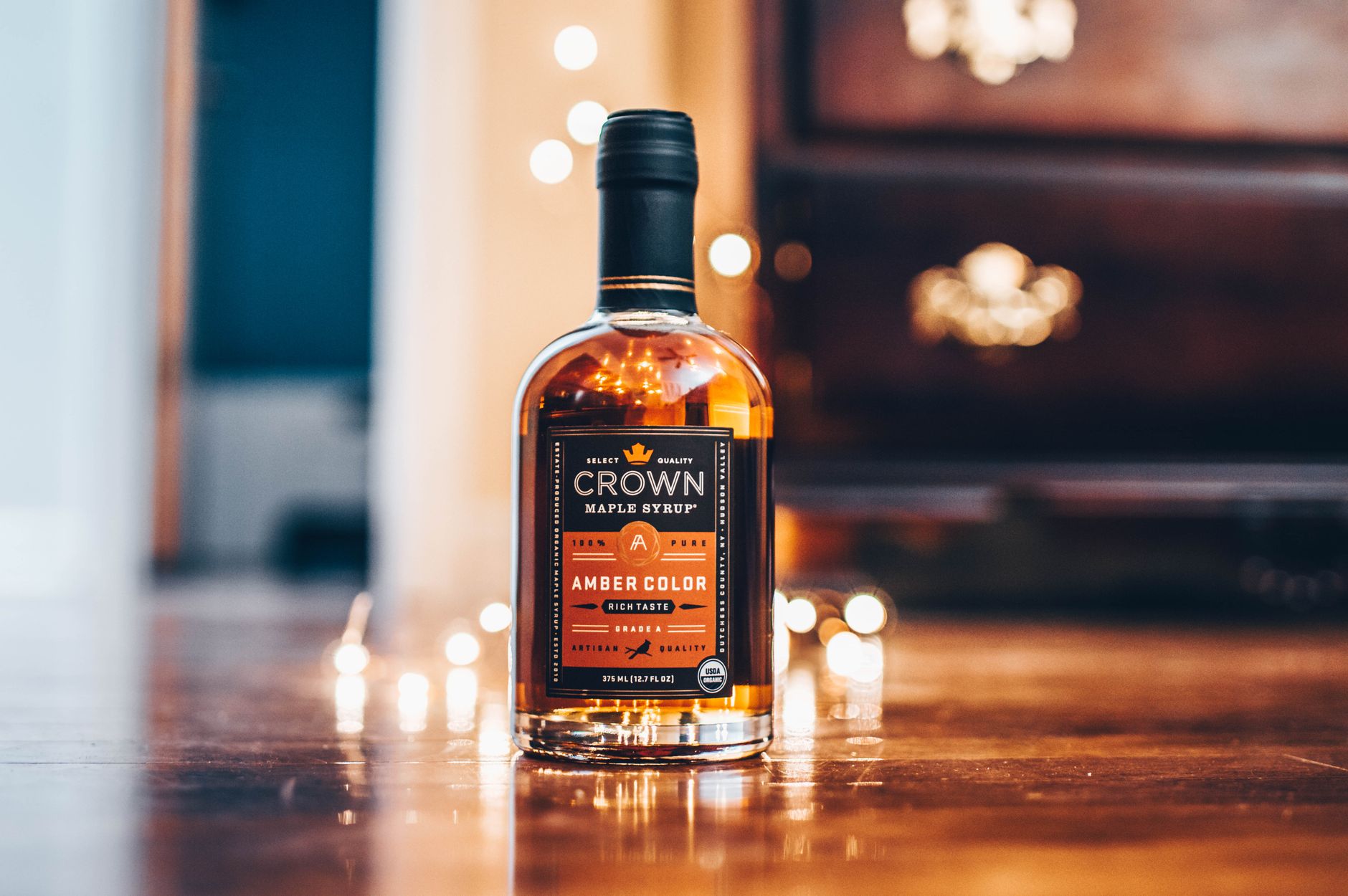
Made from the sap of sugar maple trees, maple syrup is typically 100% vegan. It is collected during the sap flow season in early spring and then boiled down to create the sweet syrup we all love.
2. Agave Syrup
Agave syrup, often called agave nectar, is derived from the agave plant. It is a popular vegan sweetener as it contains no animal products. Agave syrup is known for its mild flavor and is sweeter than sugar, making it a great alternative in various recipes.
3. Corn Syrup
Corn syrup is a sweetener made from cornstarch and is vegan. However, it is high in fructose and is often criticized for being unhealthy. It’s used in many processed foods, so ingredient scrutiny is crucial.
4. Cane Syrup
Cane syrup comes from sugarcane juice and is usually considered vegan. However, some sugar processing methods involve bone char, raising concerns for strict vegans. Look for organic or unrefined cane syrup to feel more confident about its vegan status.
5. Molasses
Molasses is a byproduct of sugar extraction and is usually vegan. It has a robust flavor and is rich in nutrients and minerals. Blackstrap molasses, in particular, is lauded for its health benefits.
6. Flavored Syrups
Flavored syrups, often used in coffee or as toppings, might contain dairy or other non-vegan additives. For instance, some vanilla syrups may use dairy cream or milk products. Always check the ingredient list for any animal-derived ingredients.
7. Commercial Syrups
Commercial pancake syrups may contain additives such as artificial flavors, colors, and preservatives. Check for vegan verification and ingredient lists to be sure they align with your dietary standards.
Common Ingredients to Avoid
When determining if syrup is vegan, be mindful of specific ingredients that may indicate animal-derived components. Here are some common ingredients to watch out for:
- Dairy: Whey, casein, or any milk derivatives.
- Honey: Often used in flavored syrups, honey is not vegan.
- Gelatin: Used as a thickener in some syrups and is derived from animal bones.
- Shellac: Sometimes found in shiny glazes on candies and may appear in syrups.
Reading Labels on Syrups
When shopping for syrup, always check the labels to ensure they align with your dietary preferences. Here are some tips for reading syrup labels:
- Look for “100% Pure”: This indicates no additives, especially in maple syrup.
- Check for Certification: Products certified as vegan are reliable choices.
- Review Ingredients: Familiarize yourself with common ingredients to identify non-vegan components.
- Watch for Allergens: Some syrups may still contain allergens, so always read the label.
Popular Vegan Syrup Brands
Some brands are renowned for their vegan syrup options. These producers often emphasize transparency and provide high-quality, plant-based sweeteners:
- Maple Grove Farms: Known for pure maple syrup with no additives.
- Simply Organic: Offers organic agave syrup and other sweeteners.
- Wholesome Sweeteners: Provides a range of organic syrups including cane and agave options.
- Nature Nate’s: Specializes in raw, uncooked honey alternatives.
Vegan Alternatives to Traditional Syrup
If you’re looking to diversify your sweetener palette, there are several vegan alternatives available that can provide unique flavors and nutritional benefits:
- Agave Nectar: Works well in smoothies, desserts, and as a sweetener in beverages.
- Honey Alternatives: Various brands produce honey substitutes made mostly from plant extracts.
- Date Syrup: Made from dates, it provides a rich sweetness and can be used in baking.
- Coconut Nectar: Derived from coconut sap, it boasts a low glycemic index while adding a tropical flavor.
Recipes Using Vegan Syrups
Incorporating vegan syrups into your cooking can elevate your dishes while keeping with your dietary preferences. Here are three easy recipes that you can try:
Pancakes with Maple Syrup
A classic breakfast choice, pancakes paired with maple syrup create a warm and comforting dish that’s perfect for any morning.
- 1 cup all-purpose flour
- 2 tablespoons sugar
- 2 teaspoons baking powder
- 1/2 teaspoon salt
- 1 cup almond milk
- 2 tablespoons olive oil
- Maple syrup, for serving
- Mix the flour, sugar, baking powder, and salt in a bowl.
- Add almond milk and olive oil; stir until smooth.
- Pour 1/4 cup batter onto a hot, greased skillet. Cook until bubbles form, then flip and cook until golden.
- Serve warm pancakes with maple syrup drizzled on top.
Vegan Vanilla Simple Syrup
This simple syrup is great for sweetening drinks or drizzling over desserts.
- 1 cup water
- 1 cup sugar
- 1 tablespoon vanilla extract
- Combine water and sugar in a pot over medium heat. Stir until sugar dissolves.
- Remove from heat and add vanilla extract.
- Let it cool before transferring to a bottle for storage.
Fruit Salad with Agave Syrup
A refreshing fruit salad enhanced with agave syrup can be a delightful treat.
- 1 cup chopped strawberries
- 1 cup diced pineapple
- 1 cup blueberries
- 2 tablespoons agave syrup
- Juice of 1 lime
- Combine all fruit in a bowl.
- Drizzle agave syrup and lime juice over fruit and mix gently.
- Chill for 30 minutes before serving.
Common Mistakes and Troubleshooting
When choosing syrup or discussing its vegan status, here are some common pitfalls to avoid:
- Assuming all syrups are vegan: Always verify ingredient lists.
- Ignoring the processing methods: Some production processes might use animal-based filtering agents.
- Not considering the source: Not all brands are equal, so research brands before purchasing.
Storage and Shelf Life of Syrup
Proper storage is essential to ensure your syrup lasts as long as possible. Here are some tips on storing syrup:
- Refrigerate after opening: Most opened syrups should be kept in the refrigerator to prevent spoilage.
- Seal tightly: Make sure the bottle is tightly sealed to keep out contaminants.
- Check expiration dates: Always follow the expiration date on the syrup you purchase.
Summary of Vegan Syrup Choices
In summary, the viability of syrup as a vegan option hinges on its ingredients and production methods. Maple, agave, cane, and molasses syrups are largely vegan-friendly, while flavored and commercial varieties may require closer inspection. Always refer to ingredient labels and opt for brands that disclose their practices clearly.
Next time you’re in the market for syrup, remember to check the labels and feel confident in your selection. For a homemade touch, consider trying your hand at making maple syrup or vanilla simple syrup for your favorite dishes.