
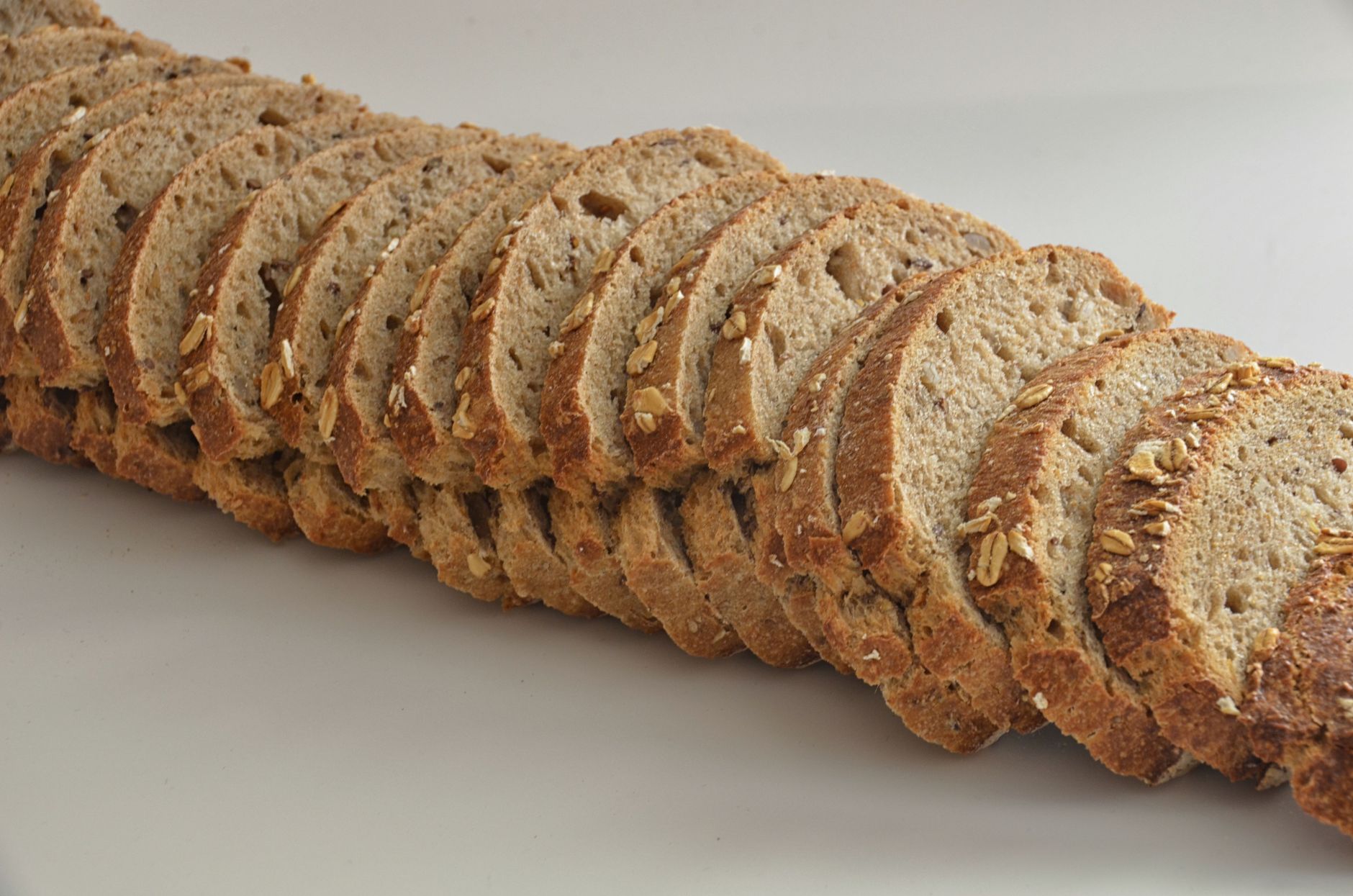
Multigrain bread has gained popularity as a healthier choice compared to its white bread counterpart. But is it genuinely healthier? This question has sparked considerable debate among nutritionists, health enthusiasts, and consumers alike.
This article explores the nutritional aspects of multigrain bread, its health benefits, and considerations regarding portions. By understanding what multigrain bread offers, you can make an informed decision about its place in your diet.
Is Multigrain Bread Healthy?
Yes, multigrain bread can be a healthy choice as it is made from various grains and seeds, providing diverse nutrients. However, the healthiness of multigrain bread largely depends on its ingredients and how it fits into your overall diet.
Understanding Multigrain Bread
Multigrain bread is made using a variety of grains, such as wheat, barley, millet, oats, and seeds like flax or sunflower. This combination can result in a rich flavor and unique textures. However, it’s essential to note that not all multigrain bread is created equal.
Whole Grains vs. Refined Grains
To determine the healthfulness of multigrain bread, it’s crucial to understand the difference between whole grains and refined grains. Whole grains contain the entire grain kernel — the bran, germ, and endosperm — providing more nutrients, such as fiber, vitamins, and minerals. Refined grains have been milled to remove the bran and germ, resulting in a finer texture but also a loss of nutrients.
When shopping for multigrain bread, look for options that specifically say “100% whole grain” or “whole grain” as the first ingredient. This ensures you are getting the benefits associated with whole grains.
Nutritional Benefits of Multigrain Bread
Multigrain bread can offer numerous health benefits, thanks to its diverse ingredients. Here are some key benefits:
- High Fiber Content: Multigrain bread often contains a significant amount of dietary fiber, which is crucial for digestive health. Fiber aids in regular bowel movements and can help prevent constipation.
- Rich in Nutrients: The variety of grains and seeds in multigrain bread contributes to a broader range of vitamins and minerals, including B vitamins, iron, magnesium, and zinc.
- Lower Glycemic Index: Whole grains typically have a lower glycemic index than refined grains. This means they can help maintain stable blood sugar levels, which can be particularly important for those managing diabetes.
- Heart Health: The healthy fats found in some seeds like flaxseed may reduce cholesterol levels and lower the risk of heart disease.
Portion Size Matters
Even though multigrain bread is healthy, portion control is important. Eating too much bread can add extra calories and carbohydrates to your diet, which can lead to weight gain and other health issues. The recommended serving size for bread is typically one slice, depending on the thickness and overall size of the loaf.
Tips for Portion Control
- Read Labels: Pay attention to the serving size on the nutrition label and try to stick to it when enjoying multigrain bread.
- Pair Wisely: If you enjoy your multigrain bread with high-calorie toppings like butter or sugary spreads, consider limiting the portion of those additives.
- Use as Part of a Balanced Meal: Incorporate bread into a meal that includes lots of vegetables and lean proteins to create a balanced dish.
Common Misconceptions About Multigrain Bread
As with many food products, there are misconceptions about multigrain bread that can mislead consumers. Here are a few debunked myths:
1. Multigrain Equals Whole Grain
Not all multigrain bread is whole grain. Some varieties may have only a small amount of whole grains but are primarily made of refined flour. Always verify ingredient labels.
2. It’s Calorie-Free or Low-Calorie
While multigrain bread may have health benefits, it is not calorie-free. Each slice can contain around 70-120 calories, depending on the recipe. Moderation is essential.
3. It’s Only for Health Enthusiasts
Multigrain bread can be enjoyed by anyone, not just those on restrictive diets. It can be a tasty and nutritious addition to meals for anyone looking to incorporate more whole grains into their diet.
How to Choose the Right Multigrain Bread
When selecting a multigrain bread, there are a few factors to consider:
- Ingredient Quality: Look for breads that contain whole grains as the primary ingredient and minimal additives, preservatives, and sugars.
- Nutritional Content: Compare the fiber, protein, and sugar content. Aim for at least 3 grams of fiber and low added sugars.
- Texture and Flavor: Multigrain bread can come in various textures, from dense to light. Choose the one that appeals to you while ensuring it remains healthy.
Making Multigrain Bread at Home
Making multigrain bread at home allows you to control the ingredients and customize it to your taste preferences. Here’s a basic overview of how to approach home baking:
Basic Equipment Needed
- Mixing bowl
- Measuring cups and spoons
- Dough mixer or wooden spoon
- Baking pan (typically 9×5 inches)
- Oven thermometer
Simple Recipe for Homemade Multigrain Bread
Yield: 1 loaf | Preparation Time: 15 minutes | Baking Time: 30-35 minutes | Total Time: 45-50 minutes (plus 1 hour for rising)
Ingredients
- 1 cup warm water (110°F/45°C)
- 2 teaspoons active dry yeast
- 2 tablespoons honey or maple syrup
- 2 tablespoons olive oil
- 2 cups whole wheat flour
- 1 cup all-purpose flour
- 1 cup assorted seeds (sunflower, chia, flax)
- 1 teaspoon salt
Instructions
- In a mixing bowl, combine warm water, yeast, and honey. Allow it to sit for about 5-10 minutes until foamy.
- Stir in olive oil, whole wheat flour, and salt.
- Add the variety of seeds and mix until combined. Gradually add all-purpose flour until the dough starts to form.
- Knead dough on a floured surface for about 8-10 minutes until smooth and elastic.
- Place the dough in a lightly greased bowl, cover it with a cloth, and let it rise in a warm place for about 1 hour, or until doubled in size.
- Punch down the dough and transfer it to a greased loaf pan. Cover and let rise for another 30-45 minutes.
- Preheat the oven to 375°F (190°C). Bake for 30-35 minutes until the bread sounds hollow when tapped or has a golden crust.
- Remove from the oven and let cool on a wire rack before slicing.
Storage Tips for Multigrain Bread
Proper storage helps maintain the freshness of your multigrain bread. Follow these guidelines:
- Room Temperature: Keep bread in a cool, dry place in a breadbox or sealed plastic bag to avoid staling.
- Freezing: If you won’t finish the loaf within a week, slice the bread and store it in an airtight bag in the freezer. Thaw it at room temperature or toast it directly from frozen.
Potential Drawbacks of Multigrain Bread
Despite its benefits, multigrain bread may have drawbacks for some. Here are a few:
- Allergies or Sensitivities: Individuals with gluten intolerance or wheat allergies should avoid bread made with wheat or gluten-containing grains.
- High Caloric Density: As mentioned earlier, consuming bread in excess can contribute to caloric overload, especially when paired with calorie-dense toppings.
- Manufacturing Variability: The nutritional quality of store-bought multigrain bread can vary significantly between brands. Some may include unhealthy additives.
How to Incorporate Multigrain Bread into Your Diet
Integrating multigrain bread into your day-to-day diet can be simple. Here are ideas for utilizing this nutritious bread:
- Breakfast: Use it for toast topped with avocado or Nutbutter and banana slices.
- Lunch: Create a hearty sandwich with lean meats, vegetables, and healthy spreads.
- Dinner: Serve warm slices alongside soups, stews, or salads.
- Snacks: Enjoy it with hummus or a spread of your choice for a nutritious afternoon snack.
Common Mistakes to Avoid with Multigrain Bread
When it comes to incorporating multigrain bread into your diet, consider avoiding these pitfalls:
- Ignoring Ingredients: Always read ingredient labels to ensure you are choosing a true multigrain and whole grain option.
- Overindulging: Keep a check on portion sizes to avoid excessive calorie intake.
- Neglecting Variety: Don’t make multigrain bread the only source of grains in your diet, as different grains offer unique nutrients.
In summary, multigrain bread can be a nutritious addition to your diet, providing essential nutrients and dietary fiber. Remember to choose carefully, monitor portion sizes, and incorporate it into a balanced diet for the best health benefits. By understanding what multigrain bread has to offer, you can confidently enjoy this delicious and versatile food.
If you’re interested in expanding your healthy baking repertoire, consider trying out an einkorn bread recipe or a honey wheat bread recipe. These alternatives can introduce even more variety and nutrition to your meals.