
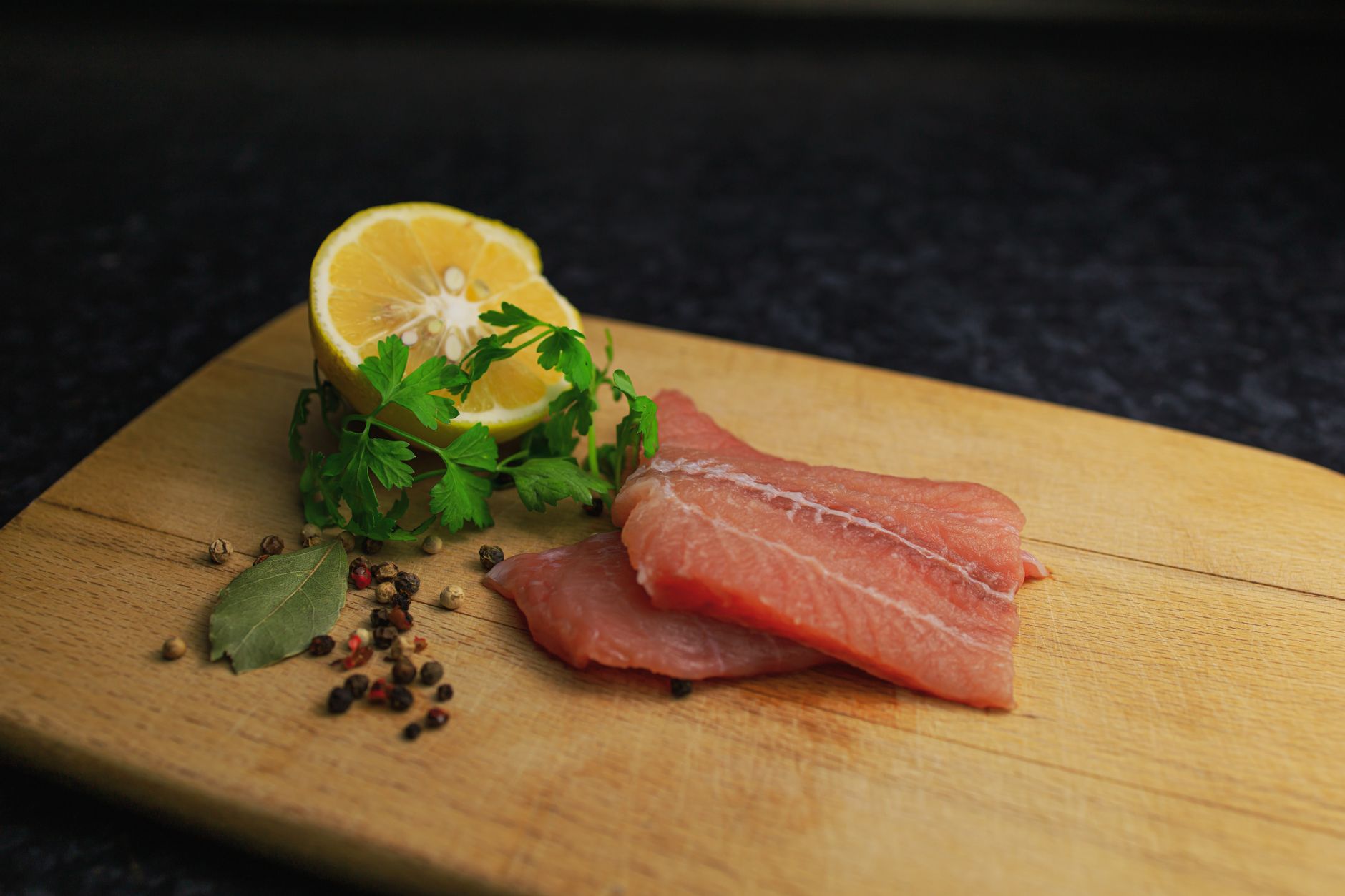
Mahi Mahi, also known as dorado or dolphin fish, is a popular choice for seafood lovers due to its mild flavor and firm texture. It’s often enjoyed grilled, baked, or pan-seared and pairs well with a variety of seasonings and sides. But aside from its culinary appeal, many people wonder: is Mahi Mahi healthy?
This article explores the nutritional profile of Mahi Mahi, appropriate portion sizes, health considerations, and why this fish can be a great addition to your diet.
Is Mahi Mahi Healthy?
Yes, Mahi Mahi is considered a healthy fish option. It is low in calories, high in protein, and a good source of essential nutrients like omega-3 fatty acids. Additionally, it contains vitamins and minerals that contribute to overall health. However, as with any seafood, it’s important to consider sustainability and potential contaminants.
Nutritional Profile of Mahi Mahi
Mahi Mahi is not only delicious but also packed with nutrients. Here’s a breakdown of what you can expect in a 3-ounce (85 grams) serving of cooked Mahi Mahi:
- Calories: Approximately 90 calories
- Protein: About 20 grams
- Fat: Around 1 gram (mostly unsaturated fats)
- Omega-3 Fatty Acids: Approximately 0.4 grams
- Vitamin B12: 20% of the daily value
- Selenium: 28% of the daily value
- Phosphorus: 15% of the daily value
The high protein content in Mahi Mahi makes it an excellent choice for those looking to support muscle growth and repair. The omega-3 fatty acids present in the fish are known for their heart-healthy benefits, including lowering blood pressure and reducing the risk of heart disease.
Health Benefits of Eating Mahi Mahi
Incorporating Mahi Mahi into your diet can provide numerous health benefits:
1. Heart Health
The omega-3 fatty acids found in Mahi Mahi help reduce inflammation and may contribute to lower cholesterol levels. This can have a positive impact on heart health, making Mahi Mahi a heart-friendly choice.
2. Weight Management
Mahi Mahi is low in calories but high in protein, which means it can keep you feeling full and satisfied without adding excessive calories. This makes it easier to manage your weight while enjoying delicious meals.
3. Rich in Nutrients
With significant amounts of vitamins and minerals—especially vitamin B12 and selenium—Mahi Mahi can support various bodily functions, including energy production and immune function.
4. Easy to Prepare
Mahi Mahi is versatile and easy to cook, making it a great protein source for quick weeknight meals. Its firm texture allows it to hold up well to various cooking methods.
Portion Sizes and Serving Suggestions
When serving Mahi Mahi, it’s essential to consider the recommended portion size. A serving of fish is generally around 3 to 4 ounces for an adult. Here are some serving suggestions that enhance the flavors of Mahi Mahi:
- Grilled Mahi Mahi with a mango salsa
- Pan-seared Mahi Mahi served over a bed of quinoa and steamed vegetables
- Baked Mahi Mahi with a lemon-dill sauce
- In fish tacos topped with cabbage slaw and avocado
With its mild flavor, Mahi Mahi pairs well with citrus, herbs, and spices, allowing you to experiment with a variety of cuisines.
Considerations When Consuming Mahi Mahi
While Mahi Mahi is generally a healthy choice, there are several considerations to keep in mind:
1. Mercury Content
Like many fish, Mahi Mahi can contain mercury, a heavy metal that can be harmful in high amounts. It’s recommended to limit your intake to one or two servings a week, especially if you are pregnant or breastfeeding.
2. Sustainability
Overfishing raises concerns regarding many fish species, including Mahi Mahi. When purchasing, look for sustainably sourced Mahi Mahi. The Marine Stewardship Council (MSC) certification can be a helpful guide.
3. Allergies and Dietary Restrictions
As with any seafood, some individuals may be allergic to Mahi Mahi. If you have a known fish allergy or experience adverse reactions, avoid consuming this fish. Additionally, some dietary preferences may restrict fish consumption for ethical or health reasons.
How to Prepare Mahi Mahi
Cooking Mahi Mahi is straightforward, as it can be prepared using various techniques. Below are some popular methods with step-by-step instructions.
Grilling Mahi Mahi
Grilling enhances the natural flavors of Mahi Mahi and adds a delightful smokiness. Here’s how to grill Mahi Mahi:
- Preheat your grill to medium-high heat (about 375 to 450 degrees Fahrenheit).
- Brush the Mahi Mahi fillets with olive oil and season with salt, pepper, and your choice of herbs (like thyme or oregano).
- Place the fillets on the grill and cook for about 4 to 5 minutes per side, depending on thickness.
- The fish is done when it flakes easily with a fork, and the internal temperature reaches 145 degrees Fahrenheit.
Baking Mahi Mahi
Baking is another great technique that allows you to add flavorful toppings. Here’s a simple baked Mahi Mahi recipe:
- Preheat the oven to 375 degrees Fahrenheit.
- Place the Mahi Mahi fillets in a baking dish. Season with lemon juice, garlic, and herbs.
- Cover the dish with foil and bake for about 20 to 25 minutes, or until the fish becomes opaque and flakes easily.
Pan-Seared Mahi Mahi
Pan-searing creates a crispy exterior while keeping the inside tender. Here’s how:
- Heat a skillet over medium-high heat and add a tablespoon of olive oil.
- Season the Mahi Mahi fillets and place them in the skillet.
- Cook for 4 to 5 minutes on each side or until golden brown and cooked through.
Common Mistakes When Cooking Mahi Mahi
Cooking Mahi Mahi can be simple, but avoiding these common mistakes will ensure you achieve the best results:
- Overcooking: This can lead to dry, tough fish. Use a food thermometer to check for an internal temperature of 145 degrees Fahrenheit.
- Not seasoning: Mahi Mahi has a mild flavor, so don’t skip seasoning to enhance its taste.
- Not preparing the grill or pan properly: Ensure the grill is well-oiled, and the pan is heated before adding the fish to prevent sticking.
Storage and Reheating Tips
If you have cooked Mahi Mahi leftovers, here are storage and reheating guidelines to follow:
- Store cooked Mahi Mahi in an airtight container in the refrigerator for up to 3 days.
- If freezing, wrap the fillets tightly in aluminum foil or freezer-safe plastic, where they can last for about 2-3 months.
- When reheating, do so gently in the oven at a low temperature (about 300 degrees Fahrenheit) to avoid overcooking.
Conclusion
Mahi Mahi is a nutritious, versatile, and flavorful seafood option that can be incorporated into a healthy diet. With its low calorie count and rich protein content, it supports various health benefits while satisfying your taste buds. By considering portion sizes, ensuring sustainable sourcing, and properly preparing the fish, you can enjoy Mahi Mahi as a healthy and delicious meal choice.
Explore more about preparing Mahi Mahi and other seafood options, such as this oven-baked Mahi Mahi recipe or discover new flavors with the ahi tuna recipe.