
When baking or cooking, you may find yourself in a situation where you don’t have the desired sugar type on hand. One common question is whether powdered sugar can be used instead of granulated sugar. Understanding the differences between these two sugars will help you make informed substitutions in your recipes.
This article will explore the differences and similarities between powdered sugar and granulated sugar, discuss when and how to use powdered sugar as a substitute, and provide some practical tips for baking and cooking with these sugars.
Can You Use Powdered Sugar Instead of Granulated Sugar?
Yes, you can use powdered sugar instead of granulated sugar, but it’s important to understand the differences in texture and sweetness. Powdered sugar, also known as confectioners’ sugar, is finely ground granulated sugar mixed with a small amount of cornstarch to prevent clumping. This results in a lighter texture and a slightly different flavor profile.
Understanding Sugar Types
Granulated Sugar
Granulated sugar is the most common form of sugar used in baking and cooking. It has a coarse texture, is crystalline in nature, and dissolves well in liquids. It is often used in recipes for cakes, cookies, and other pastries where structure and sweetness are needed.
Powdered Sugar
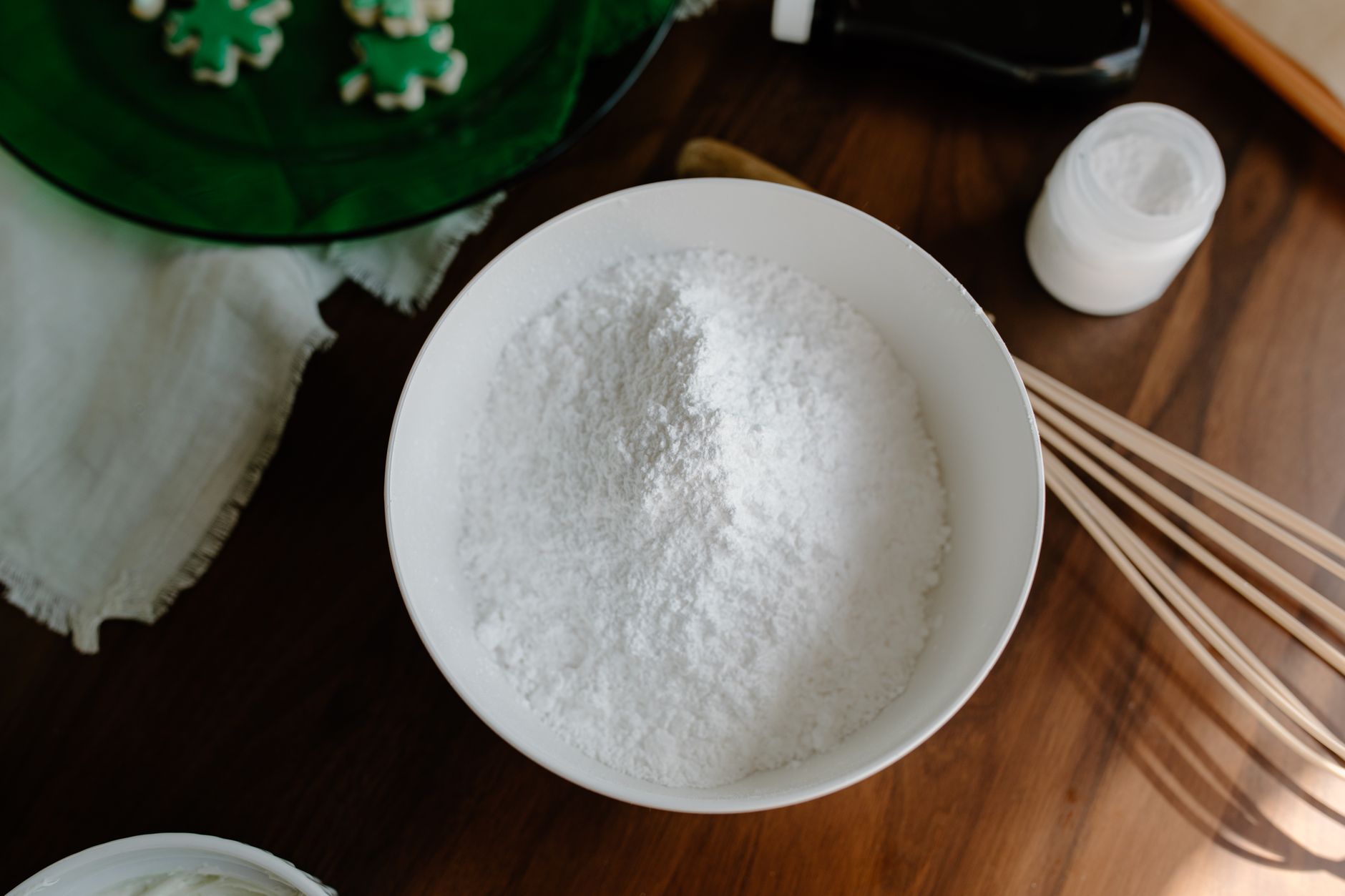
Powdered sugar, on the other hand, has a much finer texture than granulated sugar. Its primary use is in frostings, glazes, and dustings due to its ability to dissolve quickly and create a smooth texture. The added cornstarch helps to keep it flowing and gives it a slightly different mouthfeel compared to granulated sugar.
Flavor and Texture Differences
The primary difference between the two sugars lies in their texture and how they dissolve. Granulated sugar gives a certain crunch in baked goods and desserts, whereas powdered sugar creates a smoother, creamier texture. Additionally, powdered sugar is sweeter than granulated sugar. This means that if you substitute one for the other, you should consider adjusting the quantity.
When to Use Powdered Sugar Instead of Granulated Sugar
Using powdered sugar instead of granulated sugar might work in specific situations, ideally when a recipe requires a smooth texture or where the sugar needs to dissolve quickly. Here are common scenarios where powdered sugar can be an appropriate substitute:
- Frostings and Icings: Powdered sugar is essential for creating smooth frostings and glazes.
- Whipped Toppings: Use powdered sugar instead of granulated sugar to sweeten whipped cream for a finer texture.
- Meringues: Meringue recipes typically call for powdered sugar due to its ability to dissolve quickly, resulting in a fluffy texture.
- Dusting: Use powdered sugar for dusting cakes and desserts to add sweetness without altering their structure.
Substitution Guidelines
When substituting powdered sugar for granulated sugar in recipes, it’s important to remember that because the two sugars have different sweetness levels, you’ll need to adjust the quantities. Here’s a guideline:
- If a recipe calls for 1 cup of granulated sugar, you can substitute it with about 1 ¾ cups of powdered sugar.
- For recipes needing precise measurements, such as delicate baked goods, it may be better to stick to the original sugar type.
Practical Tips for Substituting Sugars
Here are some helpful tips for successfully substituting powdered sugar for granulated sugar:
- Texture Awareness: Remember that powdered sugar will change the texture of your final product. If a recipe depends on sugar for structure, such as cakes or cookies, granulated sugar is usually the better choice.
- Combine with Other Ingredients: If using powdered sugar in a recipe that includes a significant amount of liquid, like a sauce or custard, it may work well, as the sugar dissolves quickly.
- Sifting: Always sift powdered sugar before using it in recipes to avoid clumps and ensure even distribution.
Common Mistakes to Avoid
When substituting powdered sugar for granulated sugar, there are a few typical pitfalls to be aware of:
- Over-Sweetening: Because powdered sugar is finer and sweeter, be cautious with the amount you use. Always taste-test and adjust according to your personal preference.
- Texture Issues: Using powdered sugar in recipes that require a crunchy texture, like certain cookies or crisps, will lead to disappointing results.
- Incorrect Measurements: Accurately measure powdered sugar as it can compact in the cup, leading you to use more sugar than needed.
Flavor Variations and Alternatives
If you’re seeking alternatives to both granulated and powdered sugar, consider the following options that can also affect flavor and texture:
- Brown Sugar: Offers a different sweetness and moisture content. It can be substituted in equal amounts for granulated sugar, but it will add a slight molasses flavor.
- Coconut Sugar: A natural alternative with a lower glycemic index. This can be used in a one-to-one ratio for granulated sugar but may affect the color and texture of your dish.
- Agave Nectar or Honey: Both are liquid sweeteners. For every cup of granulated sugar, reduce the liquid in the recipe by about ¼ cup and use 2/3 cup of agave or honey.
Practical Uses of Powdered Sugar
Powdered sugar is versatile and has many uses in both sweet and savory dishes:
Icing and Frosting
When making icing or frosting, powdered sugar is a must. For a basic buttercream frosting, combine:
- 1 cup unsalted butter, softened
- 4 cups powdered sugar
- 1 teaspoon vanilla extract
- 2 tablespoons milk (or more for desired consistency)
Dusting and Decoration
Sprinkling powdered sugar over desserts not only adds sweetness but also enhances presentation. Use it for:
- Cakes
- Scones
- Pancakes and waffles
Homemade Whipped Cream
To sweeten homemade whipped cream, use powdered sugar for a perfect texture. Mix:
- 1 cup heavy whipping cream
- 2 tablespoons powdered sugar
- 1 teaspoon vanilla extract
In Creamy Dressings
Powdered sugar can also add sweetness to creamy salad dressings, enhancing flavors. Create a simple honey mustard dressing by blending:
- ¼ cup mayonnaise
- ¼ cup plain yogurt
- 2 tablespoons honey
- 1 tablespoon powdered sugar
- 1 tablespoon mustard
- Salt and pepper to taste
Long-Term Storage of Sugars
Both granulated and powdered sugar can last a long time when stored properly. For best results:
- Keep sugars in cool, dry places, preferably in airtight containers to prevent moisture from drawing them into clumps.
- Label containers with the date of purchase to keep track of freshness, although properly stored sugars can remain good indefinitely.
Conclusion
To sum up, while you can use powdered sugar instead of granulated sugar, it’s essential to consider adjustments in quantity and the impact it will have on texture and sweetness. Each type of sugar plays a unique role in recipes, and understanding those roles is key to successful baking and cooking.
Next time you find yourself in a pinch without granulated sugar, remember these guidelines, and feel free to experiment in the kitchen with your powdered sugar stash.
For additional cooking inspiration, explore our powdered sugar icing recipe or check out our sugar cookie frosting recipe for more delicious ideas.