
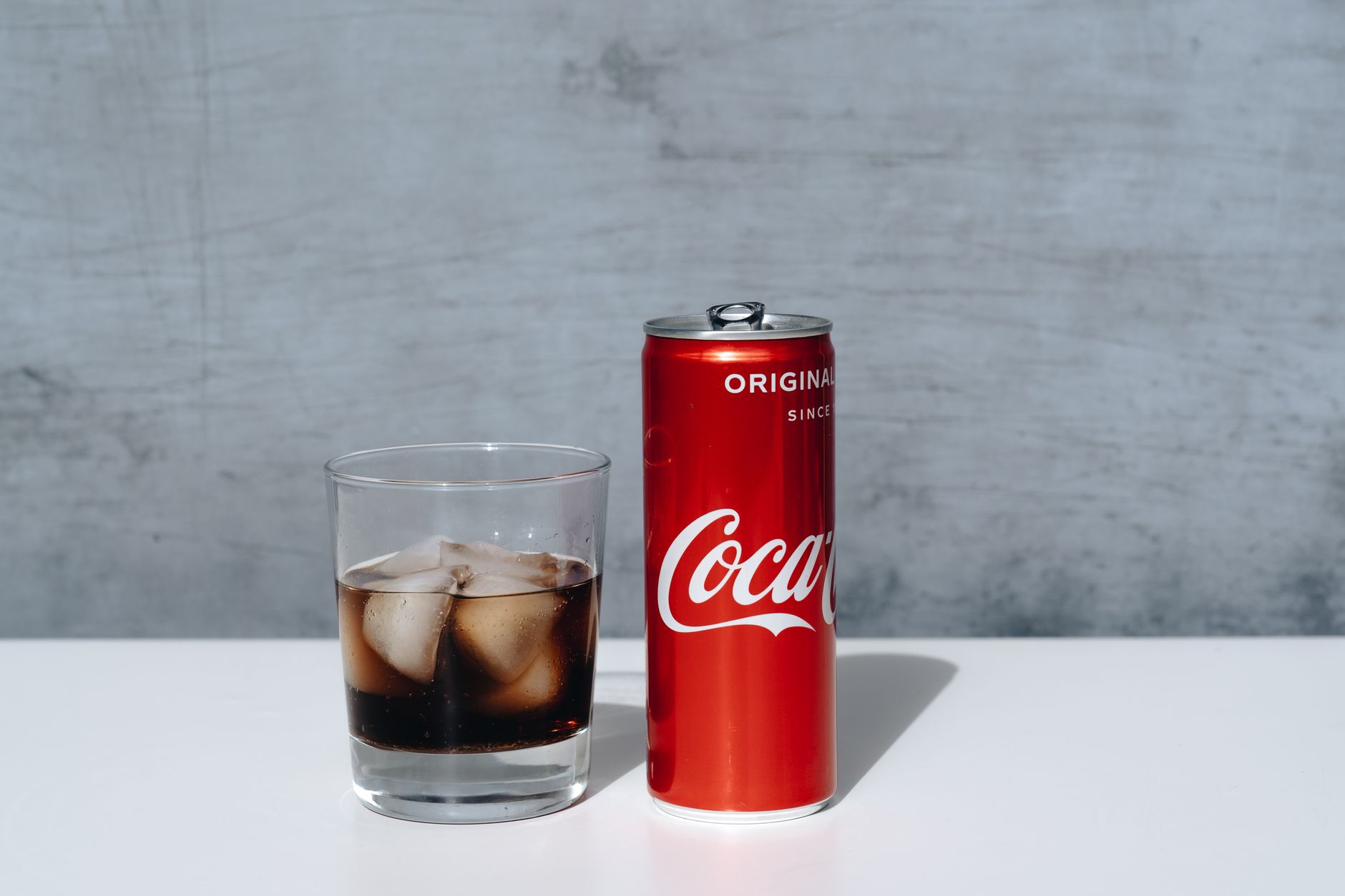
Caffeine is a popular stimulant found in many beverages, including soft drinks. One of the most recognizable brands is Coca-Cola, known for its refreshing taste and wide variety of flavors. Understanding how much caffeine is in Coke, along with the different serving sizes, can help you make informed choices on your caffeine consumption.
This article will delve into the caffeine content of various Coke products, compare them to other popular beverages, and discuss factors that affect caffeine sensitivity. Whether you’re curious about your daily caffeine intake or considering alternatives, we have you covered.
How Much Caffeine Is in Coke?
On average, a standard 12-ounce (355 ml) can of Coca-Cola contains about 34 mg of caffeine. Variants like Diet Coke contain slightly more caffeine at approximately 46 mg per 12-ounce serving. It’s essential to note that different flavors and formulas of Coke may alter these values slightly.
Caffeine Content in Different Coca-Cola Products
To give you a clearer picture of how much caffeine is in Coke, here is a breakdown of the caffeine content in various Coca-Cola products:
| Product | Caffeine (mg per 12 oz) |
|---|---|
| Coca-Cola Classic | 34 |
| Diet Coke | 46 |
| Coke Zero Sugar | 34 |
| Coca-Cola Vanilla | 34 |
| Coca-Cola Cherry | 34 |
| Coca-Cola Orange Vanilla | 34 |
| Coca-Cola with Coffee | 69 |
Comparison with Other Beverages
Understanding how Coca-Cola’s caffeine content compares to other popular beverages can help gauge your choices. Here’s a quick reference on the caffeine content in various drinks:
| Beverage | Caffeine (mg per serving) |
|---|---|
| 8 oz Coffee (brewed) | 95 |
| 8 oz Tea (black) | 40-70 |
| 8 oz Energy Drink | 80-160 |
| 12 oz Mountain Dew | 54 |
| 12 oz Dr Pepper | 41 |
As you can see, Coca-Cola has a lower caffeine content compared to coffee and some energy drinks. However, it contains a similar amount of caffeine as certain teas, making it a relatively moderate option for caffeine seekers.
Factors Affecting Caffeine Sensitivity
Caffeine sensitivity varies among individuals. While some can consume multiple servings of caffeinated beverages without feeling any negative effects, others may experience jitters or anxiety from a single cup. Here are a few factors that influence caffeine sensitivity:
- Genetics: Some people metabolize caffeine faster than others due to genetic differences, which can affect tolerance levels.
- Body Weight: Generally, lighter individuals may feel the effects of caffeine more acutely than heavier individuals.
- Age: Younger individuals may process caffeine more efficiently than older adults who may experience heightened sensitivity.
- Health Conditions: Certain medical conditions, such as anxiety disorders or heart conditions, may heighten sensitivity to caffeine.
- Pregnancy: Pregnant women are often advised to limit caffeine intake, as it can affect fetal development.
Energizing Alternatives to Coke
If you’re looking for a caffeine boost without the sugar or calories, there are many options beyond Coke. Here are some alternatives to consider:
- Tea: A variety of teas, such as green or black, provide caffeine along with antioxidants. A cup of brewed tea typically contains between 40 to 70 mg of caffeine.
- Yerba Mate: This traditional South American drink contains about 30-50 mg of caffeine per 8 oz serving and provides a unique flavor profile along with additional nutrients.
- Coffee: A classic option, coffee offers a higher caffeine content, with an 8 oz cup containing around 95 mg. Various brewing methods also influence its flavor and strength.
- Energy Drinks: These typically have a higher caffeine content, ranging from 80 mg to over 200 mg per serving. Always check labels, as they can vary significantly.
Moderation and Health Considerations
Moderation is key when it comes to caffeine consumption. The FDA recommends a daily limit of 400 mg of caffeine for most healthy adults, equivalent to about four 8 oz cups of brewed coffee. For Coca-Cola, this means approximately 11 to 12 cans of Coca-Cola Classic per day to reach this limit, consuming this amount is generally unadvisable due to sugar intake and other health considerations.
Excessive caffeine intake can lead to various health issues, including:
- Increased heart rate
- Insomnia
- Jitters or anxiety
- Digestive issues
Being aware of your total daily caffeine intake, including from all sources, is crucial to avoid adverse effects.
Common Misconceptions About Caffeine
There are several myths surrounding caffeine that can lead to misunderstandings. Here are a few common misconceptions:
- Caffeine Dehydrates You: While caffeine has mild diuretic properties, moderate consumption does not lead to dehydration in healthy adults.
- Caffeine Stunts Growth: This claim lacks scientific backing. Studies have not found a connection between caffeine intake and growth inhibition in children or adolescents.
- Decaf Has No Caffeine: Decaffeinated coffee and soda still contain a small amount of caffeine, usually around 2-5 mg per cup.
How to Calculate Your Caffeine Intake
Keeping track of your caffeine intake can help you remain within safe limits. Here’s a simple method to estimate your daily consumption:
- List all caffeine-containing beverages you consume throughout the day.
- Record the serving size and caffeine content of each item.
- Add the total amounts to get your daily caffeine consumption.
With some planning, it’s easy to manage your caffeine intake while still enjoying your favorite drinks.
Conclusion and Next Steps
Understanding caffeine content in beverages like Coke is crucial for making informed choices. With varying options available, you can tailor your intake according to your sensitivities and preferences. Consider alternatives such as tea or coffee for different flavors and caffeine levels if Coke isn’t meeting your needs.
If you’re interested in exploring more about caffeine and its presence in various beverages, consider learning about whether Diet Dr. Pepper has caffeine or how much caffeine is in chai tea.