
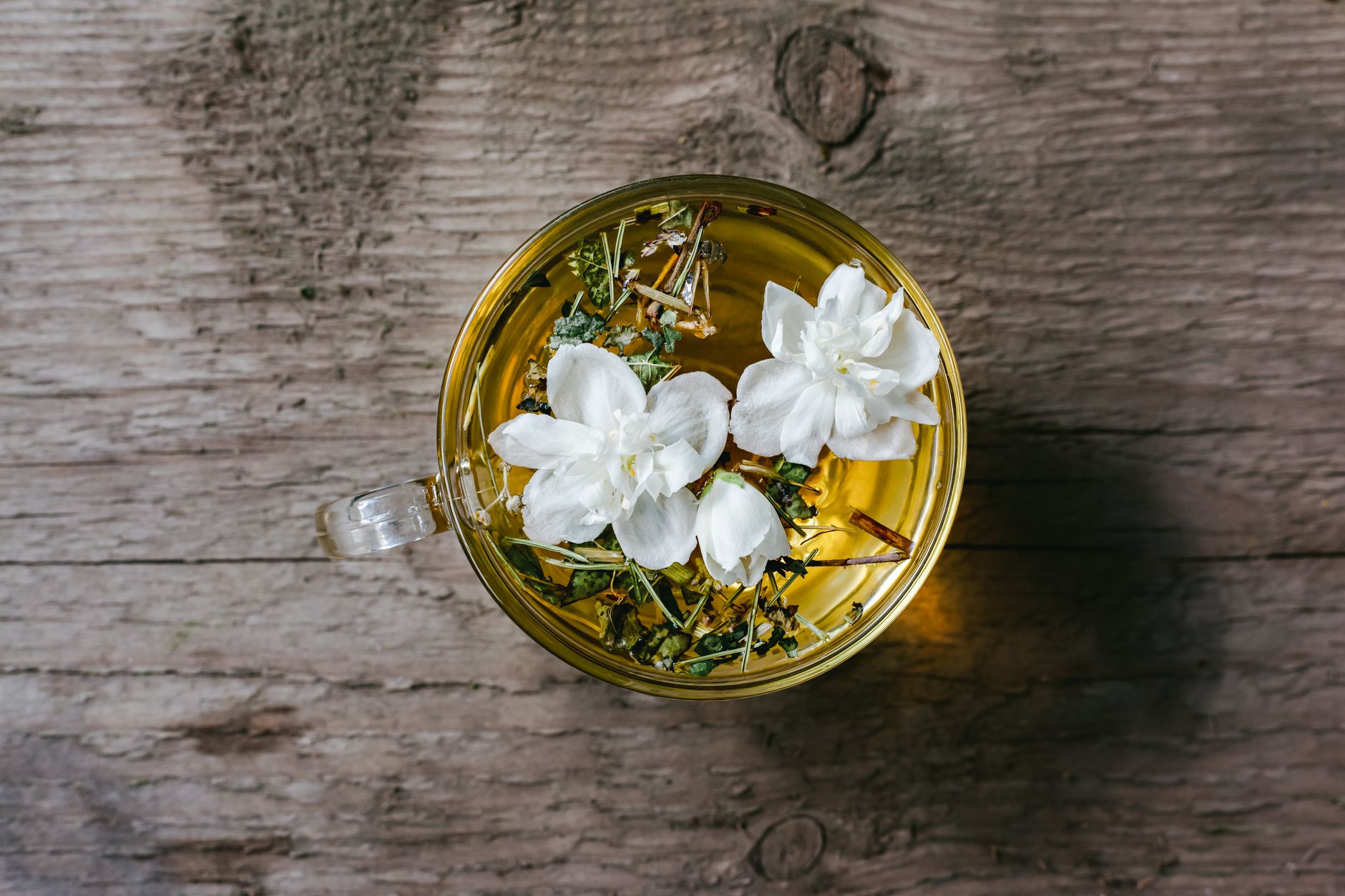
Pregnancy is a time filled with many changes, and diet plays a crucial role in ensuring the health of both the mother and the developing baby. Among the various beverages available, jasmine tea has gained popularity due to its fragrance and delicate flavor profile. However, many expectant mothers wonder, “Is jasmine tea safe during pregnancy?” This article aims to provide an informative guide regarding jasmine tea consumption in pregnancy, its benefits, possible risks, and recommended portions.
Jasmine tea is typically made by blending green or black tea with jasmine flowers, providing a soothing aroma and unique flavor. While it may have certain health benefits, it is essential to understand its safety profile and any precautions necessary during pregnancy.
Is Jasmine Tea Safe During Pregnancy?
In moderation, jasmine tea is generally considered safe during pregnancy. However, overconsumption may lead to potential risks due to caffeine content and certain herbal properties. Pregnant women should limit their caffeine intake as high amounts can lead to complications. Consulting with a healthcare provider can help expectant mothers make informed decisions about including jasmine tea in their diet.
Understanding Jasmine Tea
Jasmine tea is best known for its delightful fragrance and taste that combines floral notes with the underlying characteristics of the tea it is made from, such as green or black. This tea is infused with the blossoms of jasmine flowers, imparting a sweet and slightly perfumed flavor that many find calming and enjoyable.
- Types of Jasmine Tea:
- Green Jasmine Tea: Made from green tea leaves, this variant is more common and is lower in caffeine.
- Black Jasmine Tea: Using black tea leaves, this type offers a robust flavor but has higher caffeine content.
- Herbal Jasmine Tea: Sometimes, jasmine flavoring is added to herbal blends that do not actually contain tea leaves, thus being caffeine-free.
- Health Benefits:
- Antioxidants: Jasmine tea contains antioxidants, which can boost overall health.
- Anti-inflammatory properties: It may help reduce inflammation, beneficial for pregnant women who experience discomfort.
- Stress Reduction: The aroma of jasmine is often linked to relaxation and stress relief.
Caffeine Content in Jasmine Tea
One of the primary considerations for consuming jasmine tea during pregnancy is its caffeine content. Caffeine can lead to higher heart rates and can cross the placenta, affecting the developing fetus. Research suggests limiting caffeine intake to less than 200 mg per day during pregnancy, which equates to about one 12 oz cup of coffee.
The caffeine content in jasmine tea can vary based on the type of tea used for blending. As a general guideline:
- Green Jasmine Tea: Approximately 20-35 mg of caffeine per 8 oz cup.
- Black Jasmine Tea: Approximately 40-70 mg of caffeine per 8 oz cup.
- Herbal Jasmine Tea: Usually caffeine-free, but it’s essential to check packaging.
Potential Risks of Jasmine Tea During Pregnancy
While jasmine tea can provide benefits, there are some potential risks to consider:
- Excessive Caffeine: Consuming too much caffeine can lead to complications, including low birth weight or miscarriage. Moderation is essential.
- Herbal Ingredients: Some jasmine teas may contain additional herbs that aren’t safe during pregnancy. Always check the ingredient list.
- Digestive Issues: Some pregnant women experience sensitivity to certain foods and beverages. Jasmine tea can cause nausea or heartburn in some individuals.
Consulting Healthcare Professionals
It is advisable for pregnant women to consult with their healthcare provider before adding jasmine tea or any other herbal tea to their diet. A healthcare provider can offer personalized advice considering individual health goals and pregnancy conditions.
In general, if jasmine tea is consumed in moderate amounts—typically no more than one or two cups per day—it is likely safe for most individuals during pregnancy.
Recommended Portions of Jasmine Tea
When deciding how much jasmine tea to consume during pregnancy, it is critical to keep a few key points in mind:
- Limit to 1-2 cups per day: This aligns with the recommended maximum caffeine intake during pregnancy.
- Always check caffeine content: Consider the source—opt for green jasmine teas if you are sensitive to caffeine.
- Monitor your body: Pay attention to how your body responds to jasmine tea and adjust accordingly.
Here is a simple guideline on measuring tea portions:
| Type of Jasmine Tea | Caffeine Content (Approx.) | Recommended Servings |
|---|---|---|
| Green Jasmine Tea | 20-35 mg per 8 oz | 1-2 cups per day |
| Black Jasmine Tea | 40-70 mg per 8 oz | 1 cup per day |
| Herbal Jasmine Tea | Caffeine-free | 1-2 cups per day |
Making Jasmine Tea at Home
If you decide to incorporate jasmine tea into your diet during pregnancy, preparing it at home can be both enjoyable and beneficial. Here’s a simple method for making jasmine tea:
Ingredients for Homemade Jasmine Tea
- 2 teaspoons of loose jasmine tea (green or black, as preferred)
- 1 cup of water
- Optional: honey or lemon for flavor
Essential Equipment
- Teapot or tea infuser
- Stovetop or electric kettle
- Cup or mug
- Strainer (if using loose tea)
Method
- Bring the water to a boil in your kettle.
- Add the jasmine tea to the teapot or tea infuser.
- Pour the hot water over the tea leaves.
- Let it steep for 3-5 minutes depending on your taste preference.
- If using loose leaves, strain the tea into your cup. Add honey or lemon if desired.
- Enjoy your calming cup of jasmine tea!
Common Mistakes When Brewing Jasmine Tea
When making jasmine tea, especially for the first time, there are a few common mistakes to avoid:
- Using water that is too hot: Boiling water can scorch delicate tea leaves. Aim for water off the boil at around 175°F (80°C) for green teas.
- Steeping for too long: Over-steeping can lead to bitterness. Stick to the recommended steeping time.
- Not straining: If using loose tea leaves, be sure to strain the tea to avoid drinking bitter remnants.
Alternatives to Jasmine Tea
If you find that jasmine tea does not suit your tastes or preferences during pregnancy, consider these alternatives that may also calm and soothe:
- Clove Tea: Offers anti-inflammatory benefits and is caffeine-free.
- Dandelion Tea: Known for its digestive support without caffeine.
- Chamomile Tea: Often calming, but consult with your doctor as it may not be safe in very high amounts.
- Rooibos Tea: This herbal tea is naturally caffeine-free and rich in antioxidants.
Conclusion
In moderation, jasmine tea can be a delightful beverage during pregnancy. Expectant mothers should focus on controlling portion sizes and monitoring caffeine levels. By understanding the tea’s benefits and potential risks, pregnant women can enjoy this fragrant drink while ensuring their own and their baby’s well-being.
For those looking to build a healthy pregnancy meal plan, explore related recipes, cooking tips, or food guides that support nutritious choices for expectant mothers. Visit our Clove Tea recipe and Dandelion Tea recipe for more healthy beverage options.