
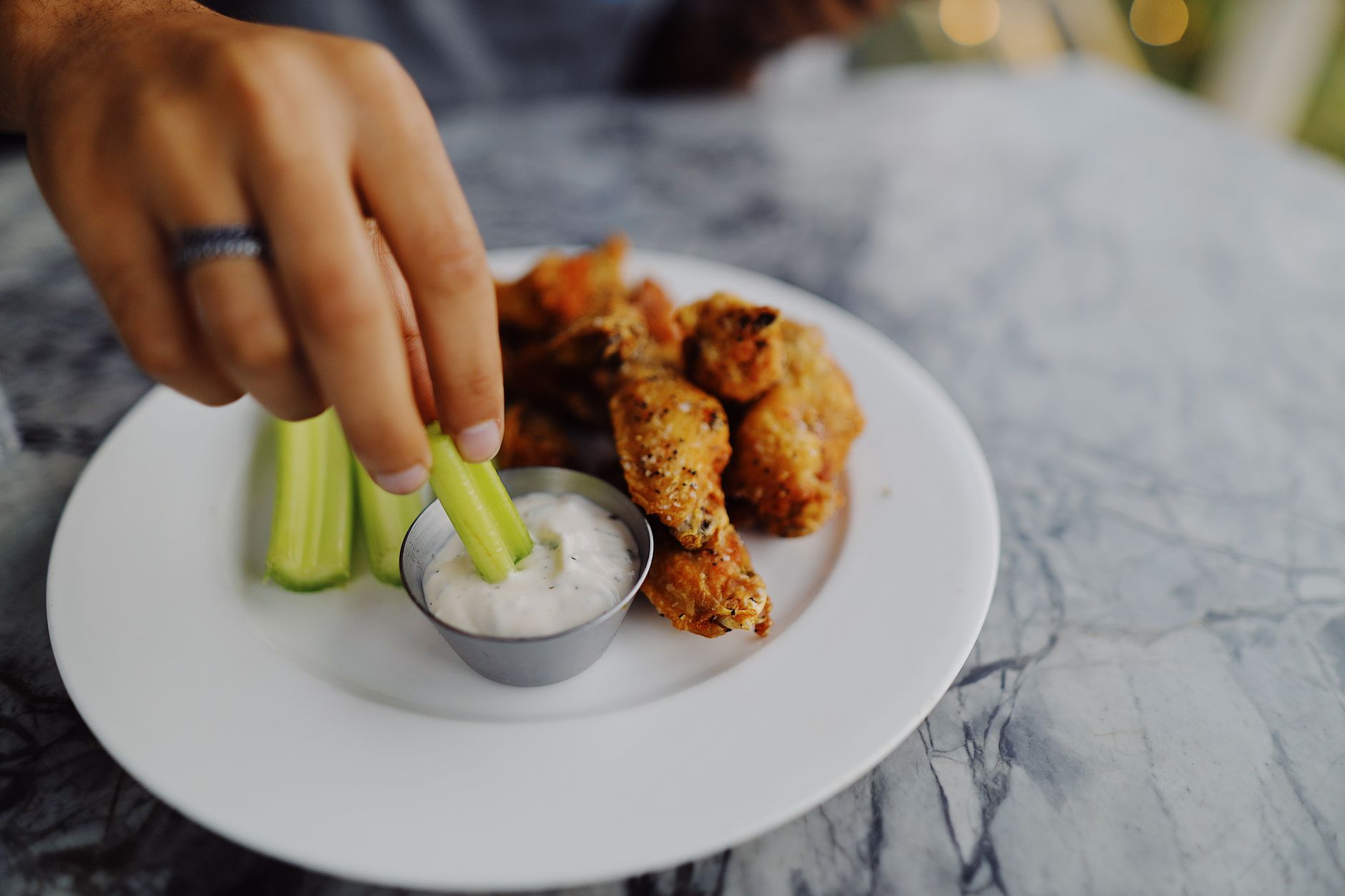
Ranch dressing is a beloved condiment in many households, known for its creamy texture and savory flavor. But have you ever wondered where it originated? Its history is not just rooted in flavor; it also reflects a unique blend of cultural and culinary influences that have evolved over time. In this article, we will explore the fascinating origins of ranch dressing, its ingredients, and its rise to popularity.
The journey of ranch dressing begins in the 1950s in the United States. While the dressing itself has become a staple in modern cuisine, understanding its history adds depth to this culinary favorite. Let’s dive into how ranch dressing emerged, its key components, and why it has captured the hearts—and taste buds—of so many.
Where Does Ranch Come From?
Ranch dressing originated on a ranch in California in the 1950s, created by a man named Steve Henson. He first developed the dressing while working as a contractor in Alaska, where he experimented with different ingredients to create a flavorful dip. After moving to Santa Barbara, California, he and his wife opened a dude ranch named “Hidden Valley Ranch,” where they served their homemade ranch dressing to guests. This unique dressing rapidly gained popularity.
The Early Days of Ranch Dressing
The original recipe for ranch dressing was a blend of buttermilk, mayonnaise, and various herbs and spices, including garlic, onion, and dill. Initially served as a salad dressing, it quickly became a versatile dip for vegetables, a topping for sandwiches, and a sauce for chicken wings. Its creamy texture paired with the zesty flavors made it a crowd-pleaser.
In 1972, the Henson family sold the ranch, and the recipe was commercialized. This marked the ignition of ranch dressing’s popularity across the United States. As packaged ranch dressing became available in grocery stores, it sparked a national craze and spurred numerous offshoots and variations.
Ingredients That Make Ranch Dressing
Understanding what goes into ranch dressing can help appreciate its flavor profile. Traditional ranch dressing incorporates a blend of several key ingredients:
- Buttermilk: This provides the creamy base and tangy flavor.
- Mayonnaise: Adds richness and thickness to the dressing.
- Sour Cream: Often included for extra creaminess and a slight tang.
- Herbs and Spices: Commonly used ingredients include garlic powder, onion powder, dill, parsley, and pepper.
Beyond these core ingredients, many recipes may incorporate variations, such as mustard or Worcestershire sauce, depending on personal preferences.
The Rise of Ranch Dressing’s Popularity
Following its commercialization in the 1980s, ranch dressing became synonymous with American cuisine. It was often featured in fast-food promotions, served in restaurants, and became a staple in homes across the country. The 1990s saw ranch dressing’s versatility celebrated, with its inclusion in a variety of dishes—from pizza to tacos—further solidifying its status.
Ranch dressing has also made waves on social media, where it remains a popular topic for food enthusiasts. Thanks to its adaptable nature, it can easily be dressed up or down to complement a wide array of meals.
Ranch Dressing Variations
As ranch dressing evolved, so too did the variations of its core recipe. Some popular variations include:
- Spicy Ranch: Infused with hot sauce or crushed red pepper for a kick.
- Herbed Ranch: Enhanced with fresh herbs like chives, cilantro, or basil.
- Avocado Ranch: Incorporating fresh avocado for a creamy, richer dressing.
- Vegan Ranch: Made with dairy-free substitutes such as cashew cream or coconut yogurt.
These variations allow ranch dressing to appeal to a wider audience, catering to diverse tastes and dietary preferences while keeping the core essence intact.
Making Ranch Dressing at Home
Crafting ranch dressing at home is simple and rewarding. When making your own ranch dressing, you can control the ingredients and adjust them to your taste. Here’s a basic recipe to get you started:
Homemade Ranch Dressing Recipe
This recipe yields about 1 cup of ranch dressing, perfect for salads or dipping.
Ingredients
- 1/2 cup buttermilk
- 1/4 cup mayonnaise
- 1/4 cup sour cream
- 1/2 teaspoon dried dill
- 1/2 teaspoon dried parsley
- 1/4 teaspoon garlic powder
- 1/4 teaspoon onion powder
- Salt and pepper to taste
Essential Equipment
- Mixing bowl
- Whisk or fork
- Storage container
Instructions
- In a mixing bowl, combine the buttermilk, mayonnaise, and sour cream.
- Add the dill, parsley, garlic powder, onion powder, salt, and pepper.
- Whisk until all ingredients are well combined.
- Taste and adjust seasoning as needed, adding more salt or herbs according to preference.
- Transfer the dressing to a storage container and refrigerate for at least 30 minutes to allow flavors to meld.
Serving Suggestions
Use homemade ranch dressing as a dip for fresh vegetables, a salad dressing, or a flavorful topping for grilled meats. The possibilities are endless!
Common Mistakes When Making Ranch Dressing
Here are some common pitfalls and how to avoid them:
- Using too much mayonnaise: While mayo adds creaminess, too much can overpower the flavor. Stick to the recipe or adjust by maintaining a balance with buttermilk and sour cream.
- Not allowing it to chill: Allowing the dressing to sit in the fridge for a while enhances the flavor as herbs have time to infuse.
- Neglecting seasoning: Tasting the dressing before serving is key. Adjust seasoning for your tastes as needed.
Storage and Reheating Guidance
Homemade ranch dressing can be stored in an airtight container in the refrigerator for up to one week. However, it is best to consume it sooner for optimal freshness. Do not freeze ranch dressing, as it can separate and change texture once thawed.
Ranch’s Cultural Impact
Beyond mere flavor, ranch dressing has had a significant cultural impact. It has become a common condiment across America and has inspired various dishes that feature its distinct flavor. Restaurants have crafted ranch-flavored wings, dips, and even ranch-flavored snacks. Additionally, it frequently appears in casual dining and fast food menus, demonstrating its role in American eating culture.
Ranch Dressing and Dietary Considerations
When preparing ranch dressing, it’s helpful to consider dietary preferences:
- For a healthier option: Use Greek yogurt as a base instead of mayonnaise or sour cream to lower calories and increase protein content.
- Low-fat versions: Opt for low-fat buttermilk and mayonnaise to reduce fat content.
- Vegan adjustments: Substitute traditional ingredients with plant-based products.
Always be mindful of ingredient labels to ensure they meet any dietary restrictions.
Incorporating Ranch Dressing into Meals
Ranch dressing is not only a condiment but can also play a role in various meal preparations. Here are some creative ways to use ranch dressing beyond the traditional:
- Drizzle over pizza: Give your favorite pizza a creamy twist.
- In wraps and sandwiches: Use ranch as a spread to add flavor to your sandwiches or wraps.
- With chicken or fish: Marinate chicken or fish in ranch dressing for added flavor before grilling or baking.
Final Thoughts on Ranch Dressing
Ranch dressing has a rich history that reflects American culture and culinary innovation. With its origins rooted in a California ranch in the 1950s, ranch has become a staple in households and restaurants across the country. Its ability to adapt and enhance many dishes makes it a versatile condiment that has stood the test of time.
Whether enjoyed as a classic dip, a dressing for salads, or incorporated into various recipes, ranch dressing continues to delight the palates of many. If you haven’t already, consider making a homemade version to discover the depth of flavor that only freshly made ranch can provide.
Explore our delicious ranch pretzel recipe for a unique snack or try the Wingstop ranch recipe for a tasty wing dipping experience. Get creative and see where ranch can take you in your culinary journey!