
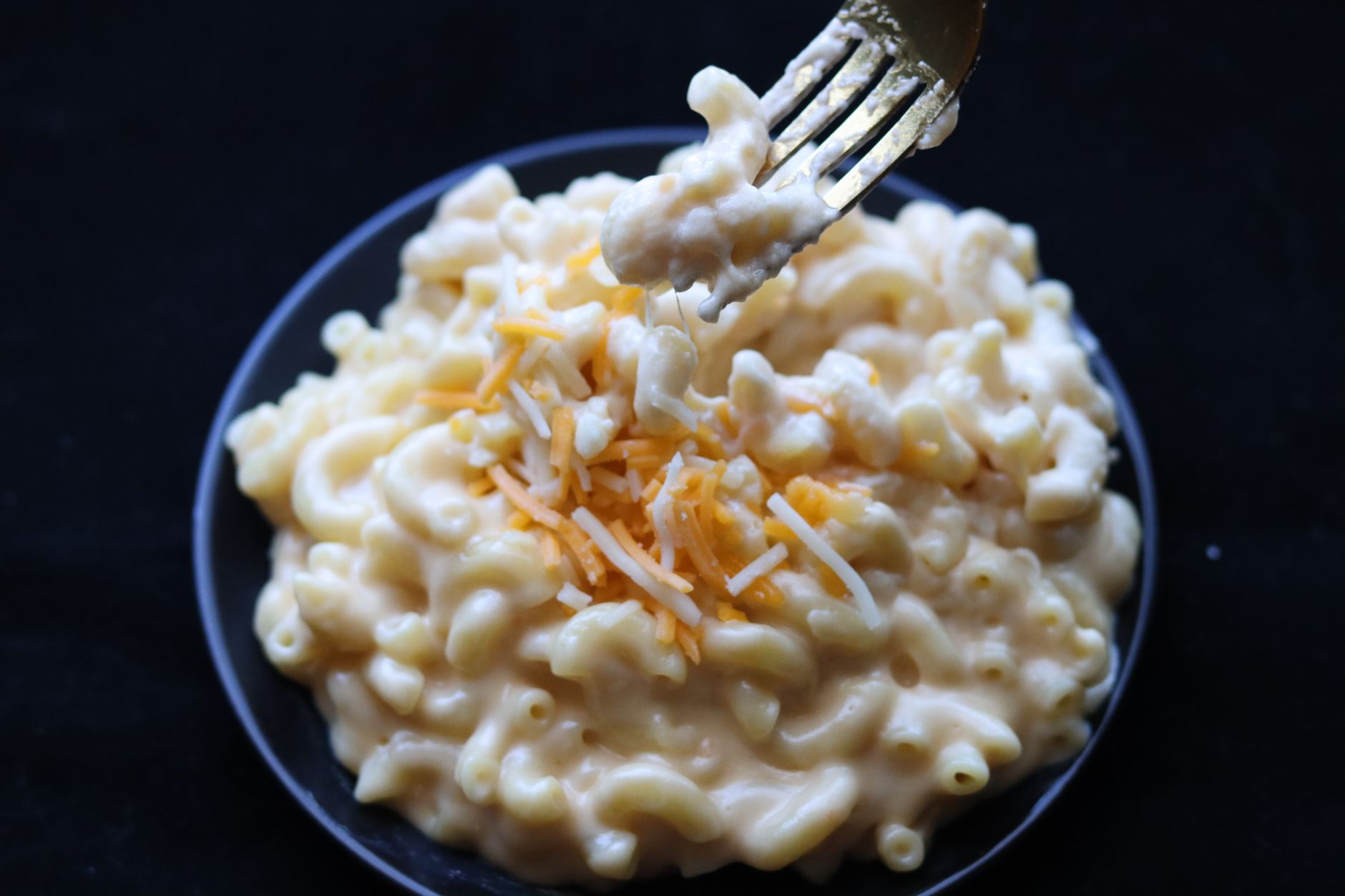
Kraft Mac and Cheese is a beloved staple in many households, known for its creamy texture and comforting flavor. Whether you enjoy it as a quick snack or a side dish, it’s essential to understand how it fits into your dietary needs, particularly regarding calorie content. This article explores the calorie information for Kraft Mac and Cheese cups, helping you make informed choices.
Often eaten for its ease of preparation, Kraft Mac and Cheese has a distinctive taste that appeals to both kids and adults. However, it’s vital to be aware of its nutritional value, especially if you’re monitoring your calorie intake.
How Many Calories in a Kraft Mac and Cheese Cup?
A standard Kraft Mac and Cheese cup contains approximately 250 calories per serving, which is based on the preparation instructions provided on the packaging. This figure can vary slightly depending on any added ingredients or specific recipe variations.
Understanding the Caloric Breakdown
To better appreciate the calorie content of Kraft Mac and Cheese cups, it’s helpful to break down the calories into macronutrients. The calories predominantly come from carbohydrates, fats, and proteins. Here’s a general overview of where those calories come from:
- Carbohydrates: Approximately 45 grams
- Fat: About 10 grams
- Protein: Roughly 10 grams
Knowing these values can help you understand how Kraft Mac and Cheese fits into broader dietary patterns, particularly if you’re tracking macronutrients.
Caloric Variations: Different Flavors and Varieties
Kraft Mac and Cheese is available in several flavors and varieties, each with its own caloric content. Here are some popular options:
- Classic Original: 250 calories per cup
- Four Cheese: Approximately 260 calories
- Creamy Garlic Shells: About 270 calories
- Spicy Cheese: Around 260 calories
- Mac and Cheese with Bacon: Nearly 270 calories
As you can see, the calorie count varies slightly across different flavors. This information is essential for making choices that align with your nutritional goals.
Preparing Your Kraft Mac and Cheese Cup
Preparation methods can also influence the overall calorie count of your meal. Here’s a basic overview of how to prepare the classic Kraft Mac and Cheese cup:
- Boil water in a pot or microwave.
- Add the pasta from the cup and cook for about 3-4 minutes, or until tender.
- Drain excess water if necessary.
- Mix in the cheese powder with a small amount of milk or butter to enhance flavor and creaminess.
If you choose to add ingredients like butter or milk, be aware that these add-ons will increase the overall calorie content.
Calorie Impact of Add-Ins
While Kraft Mac and Cheese is convenient on its own, many people choose to enhance it with additional ingredients for flavor and nutrition. However, it’s crucial to consider how these additions can affect calorie intake.
- Milk: Adding 1 tablespoon of milk adds roughly 9 calories.
- Butter: Each tablespoon of butter adds approximately 102 calories.
- Vegetables: Incorporating vegetables like broccoli or spinach can provide essential nutrients with minimal extra calories (around 5-15 calories per half-cup).
- Meats: Adding proteins like cooked chicken or bacon can significantly increase calories. For example, 2 ounces of cooked chicken can add over 60 calories.
Be mindful of portion sizes to help manage overall calorie intake while benefiting from nutritional enhancements.
How Kraft Mac and Cheese Fits into Your Diet
In moderation, Kraft Mac and Cheese can be a delightful addition to various dietary plans. Finding balance is key: consider how it fits into your meal plan while ensuring you’re meeting other nutritional needs.
For example, if your daily caloric intake is 2,000 calories, one cup of Kraft Mac and Cheese represents only a small fraction of your total. Pairing it with veggies or protein can make for a more balanced meal while still enjoying the comforting flavors of mac and cheese.
Potential Health Considerations
While Kraft Mac and Cheese is enjoyable, it’s essential to be aware of some potential health considerations, particularly regarding its nutrient profile:
- Sodium Content: A typical cup can contain over 600 mg of sodium, which should be considered if you’re on a sodium-restricted diet.
- Low Fiber: Kraft Mac and Cheese is low in dietary fiber. Complementing it with high-fiber foods is advisable.
- Processed Ingredients: Being a processed food product, it can contain preservatives and artificial flavors. Consider this if you prefer whole, natural foods.
Understanding these factors can help ensure that your meal choices are informed and aligned with your dietary preferences.
Making Healthier Choices with Kraft Mac and Cheese
If you love Kraft Mac and Cheese but want to make it a bit healthier, here are some practical tips:
- Add Vegetables: Incorporate steamed broccoli, peas, or spinach to increase fiber and nutrients.
- Use Low-Fat Dairy: Replace regular milk and butter with low-fat options to reduce calories.
- Lean Proteins: Add grilled chicken, turkey, or beans for a protein boost without excessive calories.
By adjusting the components of your Kraft Mac and Cheese, you can enjoy it while also making choices that align with personal health goals.
Summary of Serving Sizes and Caloric Intake
When assessing how many calories are in a Kraft Mac and Cheese cup, the main standard serving typically contains around 250 calories. However, this can vary with flavors and additional ingredients. Record-keeping can be helpful in ensuring you remain within your dietary goals.
Conclusion
Understanding the caloric content of a Kraft Mac and Cheese cup allows you to enjoy this classic dish as part of a balanced diet. Keeping track of added ingredients and flavor variations can help in managing your overall caloric intake while still indulging in the comfort of mac and cheese. For further exploration of recipes or creating great meal pairings with mac and cheese, check out the Kraft Mac and Cheese recipe and what goes good with mac and cheese.
For more versatile recipes and cooking tips, explore delicious options that include enhancing your meals or meal planning strategies.