
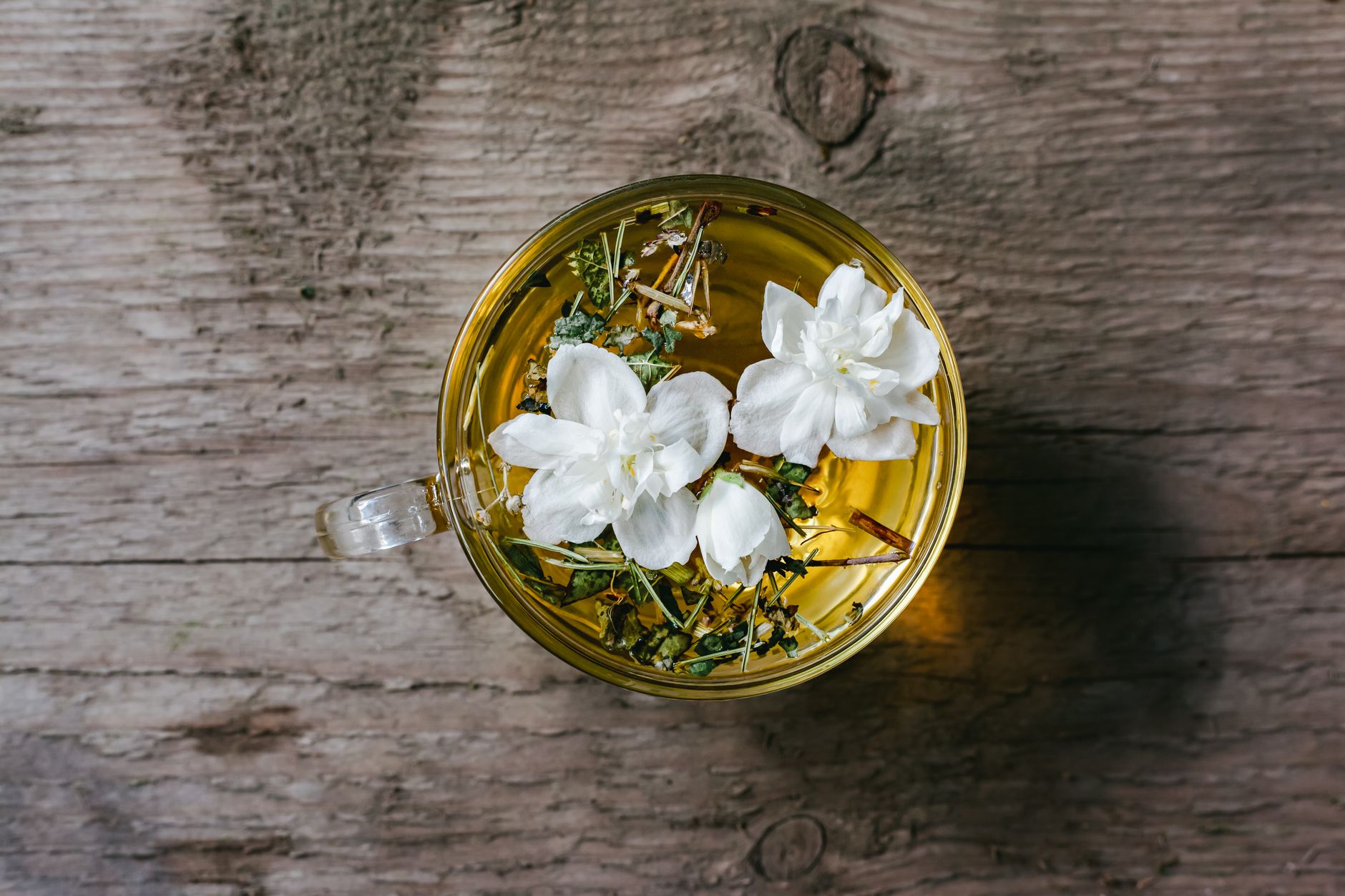
Jasmine tea is a fragrant beverage cherished for its floral aroma and delicate flavor. Many enthusiasts wonder whether this popular drink contains caffeine, which can significantly influence their decision to enjoy it. Understanding the caffeine content in jasmine tea is essential, especially for those sensitive to caffeine or looking to reduce their intake.
This article explores the caffeine levels in various types of jasmine tea, the factors affecting its caffeine content, and how to enjoy this aromatic infusion responsibly.
Is Jasmine Tea Caffeinated?
Yes, jasmine tea is generally caffeinated, but the amount can vary significantly based on the type of tea used and the brewing method. Typically, jasmine tea is made using green tea, which contains caffeine. However, the caffeine content may also depend on specific blends or if other tea bases, such as black or white tea, are used.
Types of Jasmine Tea
Jasmine tea is not just one specific type of tea; it encompasses various preparations depending on the base tea. Each type can have different caffeine levels. Here are the most common types:
- Jasmine Green Tea: This is the most prevalent variety of jasmine tea, made from green tea leaves scented with jasmine blossoms. The caffeine content typically ranges from 20 to 45 mg per 8 oz serving.
- Jasmine Black Tea: For a stronger flavor, jasmine black tea utilizes black tea leaves. It generally contains more caffeine, around 40 to 70 mg per 8 oz serving.
- Jasmine White Tea: This variant is crafted from young leaves and buds, making it more delicate and lower in caffeine, usually between 15 to 30 mg per 8 oz serving.
- Jasmine Oolong Tea: Oolong tea is partially fermented and can have caffeine levels similar to green tea, generally around 30 to 50 mg per 8 oz serving.
Factors Affecting Caffeine Content
Understanding the caffeine levels in jasmine tea involves considering several influential factors:
1. Type of Base Tea
The base tea’s type greatly affects the caffeine content in jasmine tea. Green tea tends to have less caffeine than black tea, while white tea typically has the least among traditional varieties.
2. Brewing Time
The length of time the tea is brewed also contributes to its caffeine level. A longer steep time allows for more caffeine to be extracted from the tea leaves. For example, steeping for five minutes will yield higher caffeine levels than steeping for just one minute.
3. Water Temperature
The temperature of the water used in brewing can impact caffeine extraction. Hotter water (around 190°F to 212°F or 88°C to 100°C for black tea) extracts caffeine more effectively compared to cooler water.
4. Leaf Size and Quality
The size and quality of the tea leaves can alter the caffeine content as well. Whole tea leaves tend to release caffeine more slowly compared to broken leaves or dust found in tea bags, which can result in a stronger brew.
Comparing Caffeine in Jasmine Tea with Other Beverages
To put the caffeine content in jasmine tea into perspective, let’s compare it to other common beverages:
| Beverage | Caffeine (mg per 8 oz serving) |
|---|---|
| Jasmine Green Tea | 20 – 45 |
| Jasmine Black Tea | 40 – 70 |
| Jasmine White Tea | 15 – 30 |
| Jasmine Oolong Tea | 30 – 50 |
| Coffee | 95 – 200 |
| Energy Drinks | 80 – 200 |
| Soda | 30 – 60 |
Health Considerations Related to Caffeine
Understanding caffeine’s effects on the body is crucial when consuming jasmine tea. Caffeine can stimulate the central nervous system, leading to increased alertness. However, overconsumption may result in negative effects such as:
- Insomnia
- Increased heart rate
- Anxiety
- Upset stomach
While moderate caffeine intake is generally considered safe for most adults (around 400 mg per day), individual tolerance can vary widely. Therefore, it’s advisable to monitor your own body’s response:
Enjoying Jasmine Tea Mindfully
Finding balance in your tea consumption can help you enjoy the benefits of jasmine tea without exceeding your caffeine comfort zone. Consider these tips:
1. Know Your Limits
Understanding your personal caffeine sensitivity is essential. If you experience jitters, anxiety, or trouble sleeping, you may want to limit your intake.
2. Select the Right Type
If you prefer a lower caffeine option, choose jasmine white tea or jasmine green tea over jasmine black tea.
3. Adjust Brewing Parameters
Limit steeping time and experiment with lower water temperatures to achieve a milder cup. A shorter steeping time (1-2 minutes for green tea) will result in lower caffeine extraction.
4. Opt for Decaffeinated Varieties
For those who wish to enjoy the flavor without caffeine, decaffeinated jasmine tea options are available and can provide a similar experience without the stimulating effects.
How to Prepare Jasmine Tea
Preparing jasmine tea can be a rewarding experience, allowing you to appreciate its delicate flavors and sweet aroma. Here’s a simple method to brew a perfect cup:
Ingredients
- 1 teaspoon of jasmine tea leaves (or 1 tea bag)
- 8 ounces of fresh, filtered water
Essential Equipment
- Teapot or tea infuser
- Kettle
- Measuring spoon
- Cup or mug
Brewing Method
- Begin by heating the water. For green or white jasmine tea, aim for a temperature of around 175°F to 185°F (80°C to 85°C). For black tea, heat the water to 200°F to 212°F (93°C to 100°C).
- Measure the tea leaves using one teaspoon or place the tea bag into your teapot or infuser.
- Pour the hot water over the tea leaves and let steep for 1-3 minutes for green tea, 3-5 minutes for black, and 2-4 minutes for white or oolong tea. Adjust according to your preferred taste.
- Once the brewing time is complete, remove the tea leaves or tea bag to stop the brewing process.
- Pour the tea into your cup and, if desired, add sweeteners, lemon, or honey to taste. Enjoy!
Common Mistakes and Troubleshooting
Preparing jasmine tea should be straightforward, but there are common pitfalls to avoid:
- Oversteeping: Allowing the tea to steep for too long can lead to bitterness, particularly with green tea. Aim for the recommended steeping times.
- Water Temperature: Using boiling water for delicate teas can scorch the leaves, resulting in harsh flavors. Pay attention to the appropriate temperatures for each type.
- Using Poor Quality Tea: The quality of jasmine tea plays a significant role in flavor. Opt for high-quality loose leaf tea or reputable brands to experience the best flavors.
Storage of Jasmine Tea
Proper storage of jasmine tea maximizes its freshness and flavor. Here are some tips:
- Store in an airtight container to prevent exposure to air, moisture, and light.
- Keep the container away from strong odors, as tea can absorb surrounding aromas.
- Ideal storage locations are cool, dark areas, such as a pantry.
Conclusion
Jasmine tea is generally caffeinated, providing a delightful balance between flavor and stimulation. Understanding the caffeine content and how to manage it can enhance your tea-drinking experience. Whether you prefer jasmine green, black, white, or oolong tea, being mindful of adaptation methods and brewing parameters lets you enjoy this fragrant beverage at your preferred caffeine level. For those looking to expand their tea knowledge, explore the differences in caffeine levels across tea varieties. Understanding what tea has the most caffeine can help you make informed choices in your daily tea rituals.
If you’re interested in learning more about tea, check out our guides on black tea and caffeine content in tea. These resources will help you deepen your tea appreciation and find the perfect cup for your lifestyle.