
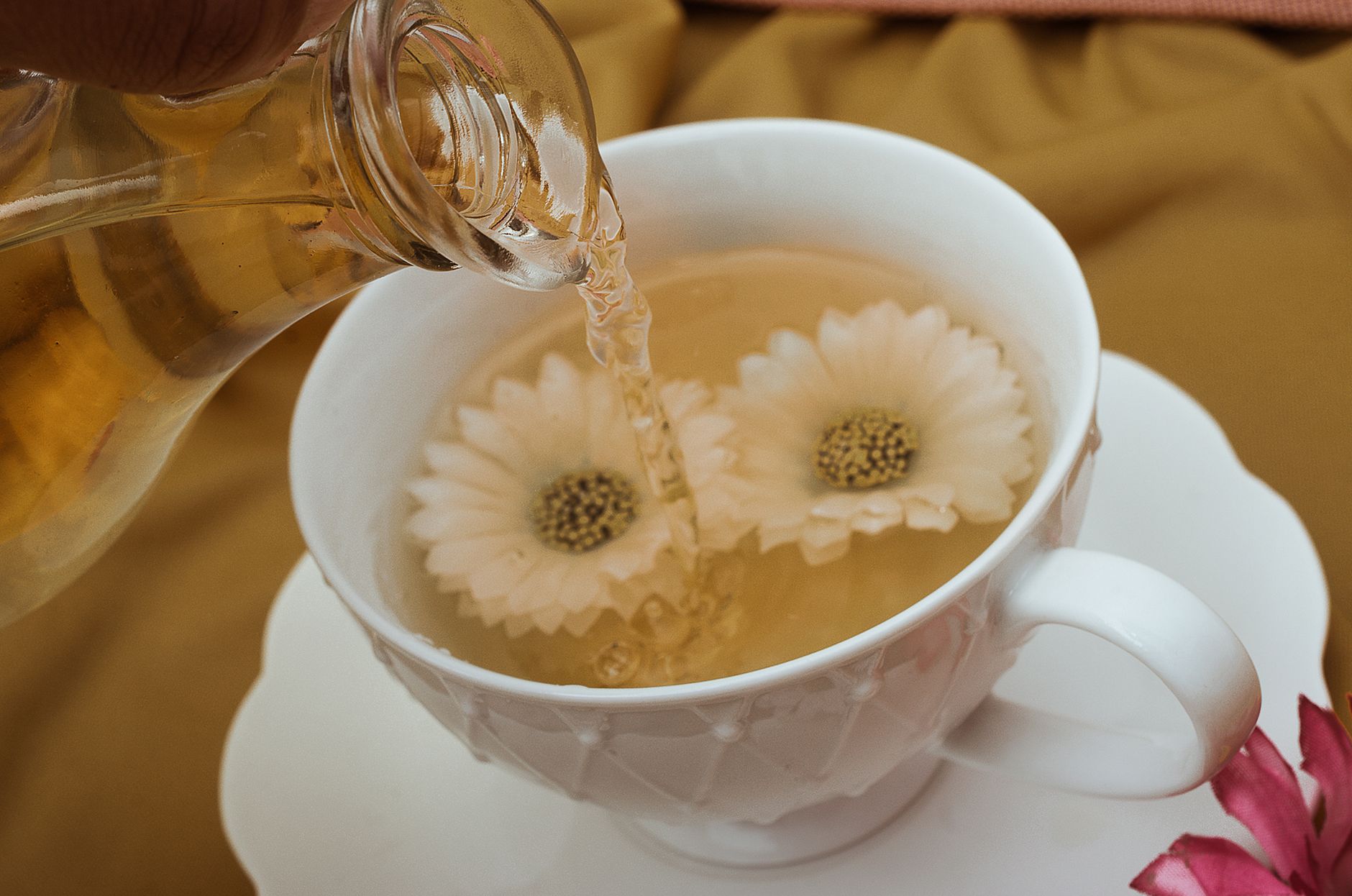
Chamomile tea is a popular herbal drink known for its calming properties and unique flavor. Many expectant mothers might wonder whether it’s safe to consume during pregnancy, especially given the variety of advice about foods and beverages to avoid. This article examines the safety of chamomile tea during pregnancy, its potential benefits, and alternative herbal teas that can be enjoyed.
Understanding the effects of chamomile tea on pregnancy requires an exploration of its ingredients, possible benefits, and any associated risks. This guide is designed to help pregnant individuals make informed decisions about incorporating chamomile tea into their diets.
Can You Drink Chamomile Tea While Pregnant?
The short answer is that moderate consumption of chamomile tea is generally considered safe during pregnancy, but consulting with a healthcare provider is advisable. Chamomile is known for its soothing effects and may offer some benefits during pregnancy. However, it’s important to understand the nuances surrounding its consumption.
What is Chamomile Tea?
Chamomile tea is made from the dried flowers of the chamomile plant, primarily from the species Matricaria chamomilla and Chamaemelum nobile. Known for its aromatic, floral flavor, chamomile tea is commonly consumed for its calming effects, often used to help with sleep, digestion, and relaxation.
Potential Benefits of Chamomile Tea During Pregnancy
Chamomile tea may provide several benefits that can be particularly helpful during pregnancy:
- Calming Effects: The soothing properties of chamomile can help reduce anxiety and promote better sleep, which can be beneficial for expectant mothers dealing with stress.
- Digestive Aid: Chamomile tea may help alleviate common digestive issues during pregnancy, such as bloating and indigestion.
- Anti-Inflammatory Properties: Chamomile contains antioxidants that may reduce inflammation in the body.
- Menstrual Cramp Relief: Some women find chamomile tea helpful for relieving menstrual discomfort, which may also extend to slight discomforts in pregnancy.
Is There Any Risk Associated with Drinking Chamomile Tea?
While chamomile tea is widely considered safe to drink in moderation, there are some potential risks to be aware of during pregnancy:
- Allergic Reactions: Individuals allergic to plants in the Asteraceae family, such as ragweed, may also react to chamomile. Symptoms can include skin rashes and difficulty breathing.
- Influence on Hormones: Some studies have suggested that chamomile may have mild estrogenic effects, which could concern pregnant individuals. However, evidence is inconclusive.
- Blood Thinning Effects: Chamomile has been noted for its ability to thin the blood, which might be a concern for those who are at risk for bleeding disorders.
Recommended Consumption Guidelines
When considering chamomile tea during pregnancy, moderation is key. Here are some practical consumption guidelines to follow:
- Limit consumption to 1-2 cups per day.
- Opt for organic chamomile to avoid exposure to pesticides and chemicals.
- Consult with a healthcare provider before adding chamomile tea to your routine, especially if you have underlying health issues or are taking medications.
Alternative Herbal Teas to Consider
If you are hesitant about chamomile tea, there are several other herbal teas that may be safer or more preferable during pregnancy:
- Dandelion Tea: This herb may help improve digestion and alleviate bloating. It provides a mild diuretic effect that can help with fluid retention.
- Ginger Tea: Renowned for its ability to combat nausea, ginger tea can be particularly beneficial for those experiencing morning sickness.
- Rooibos Tea: Naturally caffeine-free and rich in antioxidants, rooibos tea may help reduce inflammation and improve overall well-being.
- Peppermint Tea: This refreshing beverage can help with digestive issues and nausea, making it a popular choice among pregnant women.
Pregnancy-Safe Tea Preparation
Preparation of herbal teas is crucial to ensure freshness and to avoid contamination. Here’s a simple method for preparing chamomile tea:
- Gather Ingredients: Use 1-2 teaspoons of dried chamomile flowers per cup of water.
- Boil Water: Bring water to a boil in a kettle.
- Steep: Pour boiling water over the chamomile flowers. Let steep for 5-10 minutes, depending on desired strength.
- Strain: Strain the tea into a cup to remove flowers.
- Cool and Serve: Let the tea cool to a comfortable temperature before drinking. Optionally, add honey or lemon for flavor.
Common Mistakes to Avoid
Here are some common mistakes to avoid when consuming chamomile tea during pregnancy:
- Excessive Consumption: Drinking too much chamomile can lead to potential risks, so stick to the recommended 1-2 cups.
- Ignoring Allergies: If you have prior allergies to chamomile or similar plants, avoid using it altogether.
- Using Unsourced Products: Always opt for high-quality, organic chamomile to reduce the risk of contaminants.
When to Consult with a Healthcare Provider
If you experience any adverse effects after drinking chamomile tea or if you are concerned about its impact on pregnancy, it’s essential to consult with a healthcare provider. They can offer personalized advice based on your health history and current condition.
Storing Chamomile Tea
When it comes to storing chamomile tea, follow these guidelines to ensure its freshness:
- Keep dried chamomile flowers in an airtight container to maintain flavor and potency.
- Store in a cool, dry place, away from direct sunlight.
- Avoid storing in humid areas, as moisture can lead to spoilage.
Summary
In summary, chamomile tea can be enjoyed in moderation during pregnancy, but it is always best to consult with a healthcare provider before incorporating it into your diet. The calming effects of chamomile may be beneficial, but awareness of potential risks is essential. If you choose to avoid chamomile, there are many safe herbal alternatives available.
For further exploration, consider trying a dandelion tea recipe or a clove tea recipe. These options can provide additional benefits during pregnancy while being pleasant and enjoyable to drink.