
Vitamin D plays a crucial role in maintaining bone health, immune function, and overall well-being. While our bodies can synthesize vitamin D from sunlight, dietary sources are essential, especially for those with limited sun exposure. This article explores various foods rich in vitamin D, helping you make informed choices for your nutrition.
In addition to listing these foods, we’ll delve into nutrition facts, serving sizes, and practical ways to incorporate them into your meals. With the right information, boosting your vitamin D intake can be a delicious endeavor.
What Is Rich In Vitamin D?
Foods rich in vitamin D include fatty fish, fortified dairy products, egg yolks, mushrooms, and certain fortified foods. Incorporating these into your diet can help meet your vitamin D needs, supporting everything from bone health to immune function.
Sources of Vitamin D
Vitamin D is primarily obtained from two sources: dietary intake and sunlight exposure. Here’s a closer look at various food sources:
Fatty Fish
Fatty fish are among the best natural sources of vitamin D. Here are some top options:
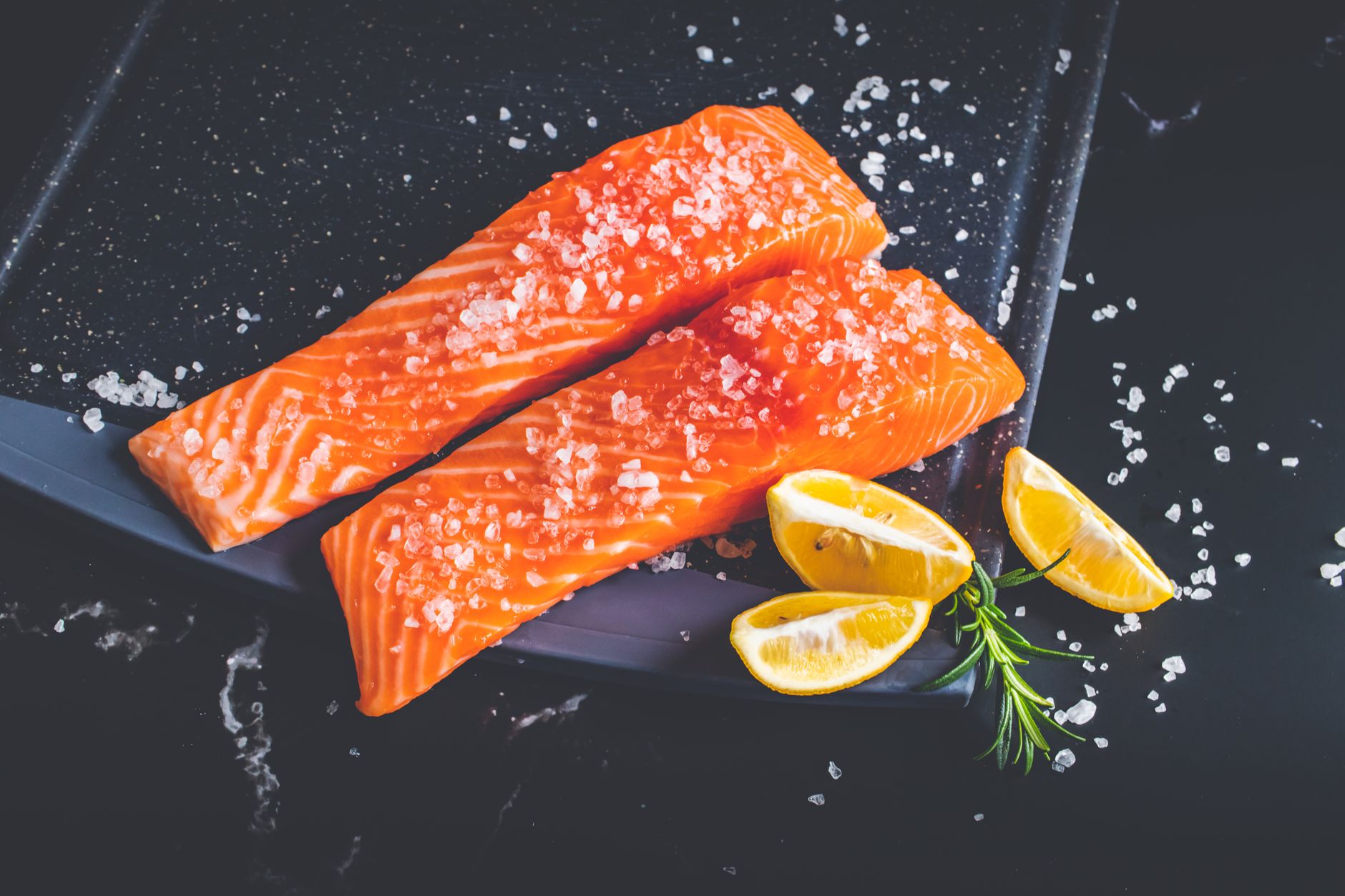
- Salmon: A 3.5-ounce (100-gram) serving of cooked salmon provides approximately 566 IU (International Units) of vitamin D.
- Mackerel: This fish offers around 360 IU per 3.5-ounce serving.
- Tuna: Canned tuna contains about 236 IU per serving, depending on the variety and processing.
- Sardines: A 3.5-ounce serving of sardines may have as much as 272 IU of vitamin D.
Fortified Foods
Many food products are fortified with vitamin D to help people get enough of this nutrient:
- Fortified Dairy Products: Milk and yogurt often have added vitamin D, with a cup typically providing about 100 IU.
- Fortified Plant Milks: Almond, soy, and oat milk are frequently fortified with vitamin D, offering a similar amount per serving as cow’s milk.
- Fortified Cereals: Many breakfast cereals include added vitamin D, ranging from 40 to 100 IU per serving. Check the nutritional labels for specifics.
Eggs
Egg yolks are another good source of vitamin D:
- Egg Yolks: One large egg yolk contains about 37 IU of vitamin D. They can easily be added to various dishes like omelets, baked goods, or even soups.
Mushrooms
Mushrooms are unique in their ability to produce vitamin D when exposed to ultraviolet light:
- UV-Exposed Mushrooms: Certain varieties, such as maitake or UV-exposed portobello mushrooms, can provide significant amounts of vitamin D, reaching up to 450 IU per 100 grams when properly exposed.
Cod Liver Oil
This potent oil is not only rich in omega-3 fatty acids but also packed with vitamin D:
- Cod Liver Oil: Just one tablespoon (15 ml) offers about 1,360 IU of vitamin D, making it an excellent source but should be consumed with care due to its high content of vitamin A.
How Much Vitamin D Do You Need?
The recommended dietary allowance (RDA) for vitamin D varies by age and condition. Here are general guidelines:
- Adults: 600 IU (15 micrograms) per day
- Adults over 70: 800 IU (20 micrograms) per day
- Children (1-18 years): 600 IU (15 micrograms) per day
- Pregnant and breastfeeding women: 600 IU (15 micrograms) per day
These values may vary depending on individual health needs, geographical location, and sun exposure. It’s always best to consult with a healthcare provider for personalized advice.
Serving Sizes and Cooking Techniques
Knowing how to prepare and serve foods rich in vitamin D can help maximize their benefits in your diet. Here are some practical serving suggestions:
Fatty Fish Preparation
- Baking: Brush salmon fillets with olive oil, season with salt and pepper, and bake at 375°F (190°C) for 15-20 minutes. This allows for maximum nutrient retention.
- Grilling: Marinate mackerel in lemon and herbs, then grill on medium heat for about 10 minutes per side for a smoky flavor.
- Canned Tuna: Use in salads, sandwiches, or pastas. Mix with Greek yogurt, diced vegetables, and seasonings for a nutritious tuna salad.
Eggs in Meals
Incorporate eggs into breakfast dishes or snacks by:
- Making scrambled eggs with added vegetables like spinach or tomatoes for a nutritious morning meal.
- Preparing a frittata with a variety of vegetables and herbs for lunch or dinner.
Mushroom Usage
Mushrooms can be sautéed, roasted, or added to soups and salads:
- Try adding sautéed mushrooms to pasta dishes or omelets for an earthy flavor.
- Roast with olive oil and salt to use as a side dish or salad topping.
Fortified Foods Suggestions
Fortified products are versatile and easy to incorporate:
- Add fortified plant milk to smoothies or cereal for breakfast.
- Use fortified yogurt as a base for parfaits or in smoothies.
Practical Substitutions for Vitamin D-Rich Foods
In case you need alternatives, here are some substitutions:
- Fatty Fish: If fish is not an option, consider taking a fish oil supplement (check with a health professional).
- Fortified Foods: In place of dairy, try nutritional yeast, which can add a cheese-like flavor to dishes while providing some B vitamins.
Common Mistakes and Troubleshooting
When trying to increase vitamin D in your diet, keep these common pitfalls in mind:
- Overlooking Labels: Always check food labels to confirm fortified products include vitamin D, as not all brands do.
- Poor Cooking Methods: Avoid overcooking fish, as it can lead to nutrient loss. Aim for moist cooking methods like steaming or quick grilling.
Storage and Reheating Guidelines
Proper storage helps maintain the nutritional quality of vitamin D-rich foods:
- Fish: Store cooked fish in an airtight container in the refrigerator and consume within 2-3 days.
- Eggs: Store hard-boiled eggs in the shell for optimal freshness and consume within one week.
- Mushrooms: Store fresh mushrooms in a paper bag in the refrigerator. Avoid plastic bags as they can trap moisture.
Meal Planning for Vitamin D
Planning meals that include vitamin D-rich foods can be straightforward. Consider this simple weekly plan:
Sample Meal Plan
| Day | Breakfast | Lunch | Dinner |
|---|---|---|---|
| Monday | Scrambled eggs with spinach | Grilled salmon salad | Mushroom risotto |
| Tuesday | Fortified oatmeal | Canned tuna sandwich | Stir-fried mackerel with vegetables |
| Wednesday | Yogurt with fortified cereal | Mushroom soup | Ratatouille with baked eggs |
| Thursday | Avocado toast with poached egg | Fortified almond milk smoothie | Fish tacos with lime cabbage slaw |
| Friday | Egg and veggie frittata | Salad with sardines | Spaghetti with mushroom sauce |
| Saturday | Fortified milk with cereal | Grilled chicken with mushroom sauce | Cod liver oil smoothie (add fruits for flavor) |
| Sunday | Omelet with mushrooms | Quinoa and salmon bowl | Baked mackerel with green beans |
This variety ensures that you enjoy different flavors while meeting your vitamin D requirements. Adjust portions based on individual dietary needs and preferences.
Conclusion
Incorporating foods rich in vitamin D into your daily diet can greatly benefit your overall health. Prioritize options like fatty fish, fortified foods, and eggs to ensure you meet your nutritional needs. Don’t hesitate to experiment with cooking methods and meal planning strategies to keep your meals varied and enjoyable.
For more ideas on healthy ingredients, try out our Chia Pudding Recipe or explore a comforting Golden Milk Recipe. Happy cooking!