
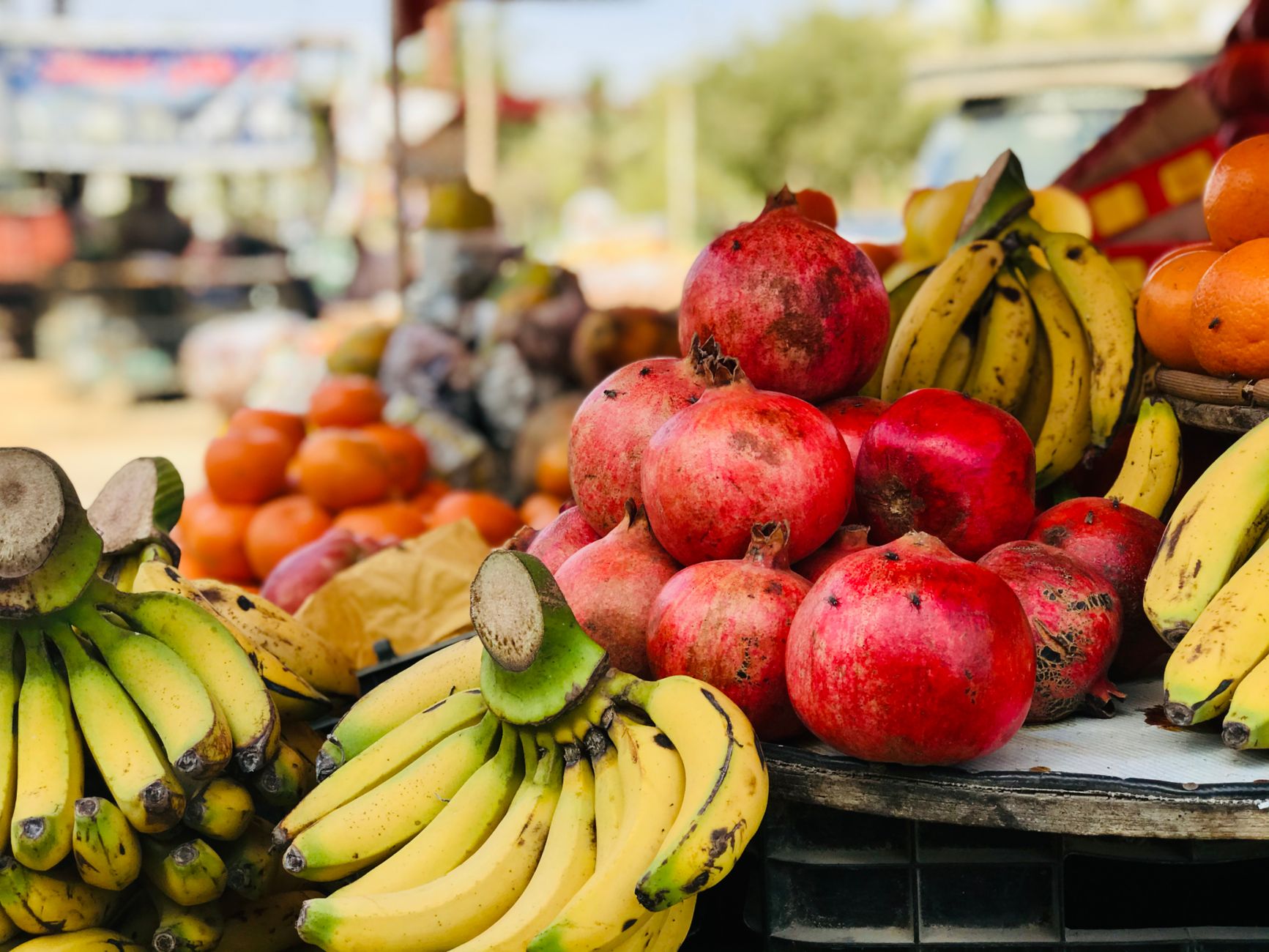
Understanding the calorie content in fruit is essential for making healthy dietary choices. While fruits are known for being nutritious and packed with vitamins, the number of calories can vary significantly between types. In this article, we will explore the calorie content of various fruits, serving sizes, and how they can fit into a balanced diet.
Whether you are tracking your calorie intake for weight loss, maintenance, or simply to stay informed, knowing how many calories are in fruit can help you make healthier decisions. Let us delve into the facts about fruit and its calorie content, making it easier for you to incorporate it into your meals and snacks.
How Many Calories Are in Fruit?
Fruits are generally low in calories and high in essential nutrients. A typical serving of fruit might contain anywhere from 30 to 100 calories, depending on the type and size. Below, we will provide a detailed breakdown of various fruits along with their calorie counts per standard serving sizes.
Calorie Breakdown by Fruit Type
Here is a list of popular fruits along with their approximate calorie content based on standard serving sizes:
| Fruit | Serving Size | Calories |
|---|---|---|
| Apple | 1 medium (182g) | 95 |
| Banana | 1 medium (118g) | 105 |
| Orange | 1 medium (131g) | 62 |
| Strawberries | 1 cup (152g) | 49 |
| Grapes | 1 cup (151g) | 104 |
| Watermelon | 1 cup (154g) | 46 |
| Pineapple | 1 cup (165g) | 82 |
| Blueberries | 1 cup (148g) | 84 |
| Mango | 1 medium (207g) | 150 |
| Peach | 1 medium (150g) | 58 |
Understanding Serving Sizes
When discussing calories in fruit, it’s important to clarify what constitutes a serving size. Serving sizes can vary based on the type of fruit, how it is prepared, and even cultural dietary norms. A serving can be whole fruits, cut fruits, or even pureed forms. Below are common serving sizes for different types of fruit:
- Fresh fruit: Usually counted as one fruit such as an apple or orange.
- Berries: Typically, one cup of fresh berries is considered a serving.
- Dried fruit: Generally measured in smaller portions; ¼ cup is a common portion for dried fruit.
- Canned fruit: Usually about ½ cup when packed in juice or water.
- Fruit juice: A standard serving is 100% fruit juice, typically 4 ounces or ½ cup.
Nutritional Value of Fruits Beyond Calories
Fruits are not just about calories; they also offer a wealth of nutrients including vitamins, minerals, fiber, and antioxidants. Eating a variety of fruits provides different health benefits:
- Vitamins: Fruits are rich in essential vitamins like vitamin C, potassium, and folate.
- Fiber: Many fruits are high in dietary fiber, which aids in digestion and helps maintain a healthy weight.
- Antioxidants: Fruits contain antioxidants that may reduce inflammation and lower the risk of chronic diseases.
- Hydration: Many fruits like watermelon and cucumber have high water content, contributing to hydration.
How to Incorporate Fruit into Your Diet
Fruits can be enjoyed in a multitude of ways, ensuring that they fit seamlessly into your daily routine. Here are some practical tips for including more fruit in your diet:
Snacks
- Grab a whole fruit for an on-the-go snack.
- Pair fruit with nut butter for a satisfying treat.
- Make fruit salads using a variety of seasonal fruits.
Breakfast
- Add sliced bananas or berries to your morning oatmeal or yogurt.
- Create smoothies with fruits blended with spinach and protein for a nutritious breakfast.
- Include fruit in pancakes or waffles for a sweet addition.
Baking and Cooking
- Incorporate fruits in baking recipes, such as banana bread or apple muffins.
- Use fruits as toppings for desserts, such as pies or tarts.
- Add fruit to savory dishes; for example, mango salsa complements grilled chicken.
Common Misconceptions About Fruit and Calories
There are several misconceptions surrounding fruit consumption, calories, and sugar content:
Fruit is Fattening
This is a prevalent myth. Although fruits contain sugar, it’s natural sugar, different from refined sugars found in sweets. The fiber and nutrients in fruits can help with weight management.
Fruit Juice is Healthier than Whole Fruit
Fruit juices can be high in sugar and low in fiber compared to whole fruit. It’s best to consume whole fruits or opt for juices without added sugars and limit portions.
All Fruits Are Equal in Calories
Not all fruits are created equal. For example, avocados are higher in calories and healthy fats compared to apples. Understanding the calorie content helps make informed choices.
Tracking Calories in Fruit: Practical Tips
If you are monitoring your calorie intake, here are some strategies:
- Use a food scale to measure fruits accurately, especially when portion sizes can be misleading.
- Consult nutrition apps to track caloric intake easily.
- Be mindful of servings in fruit dishes, such as smoothies, which may contain multiple servings of fruit.
Portion Control
Even with healthy foods like fruit, portion control is crucial. Keep servings to recommended amounts to prevent excessive calorie intake.
Meal Planning with Fruits
Incorporating fruits into your meal planning can help ensure balance and variety in your diet. Try to include a serving of fruit in each meal, and keep pre-portioned snacks ready for convenience. This can optimize your nutrient intake while keeping your calorie count in check.
Exploring Different Fruit Varieties
Not all fruits provide the same nutritional profile or calorie count. Exploring various types can enhance your meals and bring diversity to your diet.
Citrus Fruits
Citrus fruits like oranges, lemons, and grapefruits are low in calories and rich in vitamin C. Incorporating them can boost your immune health and keep your calorie count lower.
Stone Fruits
Fruits like peaches, cherries, and plums are tasty summer choices that provide important nutrients. They typically range from 30 to 65 calories per fruit, making them excellent snacks.
Berries
Ranging from strawberries to blueberries, berries are often lower in calories and high in antioxidants, making them a perfect addition to any diet.
Tropical Fruits
Mangoes, pineapples, and bananas have a slightly higher calorie count, but they are packed with vitamins. They are great for smoothies and desserts but should be consumed in moderation.
Conclusion and Practical Next Steps
Understanding how many calories are in fruit is an essential aspect of nutrition. With a wide variety of fruits available, aiming for a balanced diet filled with fruits can be beneficial to your health.
As a practical next step, consider incorporating a new fruit into your meals this week. Whether it’s adding berries to your breakfast or swapping a sugary snack for an apple, small changes can lead to lasting health improvements.
Explore related recipes and guides such as how to freeze watermelon or learn about calories in pho to further enhance your culinary journey!