
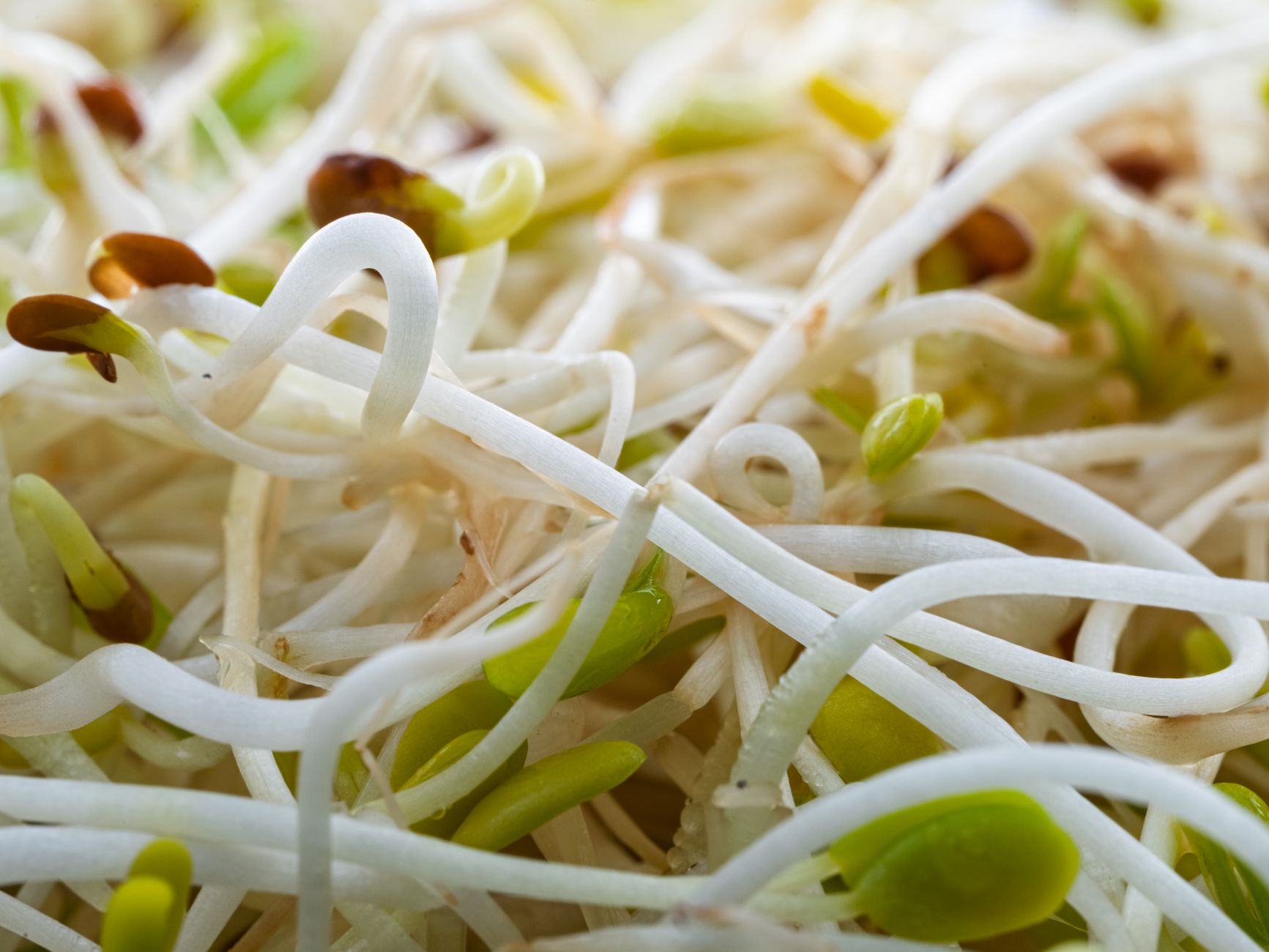
Bean sprouts are often celebrated for their crunchy texture and fresh flavor, making them a popular addition to a variety of dishes, particularly in Asian cuisine. Beyond their taste and versatility, many health-conscious eaters want to know, do bean sprouts have fiber? This article will delve into the fiber content of bean sprouts, their nutritional profile, and tips for incorporating them into your meals.
Understanding fiber’s role in our diet is essential for anyone looking to improve their overall health. Not only does fiber aid digestion, but it also helps in maintaining a healthy weight and lowers the risk of chronic diseases. Let’s explore how bean sprouts contribute to your fiber intake and much more.
Do Bean Sprouts Have Fiber?
Yes, bean sprouts do contain fiber, though the amount varies slightly depending on the type of bean sprout. Generally, a 100-gram serving of bean sprouts contains about 1.8 grams of dietary fiber. While this may not seem high, bean sprouts are often eaten in smaller portions, and they can contribute to your daily fiber needs when included in a balanced diet.
Types of Bean Sprouts
Several varieties of bean sprouts exist, with the most common being mung bean sprouts and soy bean sprouts. Each type has its unique flavor and texture, which may slightly influence their nutritional content.
Mung Bean Sprouts
Mung bean sprouts are the most frequently used in dishes like stir-fries and salads due to their crunchy texture. They are low in calories and offer a modest amount of fiber, alongside essential nutrients like vitamin C and folate.
Soy Bean Sprouts
Also known as soybean sprouts, these are larger and heartier than mung bean sprouts. They are richer in protein than their mung counterparts and also provide a similar fiber content. Soybean sprouts have a nuttier flavor, making them an excellent addition to soups and stews.
Nutritional Profile of Bean Sprouts
Aside from fiber, bean sprouts contribute various nutrients beneficial for overall health. Here’s a more detailed look at the nutritional content of a typical 100-gram serving of mung bean sprouts:
- Calories: 30
- Protein: 3 grams
- Fat: 0.2 grams
- Carbohydrates: 6 grams
- Fiber: 1.8 grams
- Vitamin C: 13.0 mg (22% of Daily Value)
- Folate: 61 mcg (15% of Daily Value)
- Iron: 0.9 mg (5% of Daily Value)
This nutrient-density makes bean sprouts a fantastic addition to a healthy diet, providing benefits beyond just fiber.
Health Benefits of Fiber
Dietary fiber plays a critical role in digestive health and overall well-being. Here are some key benefits associated with consuming adequate fiber:
1. Improved Digestion
Fiber is essential for maintaining bowel health and regularity. It adds bulk to the stool, making it easier to pass. Including fiber-rich foods like bean sprouts in your diet can help prevent constipation.
2. Weight Management
High-fiber foods can promote a feeling of fullness, which may reduce overall calorie intake. Adding bean sprouts to meals can help you feel satisfied without consuming excess calories, aiding in weight management.
3. Blood Sugar Control
Fiber slows the absorption of sugar, improving blood sugar levels. For those managing diabetes, including fiber-rich foods like bean sprouts can help maintain stable blood glucose levels.
4. Lower Cholesterol Levels
Some types of soluble fiber can help lower cholesterol levels. This can reduce the risk of heart disease over time, making fiber-rich foods an important part of a heart-healthy diet.
How to Incorporate Bean Sprouts into Your Diet
Bean sprouts are versatile and can be used in various dishes. Here are some practical ideas for adding bean sprouts to your meals:
1. Stir-fries
Add bean sprouts to stir-fries for a crunchy texture. They pair well with other vegetables, proteins, and sauces.
2. Salads
Use bean sprouts as a topping for salads to add a fresh, crisp element. They can be combined with leafy greens, carrots, and a tangy dressing.
3. Soups and Stews
Bean sprouts can enhance soups and stews. Add them in the final minutes of cooking to maintain their crunch.
4. Sandwiches
Consider adding bean sprouts to sandwiches or wraps for an extra layer of texture and flavor.
5. Spring Rolls
Bean sprouts make an excellent filling for fresh spring rolls, along with other veggies and proteins.
Portion Sizes and Serving Suggestions
When planning meals with bean sprouts, it’s essential to consider portion sizes. A typical serving of sprouts is about 1/2 cup (roughly 50 grams), providing nearly 1 gram of fiber. Here are some serving suggestions:
- Add 1/2 cup of bean sprouts into a single serving of stir-fried vegetables and use 3-4 ounces of protein.
- Top a salad with a handful (about 1/4 cup) of fresh bean sprouts for added crunch.
- Incorporate bean sprouts into a soup, keeping just 1/2 cup per bowl for a nutritious addition.
Common Mistakes When Cooking with Bean Sprouts
While cooking with bean sprouts can be straightforward, there are common mistakes to avoid:
1. Overcooking
Bean sprouts should be added towards the end of cooking to maintain their crunch. Overcooking them can lead to a mushy texture.
2. Not Rinsing
Always rinse bean sprouts under cold water before using them to remove any dirt or impurities.
3. Skipping Freshness Check
Bean sprouts can spoil quickly. Always check for signs of wilting or discoloration before using them.
Storage and Shelf Life of Bean Sprouts
To keep your bean sprouts fresh for as long as possible, proper storage is crucial. Here’s how to store them:
Refrigeration
Store bean sprouts in a paper towel-lined container in the refrigerator. This helps absorb excess moisture, which can cause spoilage. Consume within 3-5 days for optimal freshness.
Freezing
If you have more bean sprouts than you can use in time, consider blanching and freezing them. Blanch them in boiling water for 2 minutes, then immediately transfer them to an ice bath. Drain them thoroughly, and store in airtight freezer bags. Use within 2-3 months for the best quality.
Potential Drawbacks of Bean Sprouts
While bean sprouts are nutritious, it’s essential to be aware of a few potential drawbacks:
1. Risk of Bacterial Contamination
Raw bean sprouts can harbor bacteria such as E. coli or Salmonella. It’s advised to cook them before consumption, especially for vulnerable populations.
2. Allergies
Some individuals may have allergies to certain legumes, including soybeans. Be mindful if you have existing allergies.
3. Phytoestrogens
Bean sprouts, particularly soybean sprouts, contain phytoestrogens, which may affect hormone levels in sensitive individuals. Consultation with a healthcare provider is advised if this is a concern.
Practical Substitutions for Bean Sprouts
If you find yourself without bean sprouts or want to try something different, here are some substitutions that can mimic their crunch and flavor:
- Shredded cabbage: Offers a similar crunch and can be used in salads or stir-fries.
- Julienned carrots: Adds sweetness and crunch to salads and wraps.
- Chopped green onions: Provides a fresh element and complements many dishes.
Conclusion
Bean sprouts are a nutritious and versatile ingredient, contributing fiber and other essential nutrients to your meals. While they may not be the highest in fiber compared to other foods, their unique texture and flavor make them a valuable addition to a variety of dishes. Incorporating them into your diet can enhance both flavor and nutritional content.
Start adding bean sprouts to your next meal for a refreshing crunch! Whether in stir-fries, salads, or soups, they can complement numerous dishes and provide essential fiber and nutrients. For more delicious recipes, check out our bean sprouts recipe or learn more about how much fiber is in a banana.