
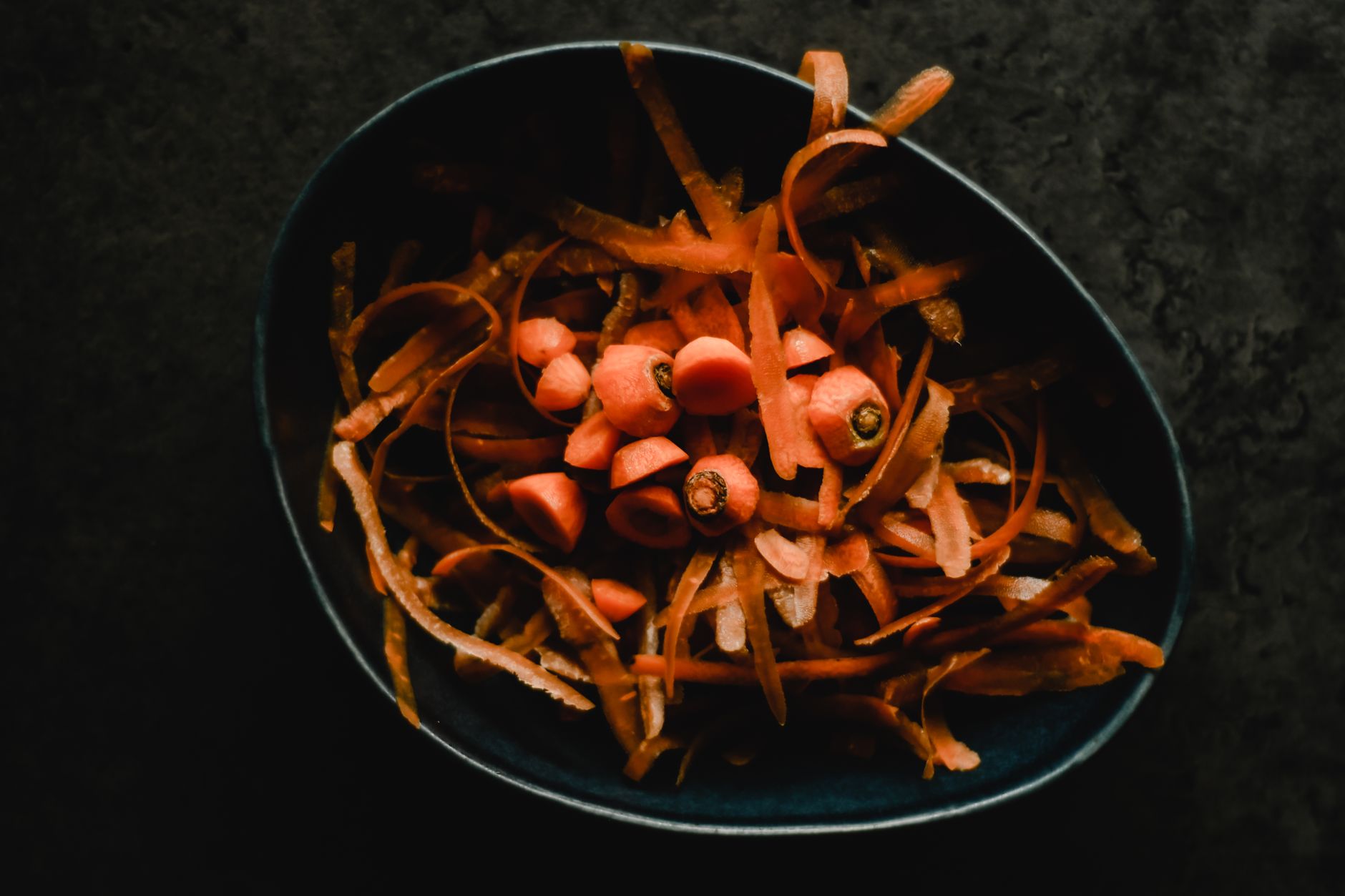
Carrots are a staple ingredient in many kitchens, prized for their versatility, natural sweetness, and nutritional benefits. But when it comes to preparing them, one question often arises: is it necessary to peel carrots? The truth is, it depends on a variety of factors including personal preference, cooking method, and how the carrots will be used.
In this article, we’ll explore the reasons for and against peeling carrots, discuss how to prepare them without peeling, and share tips for using both peeled and unpeeled carrots in your cooking. Whether you’re adding them to a stir-fry, making a salad, or enjoying them raw as a snack, knowing how to handle carrots properly will enhance your culinary skills.
Is It Necessary to Peel Carrots?
Peeling carrots is not strictly necessary. In fact, many chefs and home cooks choose to leave the skin on for added nutrients, flavor, and texture. However, whether or not you peel your carrots can depend on their intended use and personal taste preferences.
Understanding Carrot Skin
Carrot skins can carry dirt and pesticides, so proper washing is essential whether you choose to peel them or not. The skin of carrots contains many of the vitamins and nutrients, such as fiber, which are beneficial for health. When left unpeeled, carrots can retain more antioxidants, particularly in the outer layer.
When to Peel Carrots
- For Aesthetics: If you’re looking for a polished presentation, especially in finely crafted dishes or salads, peeling may be the way to go.
- For Older Carrots: If your carrots have been stored for a while, the skin might become tough or bitter. Peeling can improve taste in such cases.
- In Certain Recipes: Some recipes call for peeled carrots for specific textures, such as purees or smooth soups.
- To Remove Chemicals: If you’re concerned about pesticide residue, peeling can help reduce exposure.
When to Leave the Skin On
- For Increased Nutritional Value: As mentioned, the skin contains beneficial nutrients. Keeping it on maximizes the vitamins you can receive.
- For Texture: Unpeeled carrots provide a crunchier texture, which can be desirable in many dishes.
- For Ease: Leaving the skin on saves time and effort in preparation, making it an excellent choice for quick meals or snacks.
- For Flavor: The earthy flavor of the skin can enhance the overall taste of a dish, especially when roasted.
Preparing Carrots: Peeling Techniques
If you’ve decided to peel your carrots, here are some practical techniques to do so effectively:
Using a Vegetable Peeler
- Start by washing the carrots under cold running water to remove any dirt or impurities.
- Pat them dry with a kitchen towel.
- Hold the carrot in one hand and the vegetable peeler in the other.
- Starting from one end, draw the peeler towards you in smooth, even strokes, rotating the carrot as you go until all the outer skin is removed.
- Rinse the peeled carrots again before using them.
Using a Knife
- Similar to the peeler method, begin by washing and drying the carrots.
- Place the carrot on a cutting board, and hold it steady with one hand.
- With the knife in your other hand, cut off both ends of the carrot.
- Begin slicing off the skin by angling the knife slightly and making long, smooth strokes down the carrot’s length.
- Move the carrot as needed to ensure even peeling.
- Once peeled, rinse again before cooking.
How to Prepare Carrots Without Peeling
Preparing carrots without peeling is simple and can add an extra layer of flavor to your dishes.
Washing and Scrubbing
- First, wash the carrots under hot or cold running water.
- Use a vegetable brush or a scrub sponge to remove any dirt from the skin effectively.
- Rinse again under clean water to ensure all residual dirt and debris are gone.
- Pat the carrots dry with a kitchen towel or let them air dry.
Cutting and Cooking
Once cleaned, you can cut your unpeeled carrots according to your recipe’s requirements, whether that’s into sticks, rounds, or cubes. Here are some common cooking methods:
- Roasting: Cut the carrots into uniform pieces, toss with oil, salt, and your choice of herbs or spices, then roast in a preheated oven at 400°F (200°C) for 20-30 minutes until tender and caramelized.
- Steaming: Cut the carrots and place them in a steamer basket over simmering water for around 5-10 minutes until bright and tender.
- Stir-frying: Slice carrots into thin strips and add them to a hot pan with oil and other vegetables for a quick, flavorful dish.
- Raw: Enjoy unpeeled carrots as a crunchy snack with dips or as part of a vegetable platter.
Storage Tips for Carrots
Proper storage of carrots can help maintain their freshness whether they are peeled or unpeeled.
Storing Unpeeled Carrots
- In the Refrigerator: Place unpeeled carrots in a perforated plastic bag in the crisper drawer. This allows for moisture retention yet prevents rot by letting the carrots breathe.
- In Water: For keeping them crisp, store unpeeled carrots submerged in water in an airtight container in the refrigerator. Change the water every few days to keep them fresh.
Storing Peeled Carrots
- In an Airtight Container: Store peeled carrots in a sealed container with a damp paper towel to maintain moisture and prevent drying out.
- In Water: Similar to unpeeled, peeled carrots can also benefit from being stored in water within the fridge. Ensure the container is kept airtight.
Common Mistakes with Carrots
Understanding common mistakes can help you avoid issues when preparing and cooking carrots.
- Not Washing Thoroughly: Failing to wash carrots properly can lead to dirt or residues being present in your dishes.
- Discarding Nutrients: Many people throw away the peels without realizing their nutritional value. Consider storing peels for use in vegetable stock.
- Overcooking: Carrots can become mushy if overcooked. Aim for a tender-crisp texture for the best flavor and mouthfeel.
Carrot Variations and Substitutions
While carrots are remarkably versatile, you can always consider substitutions based on your culinary needs.
Other Root Vegetables
- Parsnips: When looking for a sweeter, nuttier flavor, parsnips can be a great alternative.
- Rutabaga: If you want a bit of a peppery bite, rutabagas can be used in the same way as carrots in many recipes.
- Sweet Potatoes: For a richer flavor, sweet potatoes can take the place of carrots in certain dishes.
Cooking and Flavor Pairings
Carrots pair wonderfully with a variety of ingredients. Here are some suggestions:
- Herbs: Thyme, dill, and parsley enhance carrot dishes beautifully.
- Spices: Cumin, coriander, and cinnamon can elevate roasted carrot flavors.
- Other Vegetables: Combine carrots with onions, garlic, and bell peppers for a delicious sauté.
Conclusion
Whether you choose to peel your carrots or leave the skin on, there are valid reasons for both choices. Peeling can provide a polished finish and remove any tough or bitter skin from older carrots, while leaving the skin on can retain nutritional benefits and enhance flavor.
As you experiment with various preparations, consider the intended use for the carrots, your personal taste, and the importance of washing. Next time you’re in the kitchen, give both methods a try and see what works best for your cooking style.
To expand your culinary repertoire, explore our carrot and raisin salad recipe, or learn more about parsnips as a versatile root vegetable.