
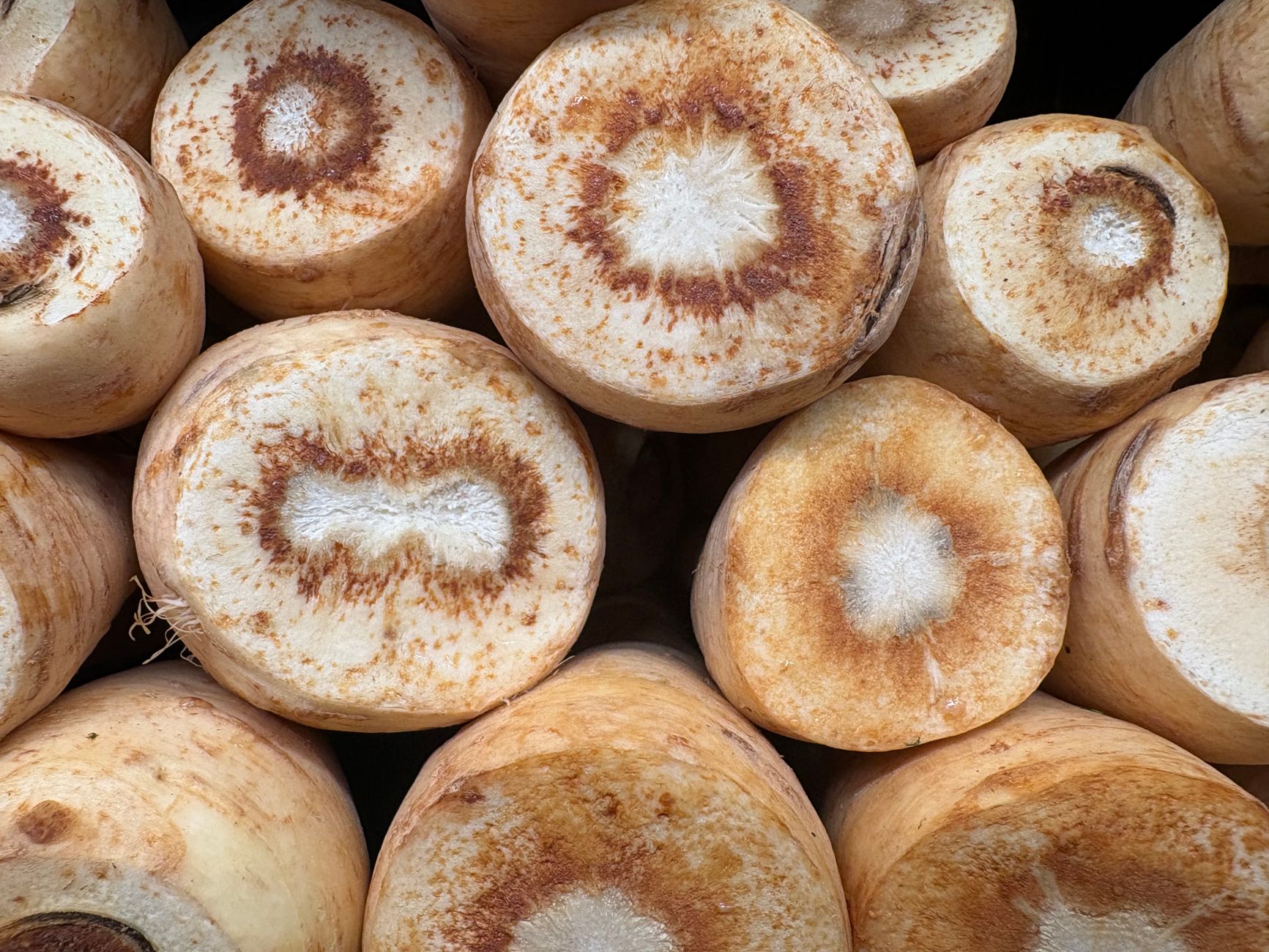
Parsnips are a root vegetable closely related to carrots and parsley, boasting a sweet, nutty flavor that intensifies with cooking. Their creamy-white color and unique texture make them a versatile ingredient in a variety of dishes, from hearty soups to roasted vegetable medleys.
Understanding parsnips can elevate your culinary repertoire. In this article, we’ll explore the characteristics, nutritional benefits, cooking methods, and storage tips for parsnips, as well as creative ways to incorporate them into your meals.
What Are Parsnips?
Parsnips (Pastinaca sativa) are biennial plants typically cultivated as annuals. They belong to the Apiaceae family, which includes carrots, celery, and parsley. Parsnips are a taproot vegetable, with a slightly sweet, earthy flavor that becomes more pronounced when roasted or cooked. They can grow up to 18 inches long and resemble pale, off-white carrots in shape and texture.
In terms of taste, parsnips have a starchy quality similar to potatoes but with a natural sweetness reminiscent of carrots, making them a fantastic addition to both savory and sweet dishes.
Nutritional Benefits of Parsnips
Parsnips are filled with essential nutrients, offering a variety of health benefits:
- Rich in Vitamins: Parsnips are an excellent source of Vitamin C, which boosts the immune system and is important for skin health. They also contain B vitamins, including folate and B6, which support energy metabolism.
- High in Fiber: Dietary fiber in parsnips promotes healthy digestion and can help manage weight by increasing feelings of fullness.
- Folate: Folate is crucial for cell function and tissue growth, making it particularly important during periods of rapid growth, such as pregnancy.
- Antioxidants: Parsnips contain antioxidants that help combat oxidative stress, potentially reducing the risk of chronic diseases.
In terms of calories, one cup of raw parsnips (about 133 grams) has approximately 100 calories, making them a nutritious choice for adding bulk to meals without excessive calories.
Selecting and Storing Parsnips
How to Select Parsnips
When shopping for parsnips, look for:
- Size: Choose medium to large parsnips, as smaller versions may be less flavorful and have a tougher texture.
- Appearance: Select parsnips that are firm, smooth, and free of blemishes or soft spots. The skin should be pale cream to light yellow in color.
- Freshness: Avoid parsnips that show signs of sprouting or excessive wrinkling, as these indicate older stock.
How to Store Parsnips
To maximize the shelf life of parsnips, adhere to the following storage tips:
- Cool, Dark Place: Store unwashed parsnips in a cool, dark, and dry place. Avoid high temperatures, as cooking might spoil them.
- Refrigerate: For longer storage, place them in the vegetable drawer of your refrigerator in a breathable bag or container. This method can keep them fresh for up to two weeks.
- Do Not Wash Until Use: Washing parsnips before storing can introduce moisture that leads to spoilage, so save the cleaning until you’re ready to cook.
Cooking with Parsnips
Parsnips can be prepared in numerous ways, making them an adaptable ingredient in many cuisines. They can be boiled, roasted, steamed, mashed, or incorporated into soups and stews.
Common Cooking Methods
- Roasting: Enhances their sweetness; coat parsnips in olive oil, salt, and pepper, then roast at 400°F (200°C) until golden and tender.
- Boiling and Mashing: Boil peeled and chopped parsnips until tender before mashing with butter and seasonings for a creamy side dish.
- Soup Base: Dice parsnips and add to soups or stews for added sweetness and texture; they pair well with root vegetables and legumes.
- Frying: Slice parsnips into thin sticks and fry for a crispy snack or side dish, similar to French fries.
Recipes Using Parsnips
Here are some delicious recipes to get you started with parsnips:
1. Roasted Parsnips with Honey and Thyme
This dish highlights the natural sweetness of parsnips and is perfect as a side for any meal.
Yield: Serves 4
Preparation Time: 10 minutes
Cooking Time: 30 minutes
Total Time: 40 minutes
Ingredients:
- 1 pound parsnips, peeled and cut into 1-inch pieces
- 2 tablespoons olive oil
- 2 tablespoons honey
- 1 tablespoon fresh thyme, chopped (or 1 teaspoon dried thyme)
- Salt and pepper to taste
Essential Equipment:
- Baking sheet
- Mixing bowl
- Knife and cutting board
Instructions:
- Preheat your oven to 400°F (200°C).
- In a mixing bowl, combine the parsnip pieces, olive oil, honey, thyme, salt, and pepper.
- Toss until the parsnips are evenly coated.
- Spread the parsnips in a single layer on a baking sheet.
- Roast for about 30 minutes, turning halfway through, until the parsnips are golden brown and tender.
2. Parsnip Mash
A creamy side dish that complements roasted meats and vegetables beautifully.
Yield: Serves 4
Preparation Time: 10 minutes
Cooking Time: 20 minutes
Total Time: 30 minutes
Ingredients:
- 1 pound parsnips, peeled and chopped
- 2 tablespoons butter
- 1/4 cup milk (or a non-dairy alternative)
- Salt and pepper to taste
- Optional: a pinch of nutmeg
Essential Equipment:
- Pot for boiling
- Potato masher or immersion blender
Instructions:
- Place the chopped parsnips in a pot of salted water and bring to a boil.
- Cook for about 15-20 minutes, or until the parsnips are fork-tender.
- Drain the parsnips and return them to the pot.
- Add the butter and milk; mash until smooth. Season with salt, pepper, and nutmeg if using.
3. Parsnip and Carrot Soup
This comforting soup is perfect for cooler months and features the rich flavors of both parsnips and carrots.
Yield: Serves 6
Preparation Time: 15 minutes
Cooking Time: 30 minutes
Total Time: 45 minutes
Ingredients:
- 1 pound parsnips, peeled and chopped
- 1 pound carrots, peeled and chopped
- 1 onion, diced
- 2 cloves garlic, minced
- 4 cups vegetable or chicken broth
- 2 tablespoons olive oil
- Salt and pepper to taste
- Optional: Fresh parsley for garnish
Essential Equipment:
- Large pot
- Immersion blender or regular blender
Instructions:
- In a large pot, heat olive oil over medium heat. Add diced onion and sauté for about 5 minutes until translucent.
- Add garlic and cook for an additional minute.
- Add the chopped parsnips and carrots to the pot, stirring for another 5 minutes.
- Pour in the broth, bring to a boil, then reduce to a simmer for about 20 minutes, until the vegetables are tender.
- Using an immersion blender, puree the soup until smooth. If using a regular blender, allow the soup to cool slightly before blending in batches.
- Season with salt and pepper to taste. Serve hot, garnished with fresh parsley if desired.
Substituting Parsnips in Recipes
If you find yourself without parsnips, several alternatives can mimic their flavor and texture:
- Carrots: The closest relative, carrots offer similar sweetness and can be used in equal measures in most recipes.
- Turnips: Boarder in flavor but provide a similar texture. Use about three-quarters of the amount in recipes.
- Sweet Potatoes: For a sweeter flavor, sweet potatoes can replace parsnips but will give a different taste profile; adjust cooking time accordingly.
Common Mistakes When Cooking with Parsnips
Here are some pitfalls to avoid when working with parsnips:
- Ignoring Size Variation: Larger parsnips can be woody, so prefer smaller or medium-sized ones for better texture.
- Overcooking: Cook parsnips until just tender for a better flavor. Overcooked parsnips can become mushy.
- Not Peeling: The skin of older parsnips can be tough, so always peel them before cooking for optimal texture.
Parsnips in Global Cuisines
Parsnips are enjoyed in various global cuisines, often utilized in traditional dishes:
- British Cuisine: Parsnips are popular in the UK, especially during winter and served often alongside roast meats, usually roasted.
- French Cuisine: In France, parsnips may be included in soups and purées, often flavored with herbs and cream.
- Middle Eastern Cuisine: Parsnips can be found in some Middle Eastern stews or as a component of mixed roasted vegetables.
Creative Ways to Use Parsnips
Beyond traditional dishes, parsnips can inspire creativity in the kitchen:
- Parsnip Fries: Cut parsnips into thin strips, season, and bake for a healthier alternative to potato fries.
- Parsnip Gratin: Layer thinly sliced parsnips with cheese and cream for a luxurious twist on potato gratin.
- Parsnip Pancakes: Grate parsnips and mix into pancake batter for a unique breakfast option.
Conclusion
Parsnips add delightful flavor and nutrition to a variety of dishes, making them an excellent addition to any kitchen. Knowing how to select, store, and cook with parsnips can open up new culinary possibilities.
Explore recipes incorporating parsnips into your repertoire, and savor their unique flavor profiles in your meals. For more cooking inspiration, check out our other articles on meal planning, roasted vegetables, and root vegetable recipes.