
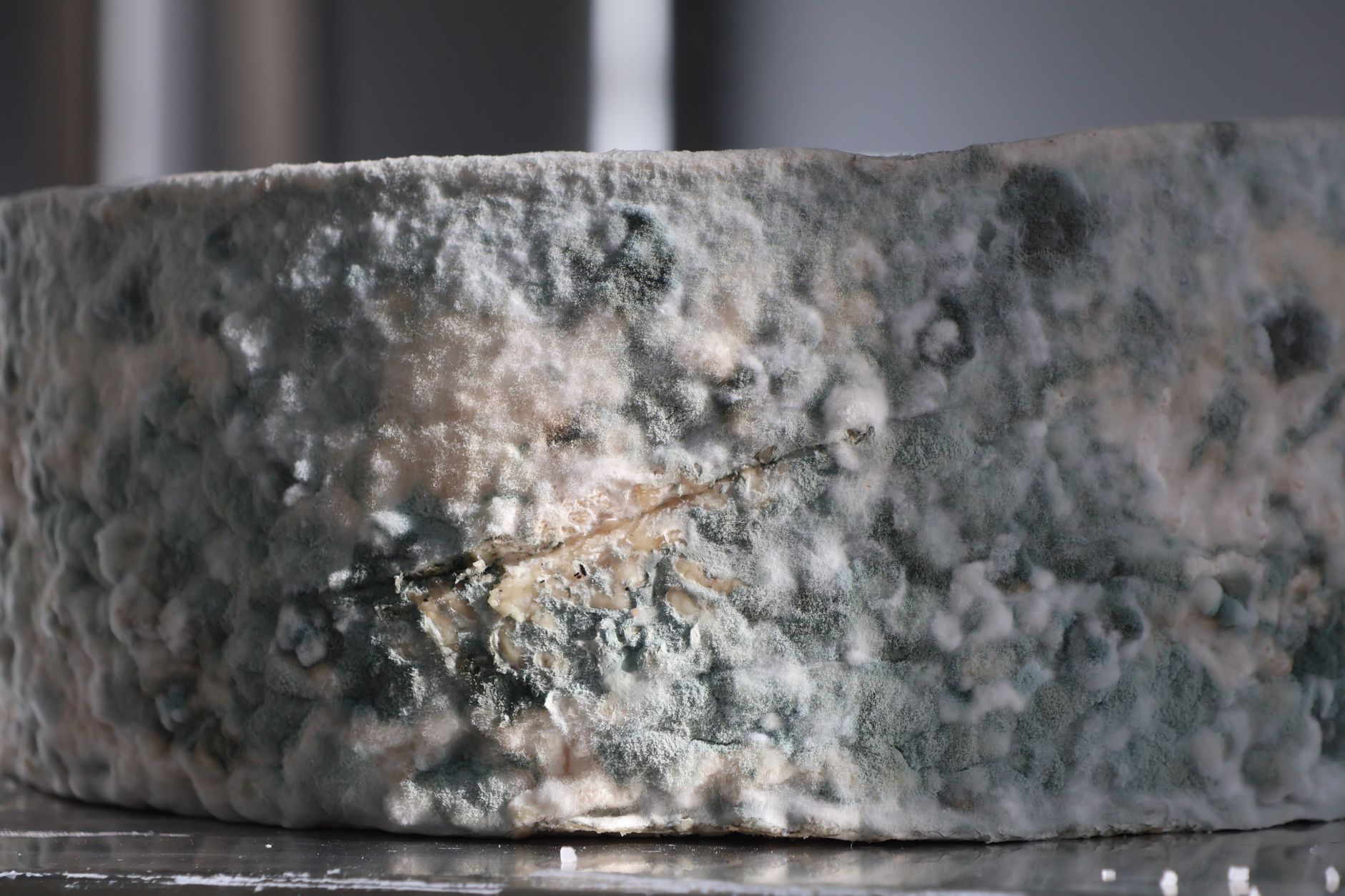
When you discover a piece of cheese in your fridge that has developed some mold, it can spark a moment of hesitation. Should you throw it away, or is it safe to consume? This article unpacks whether moldy cheese can make you sick, focusing on what types of mold are present, how to determine safety, and suggestions for handling cheese to avoid spoilage.
Cheese is one of those magnificent foods that can enhance almost any dish, but it can also pose a risk when it becomes moldy. Understanding the different types of mold, beyond just the visible ones, can help you make better decisions about your food safety.
Can Moldy Cheese Make You Sick?
Yes, moldy cheese can make you sick, but this largely depends on the type of cheese and the type of mold present. Soft cheeses are generally more susceptible to harmful bacteria than hard cheeses. Therefore, it’s crucial to differentiate between safe and potentially harmful molds.
Mold Types: Safe vs. Harmful
When it comes to cheese, it’s important to recognize that not all molds are harmful. Some molds are integral to the production of specific cheese varieties, such as blue cheese or Brie. Here’s how to categorize different molds:
- Edible Molds: These molds are intentionally introduced during the cheese-making process. For example, Penicillium roqueforti is used in blue cheeses, while Penicillium camemberti is used for Brie and Camembert. These molds are generally safe to eat.
- Harmful Molds: Alternatively, molds such as those from the Aspergillus or Fusarium family can produce mycotoxins harmful to health. Consuming cheese affected by these molds can lead to food poisoning and other serious health issues.
Types of Cheese and Their Risks
The safety of consuming moldy cheese largely depends on the type of cheese. Below are common categories of cheeses and guidance on how to handle mold in each:
1. Hard Cheeses
Examples include cheddar, parmesan, and gouda. Hard cheeses have a lower moisture content, making them less susceptible to bacteria. If you find mold on a hard cheese, you can safely cut away the moldy part, extending at least an inch beyond the visible mold. The remaining cheese should be safe to eat.
2. Semi-Hard Cheeses
This category includes varieties like Gruyère and aged Swiss. Similar to hard cheeses, if mold appears, cut away the affected area. The same one-inch rule applies, as long as your cheese hasn’t become overly moist.
3. Soft Cheeses
Examples are cream cheese, ricotta, and cottage cheese. These cheeses are more prone to harmful bacteria, and if mold appears, it’s best to discard the entire product to avoid the risk of illness.
4. Fresh Cheeses
Fresh cheeses like mozzarella and burrata should be consumed shortly after purchase. If mold develops, discard the entire container, as they are highly perishable and can harbor harmful bacteria.
5. Blue Cheeses
Blue cheeses have specific molds that are safe to consume. However, if the cheese develops an unusual or unpleasant smell, or if you see non-bluish mold, it’s better to err on the safe side and discard it.
Mycotoxins: The Hidden Danger
Mycotoxins are toxins produced by certain molds that can be harmful to human health. Symptoms of mycotoxin exposure may include nausea, vomiting, and gastrointestinal distress. Thus, it’s important to be mindful of any unusual smells or textures when evaluating cheese.
Food Safety Practices with Cheese
Practicing good food safety habits will not only help in extending the life of your cheese but also keep you healthy. Here are some tips to ensure your cheese stays safe to eat:
- Store Properly: Keep cheese in its original packaging or wrap it with wax paper to prevent moisture retention. Avoid plastic wraps as they can create a moist environment, which promotes mold growth.
- Keep Refrigerated: Always store cheese in the refrigerator at a temperature below 40°F (4°C).
- Use Clean Utensils: When cutting or serving cheese, use clean utensils to avoid cross-contamination with bacteria.
- Check Expiration Dates: Be attentive to sell-by dates and monitor your cheese regularly for any signs of spoilage or mold.
What to Do If You Accidentally Eat Moldy Cheese
If you have eaten moldy cheese, the course of action depends on how much was consumed and your health. For most healthy individuals, particularly those who have consumed small quantities of moldy hard cheese, there is usually little cause for concern. However, be vigilant about any symptoms:
- Monitor Yourself: Keep an eye on any potential symptoms including stomach discomfort, nausea, or fatigue.
- Consult a Doctor: If severe symptoms develop or you experience persistent issues, seek medical advice promptly.
Handling Moldy Cheese in Cooking
If you’re uneasy about using moldy cheese in your recipes, there are plenty of ways to incorporate cheese safely:
- Use Fresh Cheese: Opt for fresh cheeses for sauces and recipes where the cheese will be melted. This reduces the risk associated with using older, moldy cheese.
- Hard Cheese Alternatives: Consider using grated hard cheeses as toppings rather than chunks that may harbor mold.
- Plenty of Creamy Options: Creamy cheeses like ricotta or mascarpone can substitute for spicy or robust flavors in many dishes without the risks.
Conclusion
Eating moldy cheese can indeed pose health risks, but it largely depends on the type of cheese and mold in question. By learning how to manage mold and understanding safe food handling practices, you can safely enjoy a variety of cheeses without fear. Always err on the side of safety—when in doubt, throw it out!
If you want to learn more about food storage and handling, check out our guides on whether do chia seeds go bad and how long cottage cheese lasts after opening. Stay informed and happy cooking!