
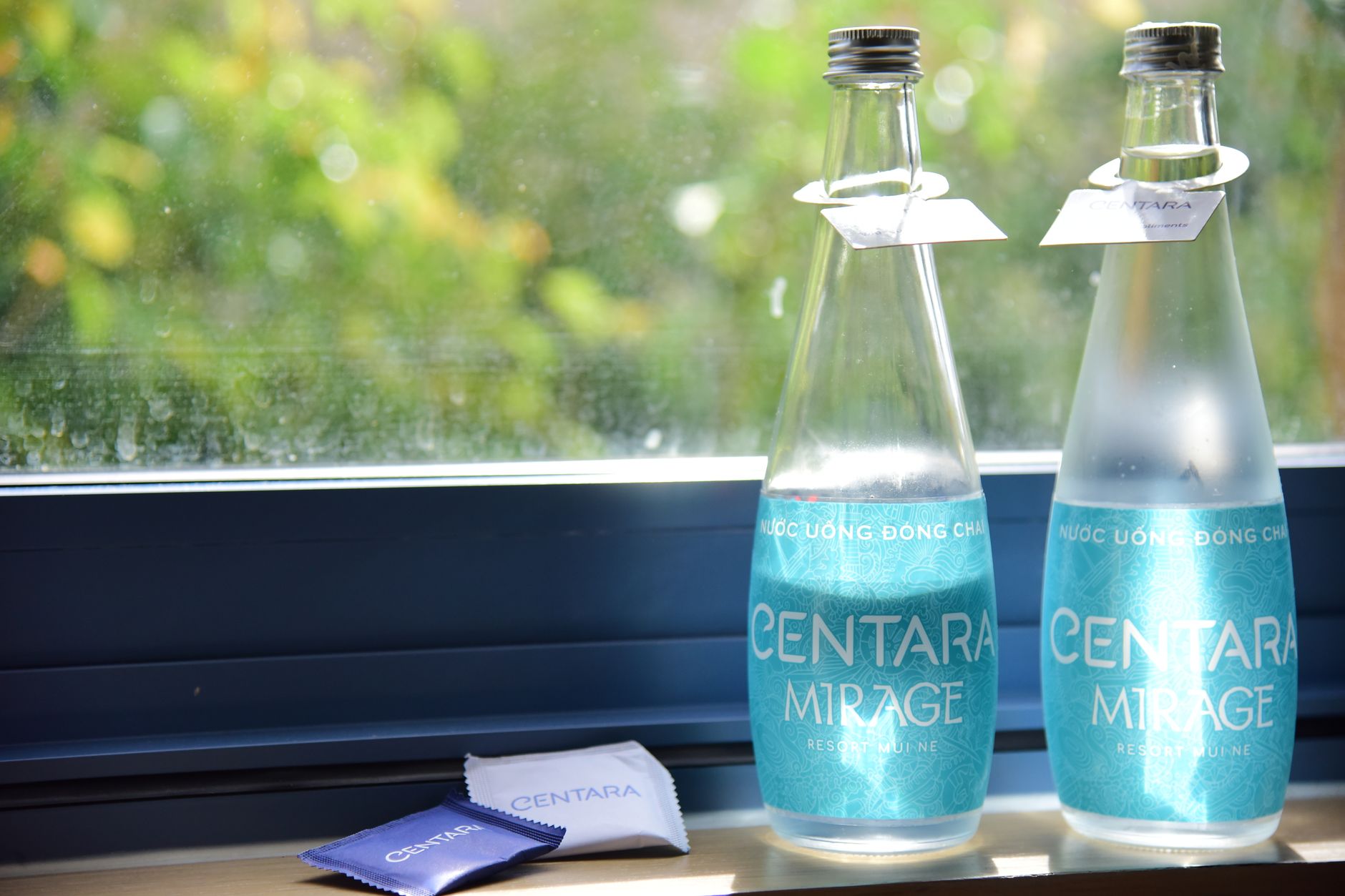
Understanding how many bottles of water equal 2 liters can be essential for meal planning, cooking techniques, and hydration awareness. Water is a crucial ingredient in many recipes, whether for cooking grains, making soups, or quenching thirst.
This article will provide insights into water measurements for cooking and hydration, helping to clarify how many standard water bottles make up 2 liters and why accurate measurements are necessary in culinary contexts.
How Many Bottle Of Water Is 2 Liters?
Two liters of water is typically equivalent to about four 500-milliliter bottles or just under seven 300-milliliter bottles. This is an important conversion for both hydration needs and cooking, aiding in recipe adjustments and meal planning.
Understanding Water Measurements
Water measurements can be confusing, especially when different bottle sizes are used. Understanding these measurements is crucial in various situations, from hydration to culinary applications. Let’s break down the common bottle sizes and their conversions for better clarity.
Common Bottled Water Sizes
- 500 Milliliters (ml): This is a common bottled water size. You will find many small bottles of water on store shelves.
- 300 Milliliters (ml): Another frequently found bottle size, popular for smaller servings.
- 1 Liter (L): A larger bottle that is common in both still and sparkling water.
Conversions for Cooking and Hydration
Here’s an easy way to visualize how much water you are dealing with:
- 1 liter = 1,000 milliliters
- 2 liters = 2,000 milliliters
This means:
- 2 liters = 4 bottles of 500 ml water
- 2 liters = approximately 6.66 bottles of 300 ml water (about 7 bottles)
- 2 liters = 2 bottles of 1 liter water
With these conversions at hand, measuring your hydration levels or adjusting recipes becomes straightforward.
The Importance of Accurate Measurements
In the culinary world, the importance of measuring water accurately cannot be overstated. Too little or too much water can affect the texture, flavor, and outcome of your dishes. Here are several scenarios where water measurement plays a critical role:
Cooking Grains
When preparing rice, quinoa, or other grains, the water-to-grain ratio is crucial. Most grains require a specific amount of water for optimal cooking:
- Rice: Typically, the ratio is 2 parts water to 1 part rice.
- Quinoa: Usually, it calls for 2 cups of water for every 1 cup of quinoa.
Misjudging water levels can lead to mushy rice or undercooked quinoa.
Making Soups and Stews
Soups often rely on sufficient water to create the desired consistency and flavor. Recipes may vary, but starting with a basic measurement of 4-6 cups of water for a pot of soup is common, depending on serving size.
Baking Needs
Water is also a key ingredient in baking—especially in bread making, where it activates yeast and contributes to dough formation. Most bread recipes vary with water ratios, but a general guideline is:
- For every 500 grams of flour, use about 300-350 ml of water.
Here, accurate measurement is vital for a proper rise and texture in the bread.
Hydration Guidelines for Daily Water Intake
Aside from cooking, understanding your daily hydration needs is essential for overall health. For adults, a common recommendation is to drink at least 2 liters (or about 8 cups) of water a day. However, individual needs can vary based on factors like activity level, climate, and overall health.
Tips for Maintaining Hydration
- Carry a refillable water bottle: This can help track your intake throughout the day.
- Set reminders: Remind yourself to drink water at regular intervals.
- Choose water-rich foods: Incorporate fruits and vegetables with high-water content into your meals, such as cucumbers, watermelons, and oranges.
Signs of Dehydration
Be aware of the symptoms of dehydration, which can include:
- Dark yellow urine
- Dizziness
- Dry mouth and throat
- Fatigue
If you face any of these symptoms, increase your water intake to restore hydration levels.
Popular Recipes That Require Water
Water is an integral ingredient in many recipes—whether it’s in beverages, cooking, baking, or meal preparation. Below are a few popular recipes and their water measurements to consider.
1. Homemade Vegetable Soup
This comforting soup is easy to prepare and refreshingly healthy. Here’s a standard recipe:
- Ingredients:
- 4 cups of water
- 2 cups of chopped vegetables (carrots, celery, onion)
- 1 cup of canned tomatoes
- Seasonings (salt, pepper, herbs)
- Preparation:
- In a large pot, bring 4 cups of water to a boil.
- Add chopped vegetables and tomatoes.
- Season and simmer for 30 minutes.
2. Basic Bread Recipe
This homemade bread recipe is an excellent introduction to baking:
- Ingredients:
- 500 grams of flour
- 300-350 ml of water
- 1 packet of dry yeast
- 1 teaspoon salt
- Preparation:
- Mix dry ingredients in a bowl.
- Add water gradually and mix until a dough forms.
- Knead the dough for 10 minutes, then let rise for 1 hour.
- Bake at 375°F (190°C) for 30 minutes.
3. Quinoa Salad
This nutritious salad is packed with flavor:
- Ingredients:
- 1 cup quinoa
- 2 cups water
- Chopped vegetables (peppers, onions, cucumbers)
- Olive oil and lemon juice for dressing
- Preparation:
- Rinse quinoa under cold water.
- Combine quinoa and 2 cups of water in a saucepan.
- Bring to a boil, reduce heat, and simmer for 15 minutes.
- Fluff with a fork, then mix in vegetables and dressing.
Practical Cooking Tips Involving Water
When working with water in cooking, remember these practical tips to enhance your experience:
Using Measurement Tools
Invest in measuring cups or a kitchen scale for precise water measurement. This ensures accuracy in your recipes and efficient cooking processes.
Adjusting Recipes
When modifying recipes to serve more or fewer people, remember to adjust water quantities proportionately. This prevents discrepancies in texture and taste.
Bottled Water vs. Tap Water
In many cases, tap water can be used effectively as a substitute for bottled water in cooking. However, if your tap water has an off taste, it might influence the final dish. Filtering your water or using bottled water where flavor infused is needed can elevate the dishes.
Common Mistakes to Avoid
Here are some common water-related mistakes and how to prevent them:
Too Much or Too Little Water
One of the biggest challenges is using improper water amounts. Always measure carefully to achieve the intended outcome in cooking or baking.
Ignoring Recipe Instructions
Some recipes may specify the type of water (e.g., filtered, mineral) for a reason. Adhering to these recommendations can affect the overall taste.
Overlooking Temperature
When using water for baking, ensure you use the right temperature. Yeast-based recipes, for instance, often require lukewarm water to activate yeast, while cold water may be needed for dough that requires chilling.
Water Storage and Safety
Storage of bottled water when cooking and preparing meals should be done with safety in mind:
Proper Storage
- Keep bottled water in a cool, dry place to maintain quality.
- Avoid exposure to direct sunlight, as it can degrade the plastic and affect the water’s taste.
Using Tap Water Safely
If using tap water for cooking, ensure it is safe and clean. Be aware of local advisories about water quality and filtration methods.
Conclusion
Knowing how many bottles of water equal 2 liters is practical for both cooking and hydration. By understanding common bottle sizes and making accurate measurements, you can enhance your cooking experience and health. Accurate water usage in recipes is crucial, whether making soups, cooking grains, or staying hydrated.
Next time you’re in the kitchen, remember these tips and consider the role of water in your culinary creations.
Explore related topics like the best bottled water to drink and how many cups of water for 1 cup of rice for additional cooking insights.