
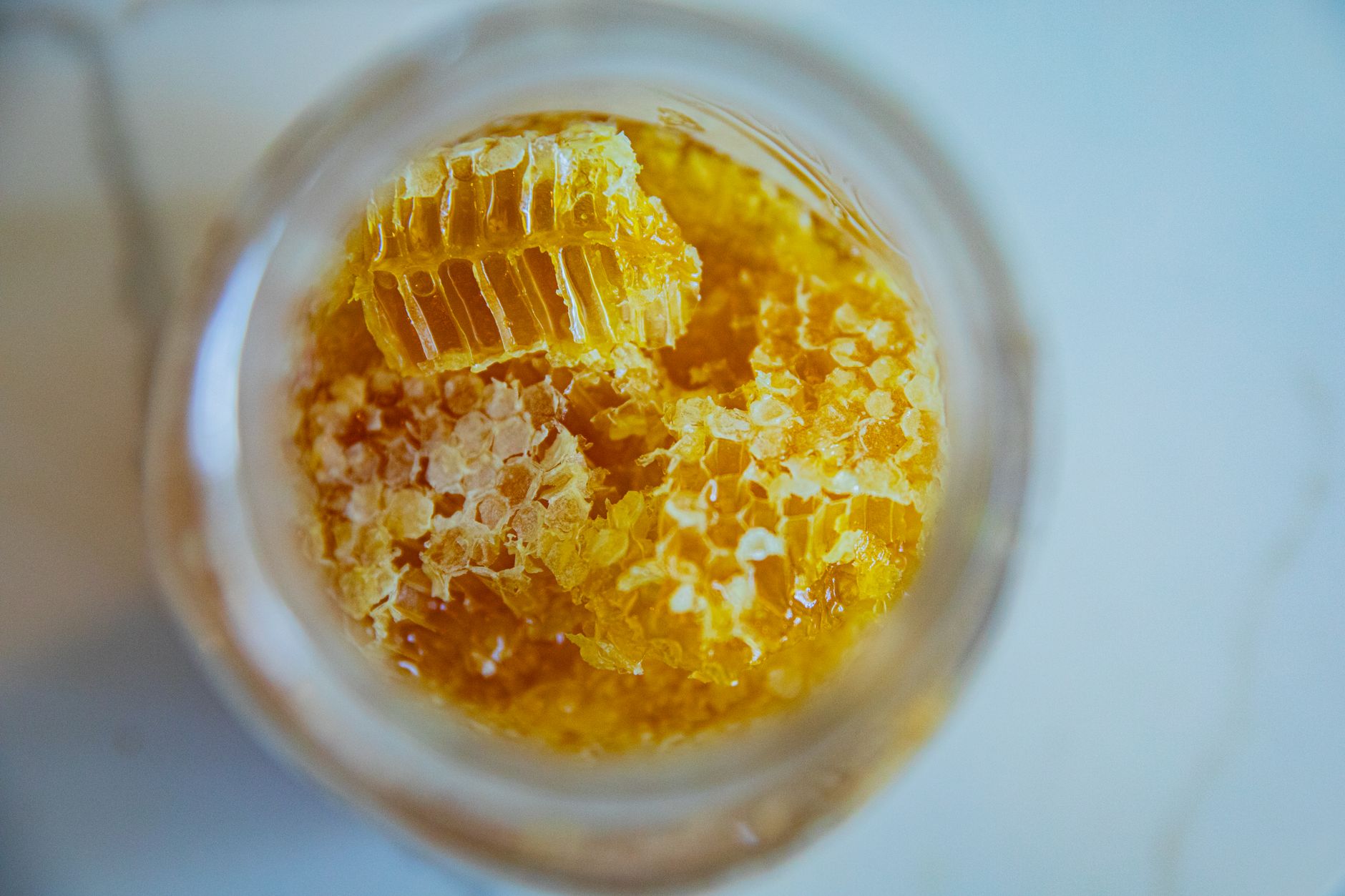
Honey, often praised for its natural sweetness, has been a staple in kitchens across the globe for centuries. However, many wonder whether honey is a liquid or solid. The answer is complex, and understanding the properties of honey can enhance your appreciation and use of this versatile ingredient in cooking and baking.
In this comprehensive guide, we will delve into the physical characteristics of honey, its uses in the kitchen, and how it can be a valuable ingredient in various recipes. You will also learn about its composition, storage tips, and more, equipping you with all the knowledge necessary for utilizing honey in your culinary adventures.
Is Honey a Liquid or Solid?
Honey is primarily classified as a liquid due to its flowable consistency at room temperature. However, it can also exhibit solid-like properties when it crystallizes. Factors such as temperature and the natural composition of honey influence this transformation.
At temperatures between 70°F and 80°F (21°C – 27°C), honey maintains a liquid state, easily pouring from a jar. Lower temperatures can cause honey to crystallize, where sugars can form solid crystals, giving it a semi-solid consistency. This crystallization process is perfectly natural and does not affect the honey’s safety or flavor.
The Composition of Honey
Understanding what honey is made of will help clarify why it can be both liquid and solid. Honey is composed of:
- Fructose (about 38%)
- Glucose (about 31%)
- Water (about 17%)
- Other sugars (about 9%)
- Vitamins, minerals, and antioxidants (about 5%)
The ratios of these components vary depending on the floral source of the nectar the bees collect, which can result in different flavors and textures. When honey has high levels of glucose, such as in clover honey, it may crystallize more quickly compared to varieties with higher fructose levels.
Crystallization: What to Expect
Crystallization is a natural phenomenon observed in honey, where glucose molecules precipitate out of the liquid solution and form crystals over time. This process can begin as soon as a few weeks after the honey has been harvested. Crystallization is not a sign of spoilage; in fact, it is often a mark of pure honey. Here’s what you can expect:
- Speed of crystallization: This varies among different honey types. Some may remain liquid for months, while others can crystallize in just a few weeks.
- Texture: When honey crystallizes, it may feel grainy or coarse and appear opaque. Sometimes, the crystals can settle at the bottom of the jar, while the upper part remains liquid.
- Color: Crystallized honey can appear lighter in color than its liquid state.
Uses of Honey in the Kitchen
Honey is a versatile ingredient with a range of culinary uses. From sweetening beverages to marinating meats, its applications are vast. Here are several ways honey can be utilized in your everyday cooking:
As a Sweetener
Honey is an excellent natural sweetener for beverages and breakfast items. Its unique flavors can enhance:
- Tea and coffee
- Smoothies and juices
- Pancakes and waffles
- Yogurt and oatmeal
When substituting honey for granulated sugar, keep in mind that honey is sweeter, so you can use less. Typically, you would use about 2/3 to ¾ cup of honey for every cup of sugar, and reduce other liquids in the recipe by about 1/4 cup.
In Baking
Honey adds moisture and flavor to baked goods. It can be used in:
- Breads
- Muffins
- Cakes
- Cookies
One important note when using honey in baking is to lower the oven temperature by about 25°F (approximately 15°C) to prevent excessive browning.
In Marinades and Dressings
Honey’s sweetness balances savory and acidic components in marinades and salad dressings:
- Honey mustard vinaigrette
- Teriyaki marinade
- Barbecue sauce
The addition of honey can enhance flavor depth and add a glossy finish to your dishes.
As a Natural Preservative
Thanks to its low moisture content and acidic pH, honey can act as a natural preservative in some recipes, especially in fruit preserves, jams, and jellies. The antimicrobial properties of honey inhibit the growth of certain bacteria, making it a great choice for extending the shelf life of homemade goods.
How to Store Honey Properly
To preserve the quality of honey and prevent crystallization, proper storage is essential. Follow these guidelines:
- Keep honey in a tightly sealed container to prevent moisture absorption.
- Store honey at room temperature in a cool, dry place, away from direct sunlight.
- Avoid refrigeration, as colder temperatures can accelerate crystallization.
If your honey does crystallize, you can return it to its liquid state by placing the jar in warm water (not over 120°F or 49°C) and gently stirring until the crystals dissolve. This method is effective and preserves the honey’s flavor and properties.
Common Honey Varieties
There are numerous varieties of honey, each possessing its unique flavor profile, color, and aroma. Some popular types include:
Wildflower Honey
Mild and fruity, this honey is made from bees pollinating various wildflowers. Its flavor varies based on the flowers in the region.
Clover Honey
One of the most common types, clover honey is light in color with a mild flavor. It’s excellent for everyday use.
Eucalyptus Honey
This honey tends to have a stronger flavor with herbal notes. It’s often used as a soothing agent for sore throats.
Manuka Honey
Known for its unique health benefits, Manuka honey is renowned for its anti-inflammatory properties and distinct flavor. It originates from the Manuka tree in New Zealand.
Orange Blossom Honey
This honey features a floral and citrus fragrance, ideal for adding depth to cocktails and dishes that require a hint of sunshine.
Practical Substitutions for Honey
If you’re out of honey or looking for alternatives, consider these substitutes. Keep in mind that flavor and texture may vary:
- Aglucose syrup: Use a similar quantity but reduce other liquid ingredients.
- Maple syrup: Use one cup maple syrup for each cup of honey, noting that it has a distinct flavor.
- Brown sugar: Mix one cup of brown sugar with ¼ cup water to replicate honey’s moisture and sweetness.
Common Mistakes with Honey
Here are a few common missteps to avoid when using honey:
- Using too much: Honey is sweeter than sugar, so using excessive amounts can overwhelm your dish.
- Neglecting temperature: Baking with honey requires a temperature adjustment to avoid burnt goods.
- Storing incorrectly: Improper storage can lead to crystallization or spoilage.
Health Benefits of Honey
Beyond its culinary uses, honey boasts several health-related properties. While not a medicine, it has been associated with various benefits:
- Antioxidant properties
- Soothing sore throats
- Boosting energy levels
Despite these potential benefits, it’s essential to consume honey in moderation, especially for those monitoring sugar intake.
Incorporating Honey into Your Daily Meals
Incorporating honey into your meals can be as simple as drizzling it over your morning oatmeal or adding it to your favorite salad dressing. Here are a few ideas to help you get started:
- Mix honey with lemon juice and olive oil for a refreshing salad dressing.
- Use honey to glaze carrots or Brussels sprouts before roasting.
- Add honey to your favorite smoothie for an energy boost.
Conclusion
Understanding whether honey is a liquid or solid has overarching implications for how it can be used in the kitchen. Its properties make it an invaluable ingredient across countless culinary applications, especially with its ability to enhance flavors, provide natural sweetness, and act as a preservative. Keep in mind its unique characteristics, proper storage methods, and potential substitutes to maximize your use of honey in your everyday cooking.
For more delicious ideas, check out these recipes for honey syrup and honey glaze to add a touch of sweetness to your meals.