
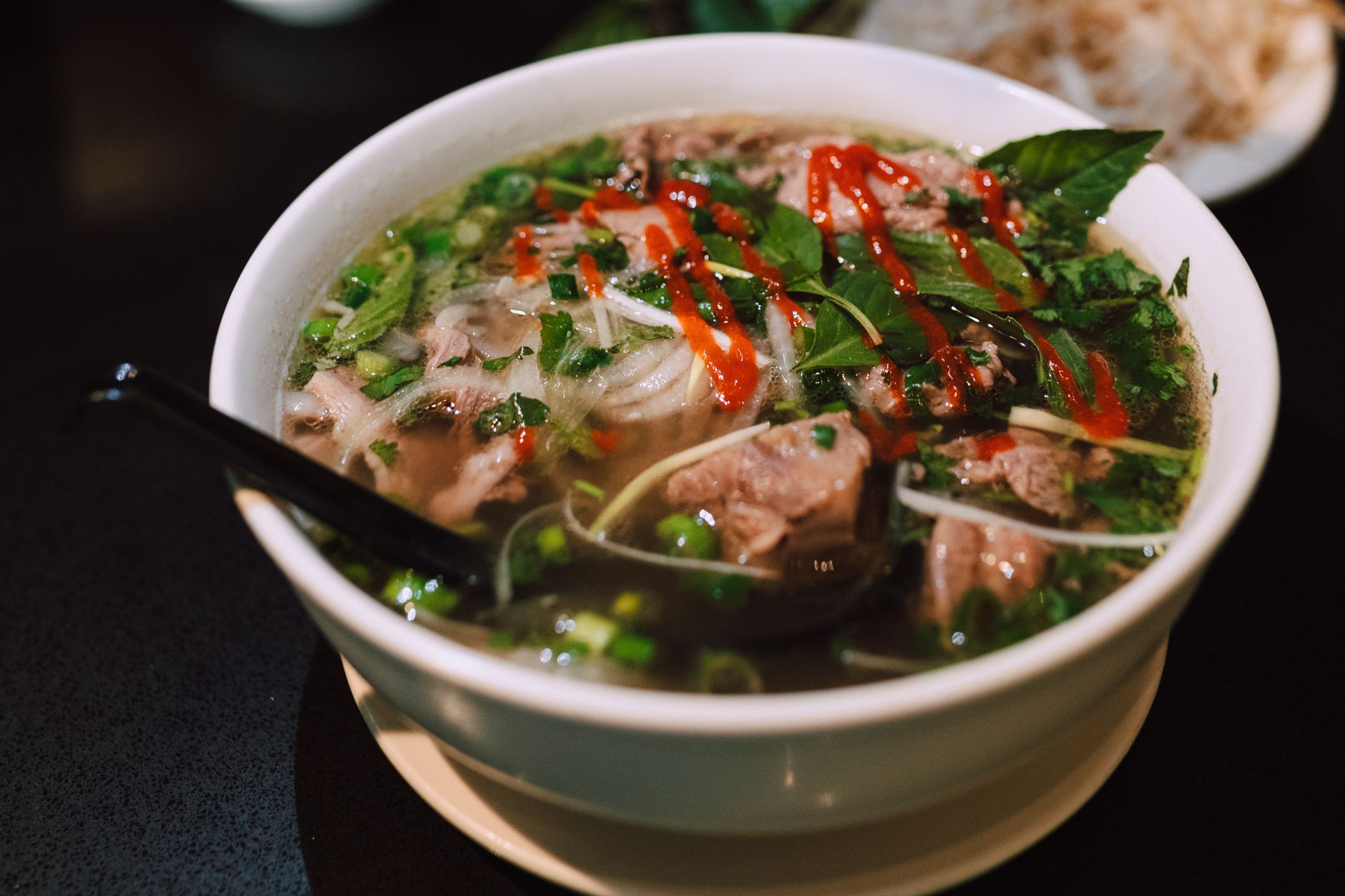
Fu, also often referred to as “tofu,” is a versatile ingredient made from soybeans. It has been a staple in many Asian cuisines for centuries, prized for its ability to absorb flavors while offering a unique texture that can vary from soft to firm. In this article, we’ll explore what fu is, its ingredients, flavor profile, types, and the best ways to serve it in your meals.
Whether you’re a seasoned chef or a culinary novice, understanding fu can enhance your cooking and allow you to create a variety of delicious dishes. Let’s get started!
What Is Fu?
Fu is a soybean-derived product created by curdling fresh soy milk and pressing the resulting curds into solid white blocks. It’s often called tofu, which is the most common name in English, but “fu” also references various types of this ingredient found in Asian cuisines. The simplicity of fu, along with its nutritional benefits, makes it a favored choice for vegetarians, vegans, and anyone looking for healthier protein sources.
Ingredients of Fu
The main ingredients of fu are:
- Soybeans: The key ingredient, rich in protein and essential amino acids.
- Coagulants: Ingredients like calcium sulfate or magnesium chloride, which help curdle the soy milk. These also contribute to the nutritional profile of fu.
- Water: Used in processing soybeans to create soy milk and to create the desired texture in fu.
Sometimes, additional flavorings or nutrients may be added depending on the type and preparation of fu. Some varieties may incorporate ingredients like herbs or spices to enhance their flavor.
Types of Fu
Fu can be categorized into different types based on texture, firmness, and preparation methods. These variations offer different experiences in cooking and eating:
- Silken Tofu: Very soft and creamy, ideal for blending into smoothies, sauces, and soups.
- Soft Tofu: A bit firmer than silken, it’s great for soups and can also be crumbled in salads.
- Firm Tofu: Holds its shape well and is perfect for stir-frying or grilling.
- Extra Firm Tofu: It has the least moisture content, making it ideal for frying and in dishes where a sturdy bite is needed.
- Pressed or Dried Tofu: This type is denser, with a more concentrated flavor and is often used in a variety of traditional dishes.
Flavor Profile of Fu
Fu is known for its relatively neutral flavor, allowing it to absorb the tastes of the ingredients with which it is cooked. The texture, which varies from silky to firm, also plays a significant role in how it presents on the plate.
When prepared correctly, fu can be subtly flavorful, creamy, or even chewy, depending on how it is cooked. Its versatility makes it easy to incorporate into sweet or savory dishes, giving it a unique edge in global cuisines.
How to Serve Fu
Serving fu can vary widely based on the type and the dish. Here are some popular ways to serve fu:
1. Soups and Stews
In many Asian cuisines, fu is often added to soups and stews. Soft tofu can be incorporated into miso soup, while firm tofu can add protein to a vegetable stew.
2. Stir-Frying
Firm and extra firm fu works well in stir-frying, where it can absorb flavor from sauces. Cut the fu into cubes and toss it with vegetables and soy sauce for a quick meal.
3. Grilling
Firm tofu can be marinated and grilled. Try recipes with marinades that include soy sauce, ginger, and garlic for a tasty addition to any barbecue.
4. Salads
Crumble soft or firm fu over salads to enhance protein content. It pairs well with vinaigrettes, adding a creamy texture and absorbing the dressing flavor.
5. Desserts
Silken tofu can be blended into desserts, providing a creamy texture in puddings or as a base for smoothies. It can also be used in vegan cheesecake recipes for added creaminess and flavor.
How to Prepare Fu
Preparing fu can be straightforward, but there are some important steps to ensure the best flavor and texture:
- Drain and Press: For extra firm and firm fu, draining off excess moisture is essential. Wrap the fu in a clean kitchen towel and place a heavy object on top for about 30 minutes to press out water.
- Marinate: After pressing, marinate the fu in your choice of sauces or spices for at least 30 minutes to enhance flavor. Soy sauce, sesame oil, garlic, or ginger work well.
- Cook: Choose to pan-fry, bake, grill, or stir-fry based on your recipe needs. Cooking techniques dramatically affect flavor—so take the time to choose one that suits your dish.
- Combine: Mix fu with your other ingredients, ensuring even distribution of flavors. For example, when sautéing vegetables, add the fu last so it warms through without getting overcooked.
Common Mistakes When Cooking with Fu
Even the best chefs can unintentionally make errors when cooking with fu. Here are some common mistakes and tips for troubleshooting:
- Not Pressing Adequately: Skipping the pressing step can result in watery dishes. Always drain excess liquid to improve texture and flavor absorption.
- Overcooking: Fu can become rubbery if cooked too long. Aim for a golden color on the exterior when frying and warm it through if added to soups.
- Neglecting to Season: Due to its bland nature, fu requires proper seasoning. Ensure to use marinades or spices effectively to enhance its flavor.
Ingredient Substitutions for Fu
If fu is not available, or you’re seeking alternatives, there are several options depending on your dietary needs:
- Tempeh: A fermented soybean product with a firmer texture, ideal for stir-frying or grilling.
- Seitan: For those not strictly plant-based, seitan is a wheat-based protein that mimics meat textures well.
- Chickpea flour (Besan): Can be used to create a more flavorful, grain-based alternative. It can also serve as a base for savory pancakes.
- Greek Yogurt: For a creamy dressing or sauce alternative, Greek yogurt can be used, keeping in mind the flavor profile will differ.
Storage and Reheating of Fu
Proper storage of fu is crucial for maintaining its quality. Here are some best practices:
- Refrigerate: Fresh fu can be stored in the refrigerator for between 3 to 5 days. Ensure it is submerged in water in an airtight container, changing the water daily.
- Freeze: If longer storage is needed, fu can be frozen. The texture will change, making it more sponge-like, but it can be advantageous for certain recipes.
- Reheating: Reheat fu by sautéing or microwaving until warm. Avoid boiling, as this can make it soggy.
Conclusion
Fu, or tofu, is a wonderfully versatile ingredient that can enhance a multitude of dishes with its unique texture and ability to absorb flavors. With various types and methods of preparation, the possibilities are endless.
Whether you want to stir-fry, grill, or incorporate it into soups and salads, fu can be a valuable addition to your culinary repertoire. Explore ways to serve and prepare fu using the ideas mentioned in this article, and don’t hesitate to experiment to find what best suits your palate.
If you’re looking to explore more topics related to fu, consider checking out what is fu or try your hand at making chia pudding with coconut milk for a refreshing dessert idea!