
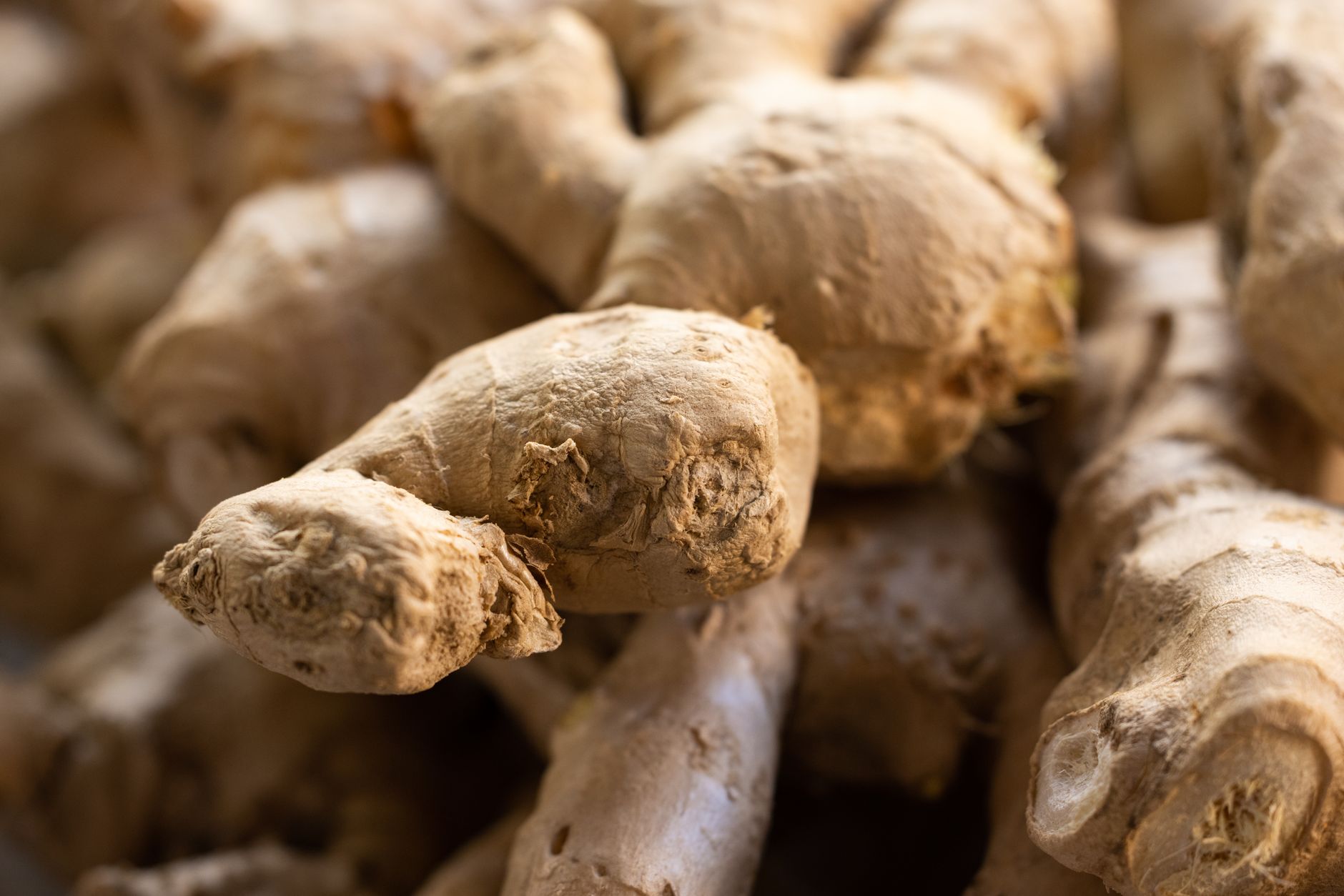
Ginger is a popular ingredient used across diverse cuisines, known for its unique flavor and potential health benefits. But one question often arises: is ginger spicy? This article dives deep into the heat level, flavor profile, culinary uses, and preparation techniques of ginger to provide a comprehensive understanding of this aromatic rhizome.
By exploring the various aspects of ginger, we aim to clarify what makes it unique and how to best incorporate it into your cooking. By the end, you’ll have a well-rounded knowledge of ginger and be empowered to use it skillfully in your dishes.
Is Ginger Spicy?
Ginger is not typically categorized as a spicy ingredient in the same way that chili peppers are. Instead, it has a warming sensation and a sharp, peppery flavor that may be perceived as mildly spicy. The spiciness of ginger comes from compounds called gingerols, which are responsible for its pungent and aromatic qualities.
The heat level of ginger varies based on its freshness and age; younger ginger tends to have a milder flavor, whereas older ginger can pack a more pungent punch. This guide will break down everything you need to know about ginger’s heat levels, flavor nuances, and how to effectively use it in cooking.
Understanding Ginger’s Heat Levels
The spiciness of ginger can fluctuate due to several factors, including the variety, freshness, and preparation method. To better understand ginger’s heat levels, consider the following:
1. Fresh Ginger vs. Dried Ginger
Fresh ginger, found in the produce section, possesses a vibrant and zesty flavor that is often described as mildly hot. Dried ginger, on the other hand, undergoes a dehydration process that concentrates its flavor, resulting in an intensified heat. When substituting, it’s important to note that one tablespoon of fresh ginger generally equates to one teaspoon of dried ginger.
2. Young Ginger vs. Mature Ginger
Younger ginger, often referred to as “baby ginger,” is typically harvested early and retains a tender texture with a milder taste. Mature ginger has a tougher skin, and its flavor is more assertive, with a stronger bite. When using ginger, knowing which type you’re working with can help you tailor recipes to achieve the desired flavor profile.
3. Cooking Methods
The preparation and cooking methods also impact ginger’s perceived spiciness. For example, raw ginger in ginger tea or salad dressings delivers a sharper flavor than cooked ginger, which tends to mellow out and blend more smoothly with other ingredients. Sautéing or roasting ginger can bring out its natural sweetness while softening its initial bite.
The Flavor Profile of Ginger
Understanding the flavor profile of ginger is crucial in both culinary applications and flavor pairings. Here’s an exploration of ginger’s taste characteristics:
1. Earthy and Pungent
Fresh ginger has earthy notes, resulting from its high essential oil content. When you bite into fresh ginger, you’ll notice an invigorating spice that can stimulate the palate, accompanied by a pleasant warmth that can linger. This pungent quality makes ginger a preferred choice in curries, stir-fries, and marinades.
2. Citrus Undertones
Alongside its warmth, ginger carries subtle citrusy undertones, which add brightness to dishes. This unique combination makes it an excellent addition to both savory and sweet recipes, allowing for a harmonious balance of flavors.
3. Sweetness
Many people underestimate ginger’s sweet side. When used in baking, such as in gingerbread cookies or cakes, ginger complements the sweetness of sugar and molasses, providing depth and warmth. The sweetness found in ginger can also enhance savory dishes, making it versatile in various culinary applications.
Culinary Uses and Cooking Techniques
Incorporating ginger into your cooking can elevate your dishes and provide a delightful kick. Here are some common ways ginger is used in various cuisines:
1. Asian Cooking
Ginger is a cornerstone of many Asian cuisines, particularly in Chinese, Japanese, and Thai dishes. It is frequently used in stir-fries, marinades, and sauces. When blanching vegetables or making dumplings, adding freshly minced ginger can enhance the overall flavor profile.
2. Baking and Sweets
Ginger is a beloved ingredient in baked goods, especially during the fall and winter seasons. It is commonly used in gingerbread cookies, spiced cakes, and pastries. The natural warmth and spiciness of ginger blend seamlessly with molasses and cinnamon, creating comforting desserts that are sure to please.
3. Beverages
Ginger can add a spicy twist to both hot and cold beverages. From soothing ginger teas to refreshing ginger-infused cocktails, its versatility shines through. To make ginger tea, steep fresh ginger slices in hot water for about 10-15 minutes; add lemon and honey for extra flavor.
Tips for Cooking with Ginger
To maximize the impact of ginger in your cooking, consider these practical tips:
- Freshness matters: Always opt for fresh ginger when possible. Look for firm roots with smooth skin and a strong aroma. Avoid dried-out or shriveled pieces.
- Peeling ginger: Use a spoon to scrape off the thin skin of fresh ginger, which helps to preserve more of its fleshy interior. You can also cut the skin with a knife if preferred.
- Grating vs. slicing: Depending on your recipe, you may want to grate, mince, or slice ginger. Grating ginger releases more of its juices and essential oils, making it ideal for dressings and marinades.
- Storage: Keep fresh ginger in the refrigerator wrapped in a paper towel and placed in a sealed plastic bag to help maintain humidity. Alternatively, ginger can be stored in the freezer; just peel and chop it first.
Common Substitutes for Ginger
While fresh ginger is preferred for its flavor and aroma, there are several substitutes if you happen to run out:
- Ground Ginger: A common substitute for fresh ginger in recipes; use 1 teaspoon of ground ginger for every tablespoon of fresh ginger. Keep in mind that ground ginger lacks the fresh and zesty flavor of its raw counterpart.
- Galangal: Related to ginger, galangal offers a citrusy and peppery flavor. It’s often used in Thai cooking. You can use it in equal amounts as a substitute.
- Cardamom: While not identical in flavor, cardamom has a warm and fragrant profile. Use it as a substitute, especially in baking, at a 1:2 ratio—use half the amount of cardamom compared to ginger.
Common Mistakes When Using Ginger
Even experienced cooks can make mistakes when working with ginger. Here are some to watch out for:
- Using old or dried-out ginger: Old ginger can have a bitter taste and diminished flavor. Always choose fresh ginger for the best results.
- Overcooking ginger: Prolonged cooking can reduce the pungency and flavor of ginger. Add it towards the end of cooking to retain its aromatic qualities.
- Not balancing flavors: When integrating ginger into dishes, balance it with other flavors like sweetness or acidity to prevent it from overwhelming the dish.
Storage Options for Ginger
Correctly storing ginger helps maintain its freshness and flavor. Here are options for storing fresh ginger:
- Refrigeration: Place unpeeled ginger in a paper towel and then in a resealable plastic bag. This helps control humidity and keeps it fresh for several weeks.
- Freezing: To extend its shelf life further, peel and chop ginger, then freeze in an airtight container or freeze in ice cube trays with water for easy portioning later.
Conclusion
Ginger is a versatile ingredient with a unique flavor that can contribute warm and zesty notes to a variety of dishes. While it may have a mildly spicy quality, its impact is more pronounced through its aromatic and warm characteristics. By understanding its flavor profile, how to use it effectively, and tips for storage and substitution, you can enhance your cooking and broaden your culinary repertoire.
Next time you’re in the kitchen, don’t hesitate to utilize ginger’s vibrant flavor in your recipes, elevating both the taste and quality of your meals. Explore more about this fantastic ingredient at What is Ginger and try making some ginger syrup with our guide at Ginger Syrup Recipe.