
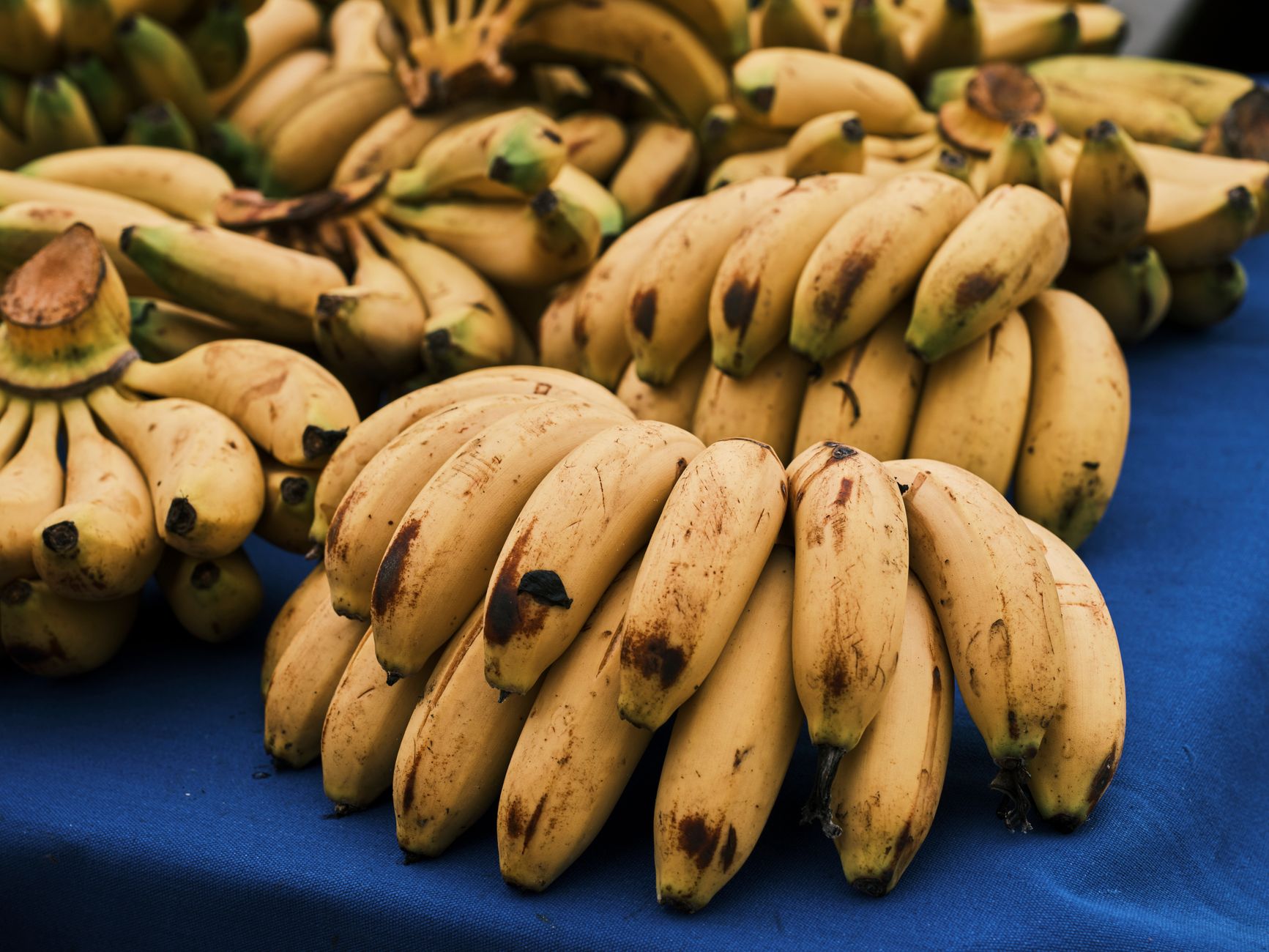
Bananas are not just a convenient snack; they are a powerhouse of essential nutrients that contribute significantly to a balanced diet. Packed with vitamins and minerals, they offer a multitude of health benefits that support everything from digestive health to heart health. In this article, we will explore why bananas are good for you, diving into their nutritional value, health benefits, and practical ways to incorporate them into your daily meals.
Understanding the value of bananas goes beyond just their taste and convenience. Whether you’re looking to improve your energy levels, enhance your mood, or support your overall health, bananas are worth considering as a staple in your diet. Let’s break down what makes this fruit so beneficial.
Why Are Bananas Good for You?
Bananas are rich in essential nutrients and provide a variety of health benefits. They are particularly known for their high potassium content, which is vital for maintaining heart health and proper muscle function. Additionally, bananas are an excellent source of dietary fiber, vitamin C, and other essential vitamins and minerals.
Nutritional Profile of Bananas
To understand why bananas are considered healthy, it is essential to analyze their nutritional profile. Here are some key nutrients found in an average medium banana (approximately 7-8 inches long):
- Calories: 105
- Carbohydrates: 27 grams
- Fiber: 3 grams
- Protein: 1.3 grams
- Fat: 0.3 grams
- Sugars: 14 grams
- Potassium: 422 mg (about 12% of the daily recommended intake)
- Vitamin C: 10% of the daily recommended intake
- Vitamin B6: 20% of the daily recommended intake
Health Benefits of Bananas
Now that we have a clear picture of their nutritional content, let’s explore the various health benefits that bananas provide.
1. Heart Health
One of the standout features of bananas is their high potassium content. Potassium is crucial for maintaining proper heart function and regulating blood pressure. Adequate potassium intake helps counteract the effects of sodium, reducing the risk of developing hypertension. According to experts, a diet rich in potassium from foods like bananas can significantly lower the risk of stroke and heart-related diseases.
2. Digestive Health
Bananas are an excellent source of dietary fiber, which is essential for healthy digestion. A medium banana contains around 3 grams of fiber, which aids in preventing constipation, promoting regular bowel movements, and maintaining gut health. The soluble fiber in bananas forms a gel-like substance that can help regulate blood sugar levels and improve overall digestive health.
3. Energy Boost
Bananas are often referred to as nature’s energy bar. The carbohydrates in bananas provide a quick source of fuel for your body, making them ideal for athletes and those needing an energy boost throughout the day. Consuming a banana before or after a workout can help replenish energy stores and enhance performance.
4. Mood Enhancement
Bananas contain tryptophan, an amino acid that the body converts into serotonin, which is known as the “feel-good” hormone. Increasing serotonin levels can help elevate mood and promote feelings of well-being. Additionally, the carbohydrates in bananas can help facilitate the absorption of tryptophan in the brain, further contributing to a positive mood.
5. Weight Management
Due to their fiber content and natural sweetness, bananas can aid in weight management. High-fiber foods can help you feel full longer, reducing overall calorie intake. Furthermore, bananas can satisfy sweet cravings, making them a healthier alternative to sugary snacks and desserts.
6. Nutrient Rich
In addition to potassium, bananas provide a variety of vitamins and minerals. They are rich in vitamin C, which helps boost the immune system and promotes skin health. Bananas also contain vitamin B6, which is essential for brain health and the production of neurotransmitters.
Portion Control and Serving Suggestions
While bananas are a healthy addition to any diet, moderation is key. The recommended serving size is typically one medium banana per day, depending on your overall dietary needs and caloric intake. Here are some creative and practical ways to incorporate bananas into your daily meals:
- Breakfast: Add sliced bananas to oatmeal or yogurt for natural sweetness and additional fiber.
- Smoothies: Blend bananas with spinach, almond milk, and protein powder for a nutrient-packed smoothie.
- Snacks: Enjoy a banana on its own, or pair it with nut butter for a filling snack.
- Baking: Use ripe bananas in banana bread, muffins, or pancakes for natural sweetness and moisture.
- Frozen Treats: Freeze bananas and blend them for a healthy ice cream alternative or slice and add them to fruit salad.
Substituting Bananas
Bananas can serve as an excellent substitute for various ingredients in baking and cooking. Here are some common substitutions along with their impacts:
- In Baking: Replace one egg with 1/2 a mashed banana for moisture and binding in recipes for muffins or pancakes.
- As a Sweetener: Substitute sugar with mashed bananas in baked goods; use about 1/2 cup of mashed bananas for every cup of sugar.
- In Smoothies: Instead of using added sweeteners, blend bananas for a natural sweetness in smoothie recipes.
Common Mistakes and Troubleshooting
Understanding how to handle bananas correctly can help you avoid common mistakes. Here are a few tips to keep in mind:
- Storing bananas at room temperature allows them to ripen properly. If you want to slow down the ripening process, store them in the fridge. Note that the skin may darken, but the fruit inside will remain fresh longer.
- Avoid refrigerating unripe bananas, as this will halt their ripening process entirely.
- To prevent browning when using bananas in recipes, squeeze a little lemon juice over cut bananas.
Storing Bananas
To maximize the shelf life and flavor of bananas, follow these storage tips:
- Keep bananas at room temperature until they reach your desired ripeness.
- If you have leftover cut bananas, store them in an airtight container in the refrigerator to slow down browning.
- For overripe bananas, freezing them can extend their shelf life. Simply peel and store in a freezer bag for use in smoothies or baking later.
Conclusion
Bananas are a versatile fruit that offers impressive health benefits and nutritional value. Their potassium content, fiber, and ability to enhance mood make them an excellent choice for anyone looking to improve their health. Incorporating bananas into your daily diet can help you stay energized, support digestive health, and manage your weight more effectively.
For a practical next step, consider incorporating bananas into your breakfast routine or snack options. Bananas can add nutritional value and satisfaction to your meals and snacks while helping you maintain a healthy lifestyle. If you want to learn more about bananas, check out how much fiber is in a banana or explore where bananas come from.