
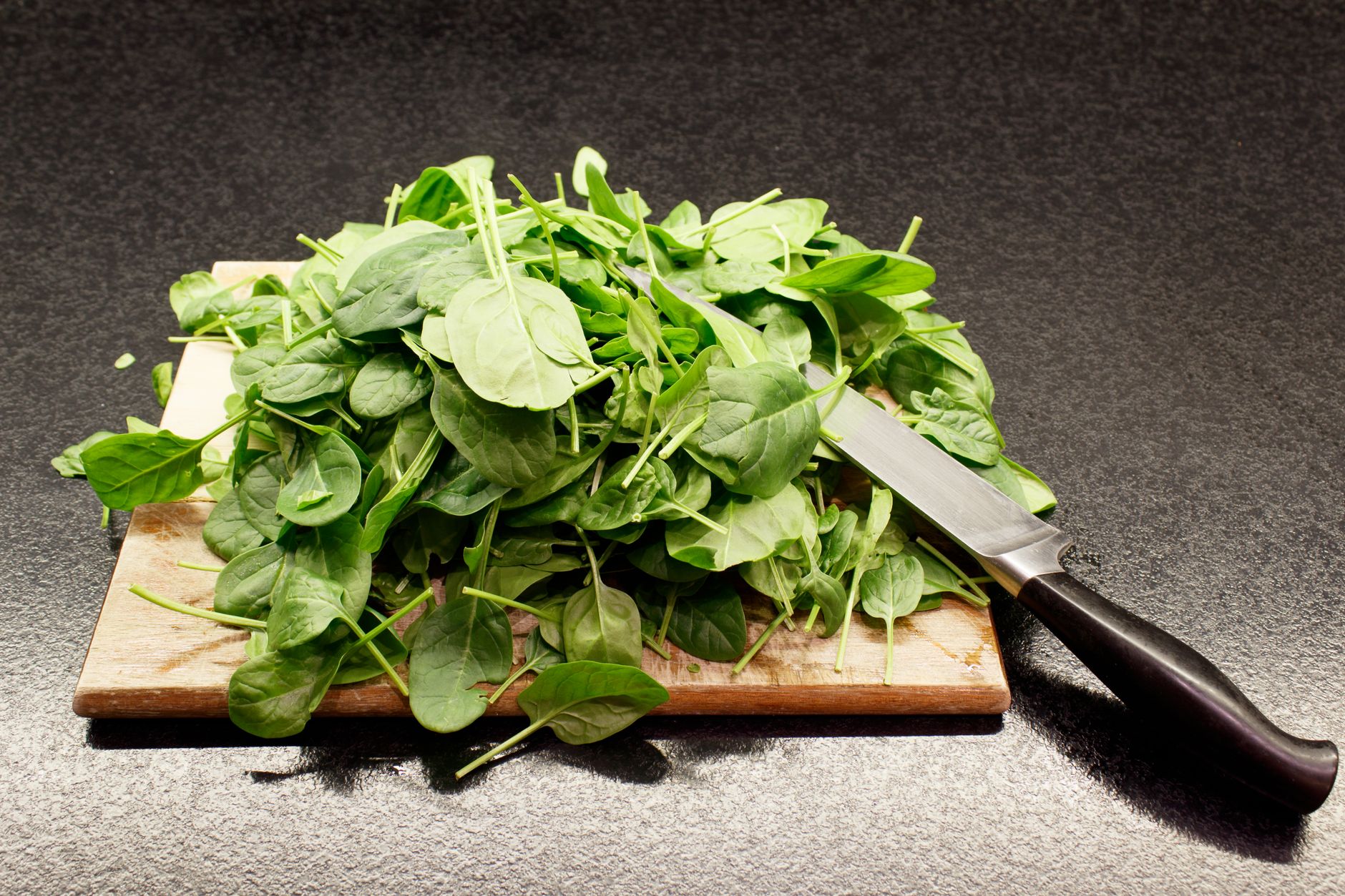
Fresh spinach is a nutritious and versatile leafy green that can enhance a variety of dishes. However, it has a limited shelf life, which raises the question: can you freeze fresh spinach? Freezing spinach is not only possible, but it can also help extend its freshness, making it a great option for meal prep and reducing food waste.
By properly freezing fresh spinach, you can preserve its flavor, texture, and nutritional value. This guide will provide practical tips on how to freeze spinach successfully, thaw it effectively, and use it in your favorite dishes, ensuring you enjoy the benefits of this leafy green all year round.
Can You Freeze Fresh Spinach?
Yes, you can freeze fresh spinach. Freezing spinach is an excellent way to store large quantities and keep it available for various recipes later. However, it is essential to prepare the spinach correctly before freezing to maintain its quality.
Why Freeze Fresh Spinach?
Freezing fresh spinach offers numerous benefits:
- Preservation: Freezing helps maintain the spinach’s nutrients, flavor, and color for months.
- Convenience: Having frozen spinach on hand allows for quick meal preparation and reduces waste.
- Cost-effective: Buying spinach in bulk and freezing it can save you money in the long run.
Best Time to Freeze Spinach
The best time to freeze spinach is when it is fresh, vibrant, and at its peak ripeness. Look for spinach that is deep green and crisp. Avoid any leaves that are yellowed or wilting.
How to Prepare Fresh Spinach for Freezing
Preparing spinach for freezing involves a few crucial steps:
1. Selection and Cleaning
- Choose fresh spinach leaves that are free from blemishes and dirt.
- Rinse the spinach thoroughly under cold water to remove any dirt and insects. You may need to rinse it in several changes of water, especially if it came from a garden.
- Drain the spinach in a colander, then pat it dry with a clean kitchen towel or use a salad spinner to remove excess moisture.
2. Blanching Spinach
Blanching is a vital step in preparing spinach for freezing as it helps preserve color, texture, and nutrients. Here’s how to do it:
- Bring a large pot of water to a rolling boil.
- Prepare an ice bath by filling a large bowl with cold water and ice cubes.
- Add the cleaned spinach to the boiling water and blanch for about 2 minutes. Stir occasionally to ensure even blanching.
- Using a slotted spoon or a strainer, quickly transfer the spinach to the ice bath to stop the cooking process. Let it cool for another 2 minutes.
- Once cooled, remove the spinach from the ice bath and drain again.
3. Packaging for Freezing
After blanching, it’s time to package the spinach for freezing:
- Gently squeeze out any excess moisture from the spinach using your hands or a clean kitchen towel.
- Consider portioning the spinach into individual servings based on your typical use (like in smoothies, soups, or casseroles).
- Place the spinach in freezer-safe bags or airtight containers, removing as much air as possible before sealing. This helps prevent freezer burn.
- Label the bags or containers with the date of freezing to keep track of freshness.
4. Freezing the Spinach
Lay the freezer bags flat in the freezer to save space and allow them to freeze evenly. Once frozen solid, you can store them upright if needed.
Thawing Frozen Spinach
Thawing spinach properly is essential to maintain its quality. Here are some methods for thawing frozen spinach:
1. Refrigerator Thawing
The best way to thaw spinach is to move it from the freezer to the refrigerator a few hours or the night before you plan to use it. This gradual method helps maintain texture and flavor.
2. Quick Thawing
If you are in a hurry, you can thaw spinach quickly:
- Place the frozen spinach in a microwave-safe bowl and cover it with a microwave-safe lid.
- Use the defrost setting on your microwave to thaw the spinach for 1 to 2 minutes, checking it regularly until it is thawed.
- Alternatively, run cold water over the sealed bag of spinach until it is thawed.
3. Cooking from Frozen
In many recipes, you can add frozen spinach directly without thawing. Just remember to adjust the cooking time and maybe add a little extra moisture to your dish if needed.
Using Frozen Spinach in Cooking
Frozen spinach can be a great addition to a variety of recipes. Here are some popular ways to use it:
- Soups and Stews: Add frozen spinach to soups or stews during the last few minutes of cooking for added nutrition and color.
- Smoothies: Blend frozen spinach into smoothies for a healthy boost without compromising texture.
- Egg Dishes: Incorporate frozen spinach into omelets, frittatas, or quiches for a nutritious breakfast or brunch option.
- Pasta: Stir frozen spinach into pasta sauces or mix it into risottos for added flavor and nutrients.
Common Mistakes to Avoid When Freezing Spinach
To ensure your frozen spinach retains its quality, avoid these common pitfalls:
- Skipping the Blanching: Failing to blanch spinach before freezing can result in loss of flavor and texture.
- Not Drying Properly: Excess moisture can lead to freezer burn or affect the quality of the spinach when cooking.
- Freezing Large Bunches: Freezing spinach in large quantities can make it challenging to use later. Portioning is essential.
Storage Tips for Frozen Spinach
Proper storage techniques can enhance the longevity of your frozen spinach. Here are some tips:
- Consume frozen spinach within 6 to 12 months for the best quality. While it may remain safe beyond this period, the taste and texture may decline.
- Avoid refreezing thawed spinach, as this can lead to a mushy texture.
- Keep your freezer at a constant temperature of 0°F (-18°C) or lower to maintain the quality of frozen foods.
Conclusion
Freezing fresh spinach is a practical and effective way to enjoy this nutritious vegetable long after its season. By following the steps outlined in this guide, you can preserve spinach’s flavor, texture, and nutritional benefits. Whether in stews, smoothies, or pasta, frozen spinach can be a fantastic addition to countless meals.
To learn more about using chicken in your meals, check out our guide on freezing cooked chicken. Additionally, if you’re curious about how much protein is in spinach, visit our page on protein content in spinach. Explore these resources to enhance your culinary journey!