
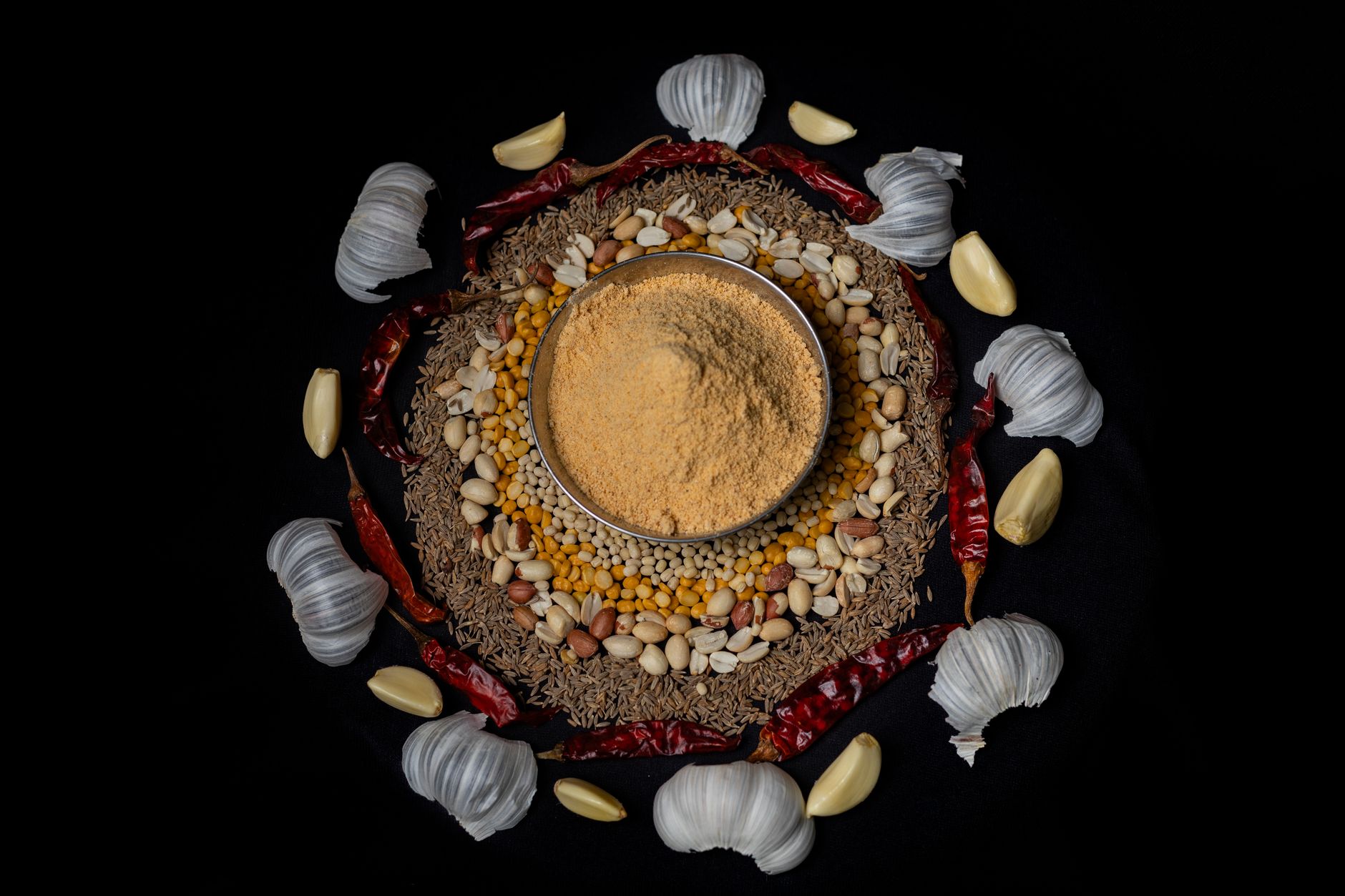
Garlic powder is a common seasoning found in kitchens around the world, praised for its convenience and flavor. Many home cooks and chefs alike enjoy using it as a way to add a distinct garlic taste to a wide variety of dishes. But beyond its culinary uses, you might wonder: is garlic powder good for you?
In this article, we will explore the nutritional aspects of garlic powder, its health benefits, possible drawbacks, and how it compares to fresh garlic. Understanding these elements will help you make informed choices about incorporating garlic powder into your cooking.
What Nutritional Benefits Does Garlic Powder Offer?
Garlic powder is not just a flavor enhancer; it also brings some nutrients to the table. Although it is a dehydrated form of garlic, it retains a significant amount of beneficial compounds. Here’s a breakdown of its nutritional content:
- Calories: Garlic powder is low in calories, with approximately 30 calories per tablespoon.
- Vitamins and Minerals: Garlic powder contains small amounts of vitamins and minerals, including vitamin B6, vitamin C, manganese, and selenium.
- Antioxidants: It is rich in antioxidants, particularly allicin, which may help combat oxidative stress in the body.
These nutrients contribute to overall health, and while garlic powder may not replace other food sources of vitamins and minerals, it can still play a role in a balanced diet.
Health Benefits of Garlic Powder
Garlic powder has been linked to various health benefits. Here are some potential advantages of incorporating it into your diet:
1. Antimicrobial Properties
Garlic powder has natural antibacterial and antifungal properties. The compound allicin, formed when garlic is chopped or crushed, exhibits the ability to combat bacteria and fungi. This makes garlic powder a valuable addition to recipes aimed at supporting health.
2. Cardiovascular Health
Research suggests that garlic powder may help improve heart health. It has been linked to lower blood pressure and cholesterol levels, reducing the risk of cardiovascular disease. Its ability to promote blood circulation can also contribute to overall heart health.
3. Antioxidant Effects
Garlic powder is rich in antioxidants, which can help reduce oxidative stress in the body. Antioxidants are essential for neutralizing free radicals that can cause cellular damage and potentially lead to chronic diseases.
4. Immune System Support
Adding garlic powder to your diet may strengthen the immune system, helping the body fight off infections more effectively. Its antimicrobial properties also contribute to this benefit.
5. Potential Cancer Protective Effects
Some studies suggest that garlic consumption may be associated with a reduced risk of certain types of cancer, including stomach and colorectal cancers. The compounds in garlic may have protective effects against the formation of cancer cells.
Are There Any Downsides to Garlic Powder?
While garlic powder offers several health benefits, there are also some considerations to keep in mind:
- Allergies: Some individuals may have allergies to garlic and should avoid garlic powder altogether.
- Digestive Issues: Garlic can cause stomach upset, gas, or bloating in some people, particularly when consumed in large amounts.
- Processing Concerns: Garlic powder is processed and dehydrated, which may reduce some nutrients found in fresh garlic. It may also contain additives or preservatives depending on the brand.
How Does Garlic Powder Compare to Fresh Garlic?
When considering whether to use garlic powder or fresh garlic, it’s essential to weigh their differences:
| Aspect | Garlic Powder | Fresh Garlic |
|---|---|---|
| Flavor | Pungent and concentrated; can be more potent | Fresh, aromatic, and slightly pungent |
| Nutritional Content | Lower in certain vitamins, contains concentrated compounds | Higher in vitamins and minerals, especially allicin |
| Usage | Convenient, long shelf life | Requires peeling and chopping, shorter shelf life |
Fresh garlic offers a higher concentration of some vitamins, but garlic powder is a practical and convenient option, particularly for those who may not have access to fresh garlic or prefer the ease of use.
How to Incorporate Garlic Powder into Your Diet
Incorporating garlic powder into your meals is simple and versatile. Here are several ways to use it effectively:
1. Seasoning for Dishes
Use garlic powder as a seasoning for various dishes, including:
- Meats: Sprinkle it on chicken, beef, or pork before grilling or roasting.
- Vegetables: Mix it with olive oil and toss with roasted or sautéed vegetables.
- Soups and stews: Enhance the flavor by adding garlic powder during cooking.
2. Marinades and Rubs
Add garlic powder to marinades and spice rubs for meats or tofu. It infuses flavor without the fuss of peeling and chopping garlic.
3. Dip and Spread
Mix garlic powder into cream cheese or yogurt for a flavorful dip or spread. Pair it with fresh herbs for an extra punch.
4. Seasoned Snacks
Sprinkle garlic powder on popcorn, nuts, or roasted chickpeas for a savory snack. It adds a unique twist that’s both delicious and healthy.
5. Baking
While less common, garlic powder can be added to savory baked goods like bread or muffins for a hint of garlicky flavor.
Practical Tips for Using Garlic Powder
Here are some practical tips to maximize your use of garlic powder:
- Start Small: Because garlic powder is concentrated, start with a small amount and adjust to taste.
- Storage: Keep garlic powder in a cool, dry place in an airtight container to maintain freshness and flavor.
- Check Label Ingredients: When purchasing garlic powder, check for additives or fillers that may be included.
Common Mistakes When Using Garlic Powder
To ensure you’re getting the most out of your garlic powder, avoid these common mistakes:
- Using It as a Direct Replacement: Garlic powder is more concentrated than fresh garlic. Generally, 1/8 teaspoon of garlic powder equals one clove of garlic.
- Cooking It Too Long: Garlic powder can burn and develop a bitter taste if added too early in the cooking process. Aim to add it during the last moments or a few minutes before your dish is done cooking.
- Overestimating Flavor: While potent, garlic powder can lose its pungency over time. Ensure that your garlic powder is relatively fresh for optimal flavor.
Conclusion
Garlic powder can be a beneficial addition to your diet when used correctly. It not only enhances flavors but also carries potential health benefits. Understanding how to incorporate it into your meals, while considering possible downsides, allows you to enjoy its full range of culinary possibilities.
Explore the advantages of garlic powder in your cooking, and don’t hesitate to try new recipes or techniques that incorporate this versatile ingredient. For more information about similar ingredients, check out granulated garlic and garlic powder or discover the benefits of chia seeds for even healthier alternatives.