
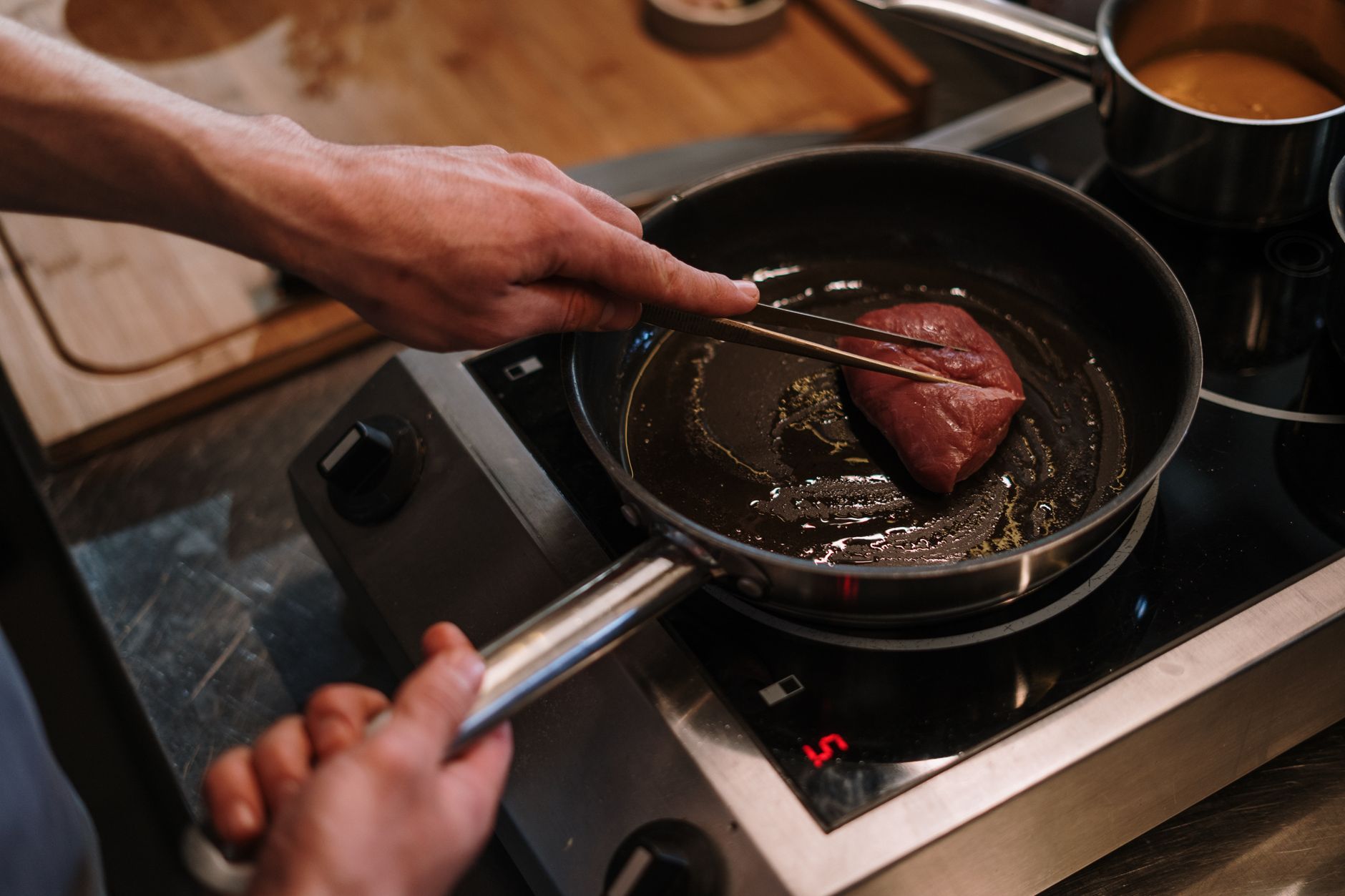
Deer meat, commonly known as venison, is a lean source of protein that has gained popularity for its flavor and health benefits. As more people seek alternative meats to traditional red meats, understanding its nutritional profile and how it fits into a healthy diet is crucial.
This article explores the health aspects of deer meat, serving sizes, considerations when consuming it, and how to incorporate it into your meals.
Is Deer Meat Healthy?
Yes, deer meat is generally considered healthy. It is low in fat and high in protein compared to more commonly consumed meats like beef and pork. However, its health benefits can vary based on preparation and sourcing methods.
Nutritional Profile of Deer Meat
The nutritional content of deer meat can vary by the age and diet of the deer, but on average, it boasts some noteworthy stats:
- Calories: Approximately 158 calories per 3.5 ounces (100 grams).
- Protein: Contains about 30 grams of protein, making it an excellent protein source.
- Fat: Typically contains around 3.5 grams of fat, making it much leaner than beef.
- Iron: A rich source of iron, providing around 3.8 mg, which is vital for oxygen transport in the body.
- Vitamin B: Good source of B vitamins, including B6 and B12, which are essential for energy metabolism.
This nutritional profile makes venison a compelling choice for those looking to maintain a healthy diet while still enjoying red meat.
Health Benefits of Venison
Incorporating deer meat into your diet can offer several health advantages. Here are some of them:
1. Low in Fat
Venison is exceptionally low in fat, particularly saturated fat, compared to conventional beef. This makes it a suitable option for those looking to reduce their fat intake
2. High-Quality Protein
The high protein content aids muscle building and repair, making it favored among athletes and fitness enthusiasts.
3. Rich in Nutrients
Besides its high protein levels, venison contains essential vitamins and minerals that promote good health. Iron and zinc, for instance, play a vital role in immune function and overall well-being.
4. Leaner Alternatives
For those who are conscious of their calorie intake, venison can be a healthier alternative to other red meats, providing a robust flavor without excessive calories.
Portion Sizes and Serving Suggestions
When enjoying deer meat, portion control is important. A standard serving size is typically about 3.5 ounces (100 grams), which can vary depending on the dish being prepared.
Here are some serving suggestions for venison:
- Ground Venison: Great for burgers or meatballs; a 4-ounce serving can be filling when paired with whole grains and vegetables.
- Steaks: A 6-ounce steak can be served with sides like roasted vegetables or a fresh salad for a balanced meal.
- Venison Stews: When included in soups or stews, consider mixing with a variety of vegetables and legumes to enhance both nutrition and flavor.
Cooking Techniques for Deer Meat
Venison can be prepared using various cooking methods. Each technique can yield unique flavors and textures:
1. Grilling
Grilling is a popular method, especially during warmer months. The high heat caramelizes the exterior while keeping the interior tender.
2. Roasting
Roasting whole cuts of venison can enhance its natural flavors. Use a meat thermometer to ensure it reaches an internal temperature of 130-135°F for a medium-rare finish.
3. Braising
Slow cooking or braising can make tougher cuts tender. The longer cooking time allows flavors to meld while breaking down fibers in the meat.
Flavors and Pairings
Venison has a rich, slightly gamey flavor that pairs well with various seasonings and side dishes:
- Herbs: Rosemary, thyme, and juniper berries complement the meat’s flavor profile.
- Fruits: Berries, apples, and figs can add a touch of sweetness that balances the gamey notes.
- Spices: Consider using garlic, black pepper, and paprika for seasoning venison dishes.
Considerations When Eating Deer Meat
While deer meat has many benefits, there are also considerations to keep in mind:
1. Source and Quality
Make sure to source venison from reputable suppliers or hunters who follow safe and ethical practices. Wild deer can carry diseases, so it is crucial to know the meat’s origin.
2. Cooking Temperatures
Use a meat thermometer to ensure venison is cooked safely. For ground venison, the USDA recommends an internal temperature of 160°F, while whole cuts can be cooked to 130-135°F for medium-rare.
3. Gamey Taste
Some may find venison’s flavor gamey compared to other meats. To mitigate this, marinate the meat or use stronger flavoring agents during preparation.
Substitutions for Venison
If you cannot find deer meat, there are some alternatives that you might consider:
- Beef: Good for similar recipes but has a higher fat content.
- Lamb: Has a richer flavor that may work in stews and roasts.
- Turkey: For ground applications, such as burgers or meatballs, turkey can be a lean substitute.
Common Mistakes When Cooking Venison
Here are some typical pitfalls to avoid while cooking deer meat:
1. Overcooking
Venison, being lean, can dry out quickly if overcooked. Monitor cooking times and use a meat thermometer for best results.
2. Skipping Marinades
Just like beef, marinating venison helps to tenderize the meat and infuse it with flavors. Neglecting this can lead to a less enjoyable dish.
3. Not Letting It Rest
Letting cooked venison rest for a few minutes before serving allows the juices to redistribute, improving flavor and juiciness.
Storage Tips for Deer Meat
Proper storage is key to maintaining the quality and safety of deer meat:
- Refrigeration: Fresh venison should be consumed within 3-5 days when properly stored in the refrigerator.
- Freezing: For longer storage, venison can be frozen for up to 12 months in airtight packaging.
- Thawing: Always thaw venison in the refrigerator or cold water to maintain safety.
Conclusion
Deer meat is a healthy alternative to many traditional types of meat, packed with protein, low in fat, and rich in essential nutrients. With proper sourcing, cooking, and storage practices, you can enjoy the diverse flavors and benefits that venison brings to the table.
For more delicious ways to enjoy deer meat, check out our venison jerky recipe and explore insights on red meat and health. You’ll find that even within the realm of healthier meat options, there are plenty of exciting avenues to explore!