
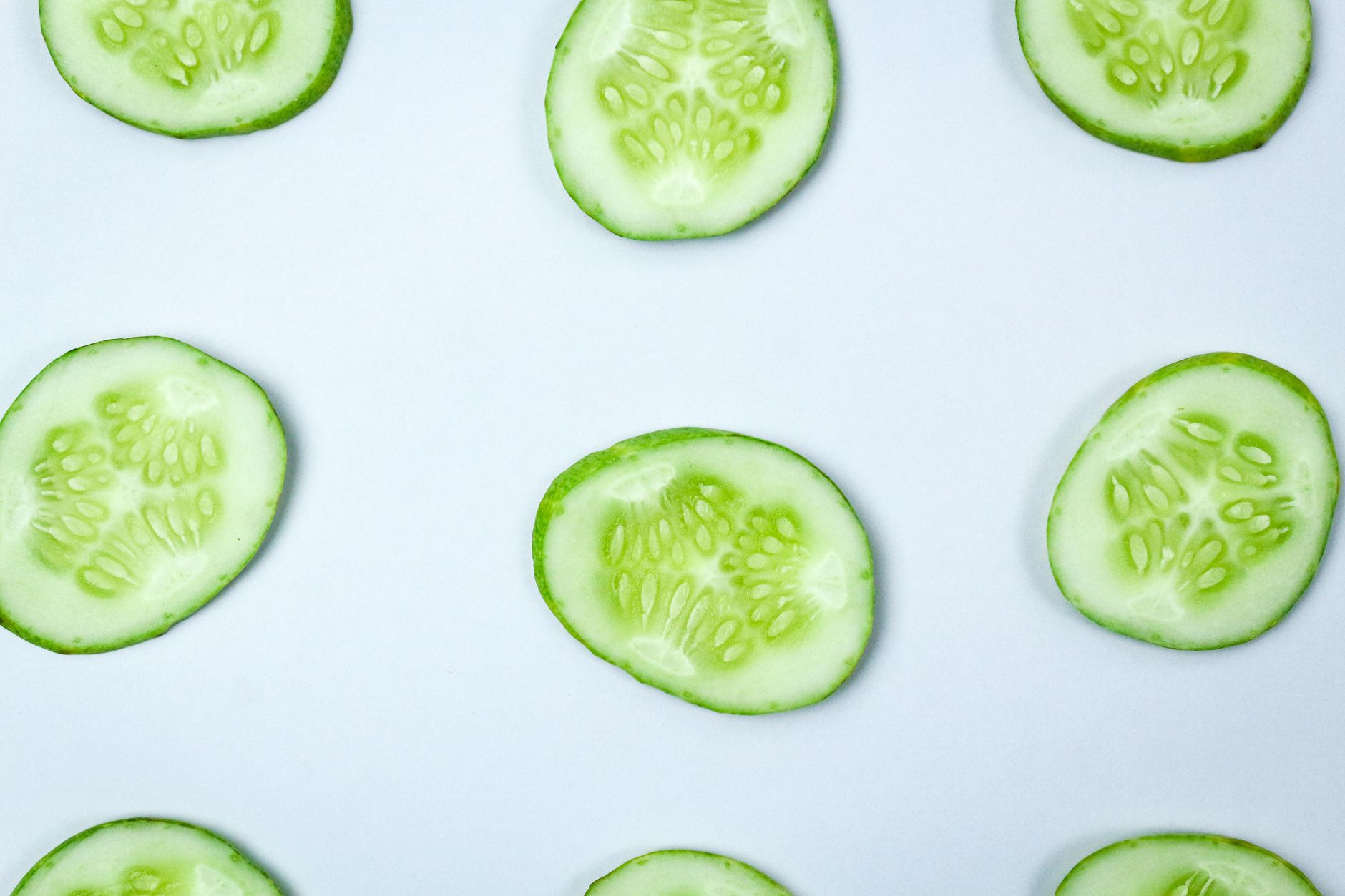
Cucumbers are a refreshing and versatile vegetable, popularly used in salads, sandwiches, and even as snacks. Their crisp texture and hydrating properties make them a favorite during the warmer months. But the question remains, is cucumber healthy? This article will explore the nutrition profile of cucumbers, recommended portions, potential health benefits, considerations, and how to incorporate them into your diet.
As a member of the gourd family, cucumbers are mostly composed of water, which helps keep you hydrated. They are low in calories but high in vitamins and minerals, making them an excellent addition to any balanced diet. Let’s delve deeper into the nutritional content, serving suggestions, and other important aspects of this crunchy vegetable.
Is Cucumber Healthy?
Yes, cucumbers are healthy due to their low calorie count, high water content, and beneficial nutrients. They can aid in hydration, support digestive health, and provide essential vitamins and minerals. However, it’s essential to consume them as part of a well-rounded diet for maximum benefits.
Nutritional Breakdown of Cucumbers
To understand why cucumbers are deemed healthy, let’s take a look at their nutritional profile. A typical serving size of cucumber is about one cup (approximately 104 grams) of sliced cucumber with the peel. Here’s what you can expect:
- Calories: 16
- Water: 95%
- Protein: 0.7 grams
- Fat: 0.2 grams
- Carbohydrates: 3.8 grams
- Fiber: 0.5 grams
- Vitamin K: 19% of the Daily Value (DV)
- Vitamin C: 14% of the DV
- Potassium: 8% of the DV
- Magnesium: 4% of the DV
These numbers indicate that cucumbers are incredibly low in calories, making them a great option for those looking to maintain or lose weight. Furthermore, the high water content in cucumbers contributes to hydration, especially during hot weather or after exercise. Nutrients like vitamin K and vitamin C play essential roles in bone health and immune support, respectively.
Health Benefits of Cucumbers
Cucumbers offer several health benefits, making them a valuable addition to your diet. Here are just a few advantages:
1. Hydration
Given that cucumbers are about 95% water, they can play a significant role in keeping you hydrated. Staying hydrated is vital for overall health and can help improve physical performance, cognitive function, and bone health.
2. Low in Calories
For individuals looking to manage their weight, cucumbers can be an ideal snack. Their low calorie count allows for generous portions, which can be satisfying while still contributing to weight loss goals.
3. Antioxidant Properties
Cucumbers contain several antioxidants, including flavonoids and tannins. These compounds help combat oxidative stress in the body and may reduce the risk of chronic diseases.
4. Digestive Health
The fiber content in cucumbers, while low, can still promote digestive health. Consuming cucumbers can help support bowel regularity and may assist with hydration of the digestive tract.
5. Skin Health
The water and nutrients in cucumbers contribute to healthy skin. Topical application of cucumber can soothe the skin, reduce swelling, and deliver hydration, making it a common ingredient in skincare products.
Recommended Portions of Cucumbers
When it comes to enjoying cucumbers, moderation is key. While healthy, it’s important to incorporate them into a balanced diet. A standard serving size is one cup of sliced cucumber, which provides a good balance of hydration and nutrients without excessive calorie intake.
Inclusion of cucumbers can vary based on your dietary needs, but it’s reasonable to enjoy a serving or two daily—whether by adding them to salads, enjoying them with dip, or blending them into smoothies.
Considerations When Consuming Cucumbers
While cucumbers are healthy for most people, there are a few considerations to keep in mind:
1. Pesticide Residues
Cucumbers often rank high on lists concerning pesticide residues. To minimize exposure, consider washing cucumbers thoroughly or purchasing organic varieties.
2. Digestive Concerns
Some individuals may experience bloating or digestive issues when consuming cucumbers, particularly if eaten in large quantities. If you have sensitivities, monitor your intake and adjust accordingly.
3. Nutritional Limitations
While cucumbers are hydrating and nutritious, they should not replace more nutrient-dense foods in your diet. They are low in calories and calories and do not provide significant amounts of protein or healthy fats.
Ways to Incorporate Cucumbers into Your Diet
Adding cucumbers to your meals can be simple and enjoyable. Here are various ways to incorporate them into your diet:
1. Salads
Cucumbers can enhance salads, adding a refreshing crunch. Use them in traditional green salads, or try unique variations like cucumber, tomato, and feta salad.
2. Snacks
Enjoy cucumber slices with dip, such as hummus, tzatziki, or guacamole. This makes for a nutritious snack that satisfies cravings without adding excessive calories.
3. Smoothies
Add cucumbers to smoothies for a hydrating component. Pair them with fruits like pineapple or apple for a refreshing drink.
4. Pickles
Homemade pickled cucumbers can be a fun and flavorful addition to sandwiches, burgers, or charcuterie boards. The pickling process preserves the vegetable while adding unique flavors.
5. Garnishes
Use slices of cucumber as garnishes for drinks or dishes. They can elevate the visual appeal of cocktails or fresh summer dishes.
Cucumber Recipes to Try
Here are some engaging recipes that prominently feature cucumbers:
1. Viral Cucumber Salad
This simple yet flavorful salad is a crowd-pleaser.
For the full recipe, including ingredients and preparation details, visit Viral Cucumber Salad Recipe.
2. Thai Cucumber Salad
Add a twist to your meals with this spicy and tangy dish that combines flavors from traditional Thai cuisine.
For the full details, check out the Thai Cucumber Salad Recipe.
Tips for Selecting, Storing, and Preparing Cucumbers
Here’s how to choose, store, and prepare cucumbers to maintain their freshness and enjoy their benefits:
Selecting Cucumbers
- Look for cucumbers that are firm and smooth, with vibrant green skin.
- Avoid cucumbers with dark spots, wrinkles, or soft areas, as these indicate ripeness or spoilage.
- Choose organic cucumbers when possible, to minimize pesticide exposure.
Storing Cucumbers
To keep cucumbers fresh for longer:
- Wrap them in a paper towel to absorb excess moisture and place them in a plastic bag in the refrigerator.
- Use them within one week for the best flavor and texture.
- Avoid storing cut cucumbers uncovered in the refrigerator, as they can dry out.
Preparing Cucumbers
Before eating, wash cucumbers thoroughly to remove any pesticides and contaminants. Here are some preparation ideas:
- Leave the peel on for maximum fiber and nutrients, or peel it according to preference.
- Cut into sticks, rounds, or even spiralize them for salads and snacks.
- Consider soaking cut cucumbers in salt water for an hour to enhance their crispness before serving.
Conclusion
Cucumbers are undoubtedly a healthy addition to most diets, providing hydration, essential nutrients, and versatile culinary uses. By including them in your meals, you can enjoy their refreshing taste and contribute to your overall health. Just remember to choose quality cucumbers, store them properly, and enjoy them as part of a balanced diet.
Explore related recipes, cooking tips, and food guides to further enhance your culinary knowledge. Consider checking out our Viral Cucumber Salad or Thai Cucumber Salad for fresh and delicious ways to incorporate cucumbers into your diet!