
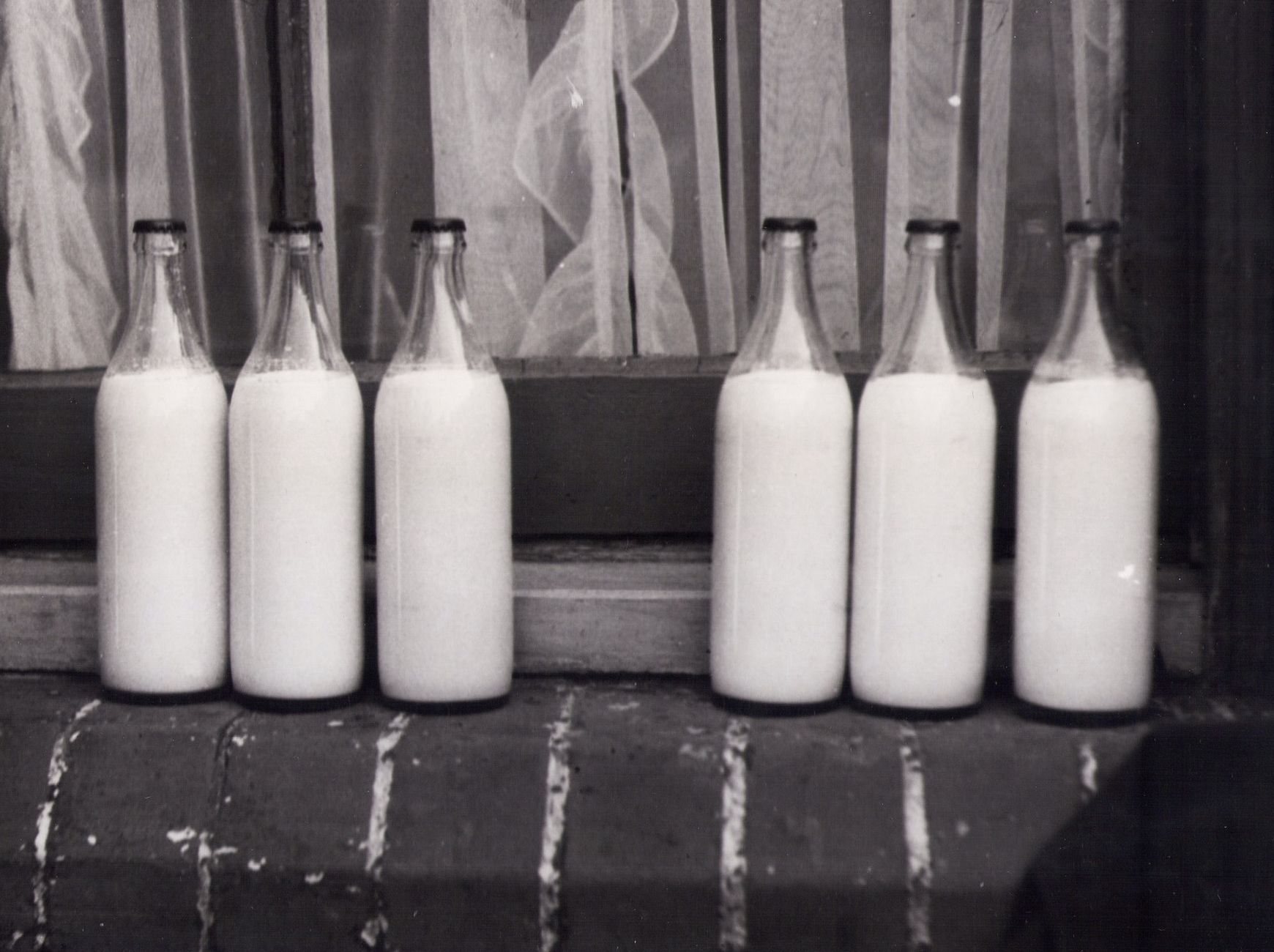
Understanding how long buttermilk lasts in the fridge is essential for anyone who enjoys baking or cooking. Its unique tangy flavor adds richness and moisture to dishes, making it a versatile ingredient in many recipes.
In this guide, we will explore the shelf life of buttermilk, proper storage techniques, signs of spoilage, and tips on using it effectively in your cooking and baking endeavors.
How Long Does Buttermilk Last in the Fridge?
Buttermilk typically lasts about two weeks in the fridge after you open it. If the carton is unopened, it can last up to three weeks, or even longer if you check the expiration date. Proper storage is crucial to maintaining its freshness and flavor.
Understanding Buttermilk
Buttermilk is a fermented dairy product that is often used in baking and cooking. Its slightly sour flavor comes from the lactic acid produced during fermentation, which occurs when bacteria are added to cow’s milk.
There are two main types of buttermilk:
- Traditional buttermilk: This is the liquid that remains after churning cream into butter. It’s thicker and has a richer taste.
- Cultured buttermilk: This is the most common type found in grocery stores, made by adding specific bacteria to low-fat or non-fat milk. It has a tangy flavor and is usually thinner than traditional buttermilk.
Storing Buttermilk for Longevity
The way you store buttermilk can significantly affect its shelf life. Here are some storage tips:
- Keep it cold: Always store buttermilk in the refrigerator at a temperature below 40°F (4°C).
- Use airtight containers: If you transfer buttermilk to another container, make sure it is airtight to prevent it from absorbing smells from other foods.
- Avoid contamination: Always use a clean measuring cup or spoon when taking buttermilk out of its container to avoid introducing bacteria.
Signs of Spoilage
Knowing how to identify spoiled buttermilk is crucial for food safety. Here are key indicators:
- Smell: Fresh buttermilk has a mild, tangy scent. If it emits a strong, off-putting odor, it may be spoiled.
- Texture: If you notice any lumps, clumps, or significant thickness beyond its natural viscous state, it’s best to discard it.
- Color: While buttermilk is usually white or off-white, any yellowing or discoloration is a sign that it’s time to throw it away.
Using Leftover Buttermilk
If you find yourself with leftover buttermilk, there are plenty of ways to use it up before it spoils:
- In Baking: Buttermilk is often used in recipes for pancakes, cakes, muffins, and biscuits. Its acidity helps activate baking soda, leading to fluffy results.
- In Dressings: Use buttermilk as a base for salad dressings or dips. It adds a creamy texture and tangy flavor.
- For Marinating: Its acidity makes buttermilk an excellent marinade for chicken and other meats, tenderizing the protein and imparting flavor.
- In Smoothies: Buttermilk can be blended with fruits and other ingredients to create a nutritious smoothie.
Buttermilk Substitute Options
If you find yourself out of buttermilk, here are some reliable substitutes:
- Milk and Vinegar or Lemon Juice: Add 1 tablespoon of lemon juice or white vinegar to 1 cup of milk and let it sit for five to ten minutes. This creates an acidified milk similar to buttermilk.
- Yogurt or Sour Cream: You can use plain yogurt or sour cream mixed with a little water to achieve a similar consistency and tangy flavor.
- Milk and Cream of Tartar: Mix 1 cup of milk with 1.5 teaspoons of cream of tartar. Stir until combined.
Baking with Buttermilk
When it comes to baking, buttermilk can elevate your dishes, contributing to texture and flavor. Here’s why it works so well:
- Moisture: Buttermilk adds moisture to baked goods, preventing dryness.
- Flavor: The tanginess of buttermilk enhances the overall flavor profile of baked items.
- Leavening: Its acidity activates baking soda, helping baked goods rise and become fluffy.
Common Recipes Using Buttermilk
Here are several classic recipes where buttermilk plays an essential role:
Pancakes
Buttermilk pancakes are light and fluffy, perfect for breakfast. The tangy flavor complements the sweetness of syrup beautifully.
Buttermilk Biscuits
These biscuits are flaky and buttery, making them a perfect side for dinner or breakfast. Buttermilk adds a subtle taste that sets them apart.
Buttermilk Fried Chicken
This recipe benefits from marinating chicken in buttermilk, which tenderizes the meat and adds flavor before frying.
Buttermilk Cake
Moist and rich, buttermilk cake is a wonderful dessert that showcases the ingredient’s unique qualities.
Extending the Shelf Life of Buttermilk
If you want to extend the shelf life of your buttermilk, consider these methods:
- Freezing: Buttermilk can be frozen for up to three months. Pour it into an ice cube tray, freeze, and then transfer the solid cubes into a resealable bag. Thaw as needed for cooking or baking.
- Using Up Before Expiration: Plan meals that incorporate buttermilk in the week before it expires to minimize waste.
Frequently Asked Questions
Can you use expired buttermilk?
It is not recommended to use expired buttermilk. While it may still be good a few days after the expiration date, always perform a smell and texture check before using it.
What is the best way to tell if buttermilk is bad?
The best way to tell if buttermilk has gone bad is through smell and visual inspection. If it has an off or sour smell, or if there are lumps present, it’s best to discard it.
Can I use buttermilk after the sell-by date?
Often, buttermilk can still be used a week or two after the sell-by date if it has been stored correctly. As always, check for signs of spoilage.
Conclusion
Understanding how long buttermilk lasts in the fridge, along with proper storage practices, can enhance your cooking and baking experiences. Use the guidelines provided to keep your buttermilk fresh longer and to create delightful dishes. Whether you’re making pancakes, biscuits, or marinating meats, buttermilk is an ingredient that can elevate your culinary creations.
Explore additional recipes and tips to keep your kitchen thriving, such as our buttermilk pound cake recipe or learn about how long cottage cheese lasts after opening.