
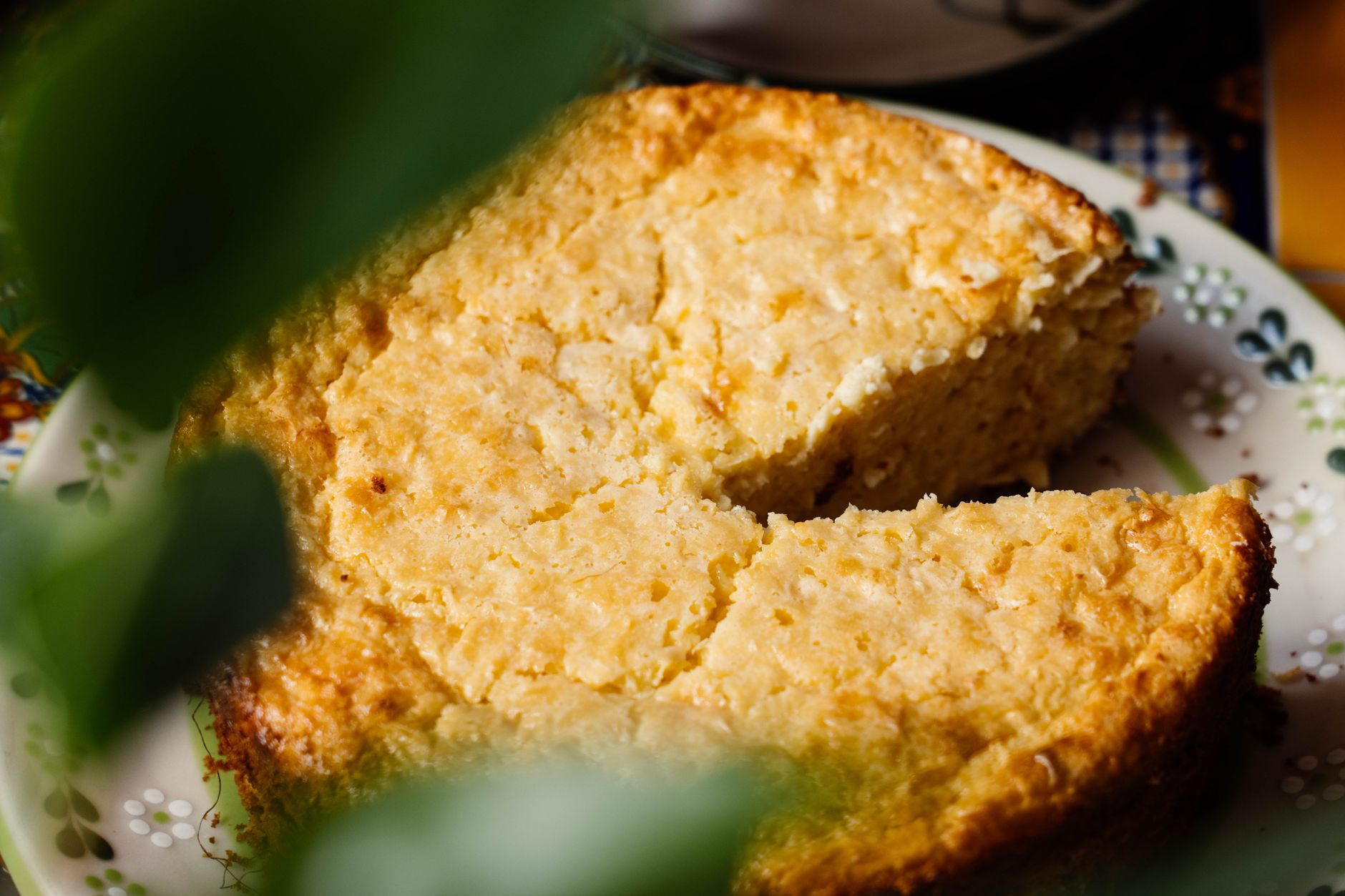
Cornbread is a beloved staple in many regional cuisines, particularly in the Southern United States. Its sweet, hearty flavor and distinct crumbly texture make it a versatile dish that pairs well with a variety of meals. Many people wonder, “Is cornbread healthy?” This article will delve into its nutritional aspects, ingredient considerations, and health implications while providing practical insights for integrating cornbread into a balanced diet.
In exploring whether cornbread is a healthy option, we’ll look at various nutritional components, potential health benefits, and drawbacks. Additionally, we’ll provide ideas for enhancing its healthfulness, substitutions for common allergens or dietary preferences, and tips on incorporating cornbread into meal planning.
Is Cornbread Healthy?
Cornbread can be both a healthy addition to your diet and a more indulgent treat, depending on the ingredients and preparation methods used. Traditional cornbread is made primarily from cornmeal, which is naturally gluten-free, and can be a good source of carbohydrates, fiber, and essential nutrients.
However, cornbread’s healthiness is largely influenced by factors such as added sugars, fats, and serving sizes. When made with whole grain cornmeal and reduces added sugars and fats, cornbread can offer a healthier profile. Understanding its specific components will help you make informed dietary choices.
Understanding Cornbread Ingredients
The ingredients used in cornbread significantly impact its nutritional profile. Here’s a breakdown of the typical ingredients used in traditional cornbread and their benefits:
- Cornmeal: This is the primary ingredient, providing carbohydrates and fiber. Whole grain cornmeal retains more nutrients compared to refined varieties.
- Flour: Often used alongside cornmeal, all-purpose flour or whole wheat flour can add structure. Whole grain flour contributes additional fiber and nutrients.
- Baking powder: A leavening agent that helps cornbread rise, it does not add significant nutritional value but is essential for texture.
- Milk or buttermilk: These ingredients add moisture and flavor. Low-fat or plant-based milks can be used to reduce calories and add different nutrient profiles.
- Eggs: Eggs contribute protein, fats, and moisture, enhancing the texture. They can be replaced by flaxseed or applesauce for plant-based or lower-cholesterol options.
- Sugar: Commonly added for sweetness, the amount can vary widely. Reducing the sugar content or using natural sweeteners can improve the health profile.
- Butter or oil: Fats contribute flavor and tenderness, but using healthier fats like olive oil or avocado oil can make recipes more nutritious.
Nutritional Profile of Cornbread
While the exact nutritional content can vary based on the recipe and ingredients, a typical serving of homemade cornbread (1 piece or approximately 60 grams) made with whole grain cornmeal and minimal added sugar or fat may include:
- Calories: Approximately 180-200
- Protein: 3-5 grams
- Carbohydrates: 30-35 grams
- Fiber: 2-3 grams
- Fats: 5-7 grams
This profile shows that cornbread can provide a decent source of energy, but it is crucial to monitor portion sizes and the specific ingredients used for a healthier outcome.
Potential Health Benefits of Cornbread
When consumed in moderation and prepared thoughtfully, cornbread can offer several health benefits:
- Rich in Fiber: Whole grain cornmeal is a source of dietary fiber, which can aid digestion, help regulate blood sugar levels, and contribute to feelings of fullness.
- Gluten-Free Option: Since cornmeal is naturally gluten-free, cornbread can be a suitable choice for individuals with gluten sensitivities or celiac disease, especially when made without any gluten-containing flours.
- Nutrient Density: Cornmeal contains several essential nutrients, including magnesium, phosphorus, and B vitamins, which are important for energy metabolism and bone health.
Drawbacks of Cornbread
On the flip side, there are some considerations to keep in mind regarding cornbread:
- High in Carbohydrates: Cornbread is primarily made from cornmeal, making it a carb-heavy food. This can be a concern for those following low-carb diets.
- Added Sugars and Fats: Many recipes include considerable amounts of sugar and butter, which can increase calorie content and decrease overall healthfulness.
- Limited Protein: Cornbread is low in protein compared to other grains, which might warrant pairing it with protein-rich foods for a well-rounded meal.
Making Healthier Cornbread
If you enjoy cornbread but want to make it healthier, consider these tips and substitutions:
- Use Whole Grain Cornmeal: This enriches the fiber content and provides more nutrients.
- Reduce Sugar: Consider cutting the sugar by half or using natural sweeteners like honey or maple syrup, which might also offer additional flavor.
- Opt for Healthy Fats: Swap out butter for healthier oils like olive or coconut oil to improve heart health benefits.
- Incorporate Other Ingredients: Adding in vegetables (like grated zucchini) or seeds (like flax or chia) can enhance nutritional value without compromising texture.
- Use Low-Fat Dairy or Alternatives: As mentioned, opting for low-fat milk or a plant-based alternative can lower the overall fat and calorie content.
Common Cornbread Variations
Cornbread comes in various regional styles, each providing a unique twist on the traditional recipe. Here are a few popular variations to explore:
- Sweet Cornbread: Common in the South, this version is often sweeter, using more sugar and sometimes adding fruits or flavorings like vanilla or cinnamon.
- Savory Cornbread: Includes ingredients such as cheese, jalapeños, or herbs to create a flavorful side dish suited for chili or stews.
- Vegetarian or Vegan Cornbread: By substituting eggs with flaxseed meal or applesauce and using plant-based milk, you can create a vegan-friendly option.
- Gluten-Free Cornbread: Made entirely with cornmeal or a gluten-free flour blend, this variation is suitable for those avoiding gluten.
Incorporating Cornbread into Your Meal Plan
Cornbread can be a delightful addition to many meals. Here are some practical ways to integrate it into your meal planning:
- Breakfast: Serve cornbread with breakfast dishes such as scrambled eggs, or top it with a light smear of butter or natural nut butter for a filling start to your day.
- Lunch: Pair a slice with soups, stews, or salads as an alternative to bread or crackers for a heartier meal.
- Dinner: Serve cornbread alongside main dishes like chili, barbecue, or roasted meats to add flavor and texture to the meal.
- Snacks: Enjoy cornbread as a quick snack with toppings like avocado or salsa, or simply with your favorite spread.
Common Mistakes to Avoid When Making Cornbread
For those new to making cornbread, here are some common pitfalls to watch for:
- Overmixing: Mixing the batter too much can lead to dense cornbread. Mix until just combined for a lighter texture.
- Incorrect Oven Temperature: Ensure your oven is preheated appropriately as cornbread benefits from a hot oven for a good rise.
- Using Old Ingredients: Make sure your baking powder is fresh for the best rise. Old ingredients can spoil the texture.
- Not Monitoring Bake Time: Cornbread can go from perfectly baked to overdone quickly. Keep an eye on it and check for doneness using a toothpick.
Storage and Reheating Cornbread
To best maintain the quality of cornbread after making it, proper storage is vital:
- Room Temperature: Store cooled cornbread in an airtight container at room temperature for up to 2 days.
- Refrigerator: If you need to keep cornbread for longer, refrigerate it for up to a week, wrapped tightly to prevent drying out.
- Freezing: Cornbread can be frozen in slices for up to three months. Wrap each piece in plastic wrap and place them in an airtight container or freezer bag.
- Reheating: To return cornbread to its original texture, reheat in the oven covered with foil to prevent drying out or microwave for a short time.
Conclusion
Cornbread can be a healthy addition to your diet when prepared thoughtfully, focusing on whole ingredients and portion control. It offers versatility and can fit into various meals throughout the day, providing comfort and enjoyment. When considering your individual dietary needs, cornbread can serve as a nutritious base or side to many dishes.
For further culinary inspiration, you might find interest in our recipes for cornbread pudding or fried cornbread, enhancing the delightful ways to enjoy cornbread.