
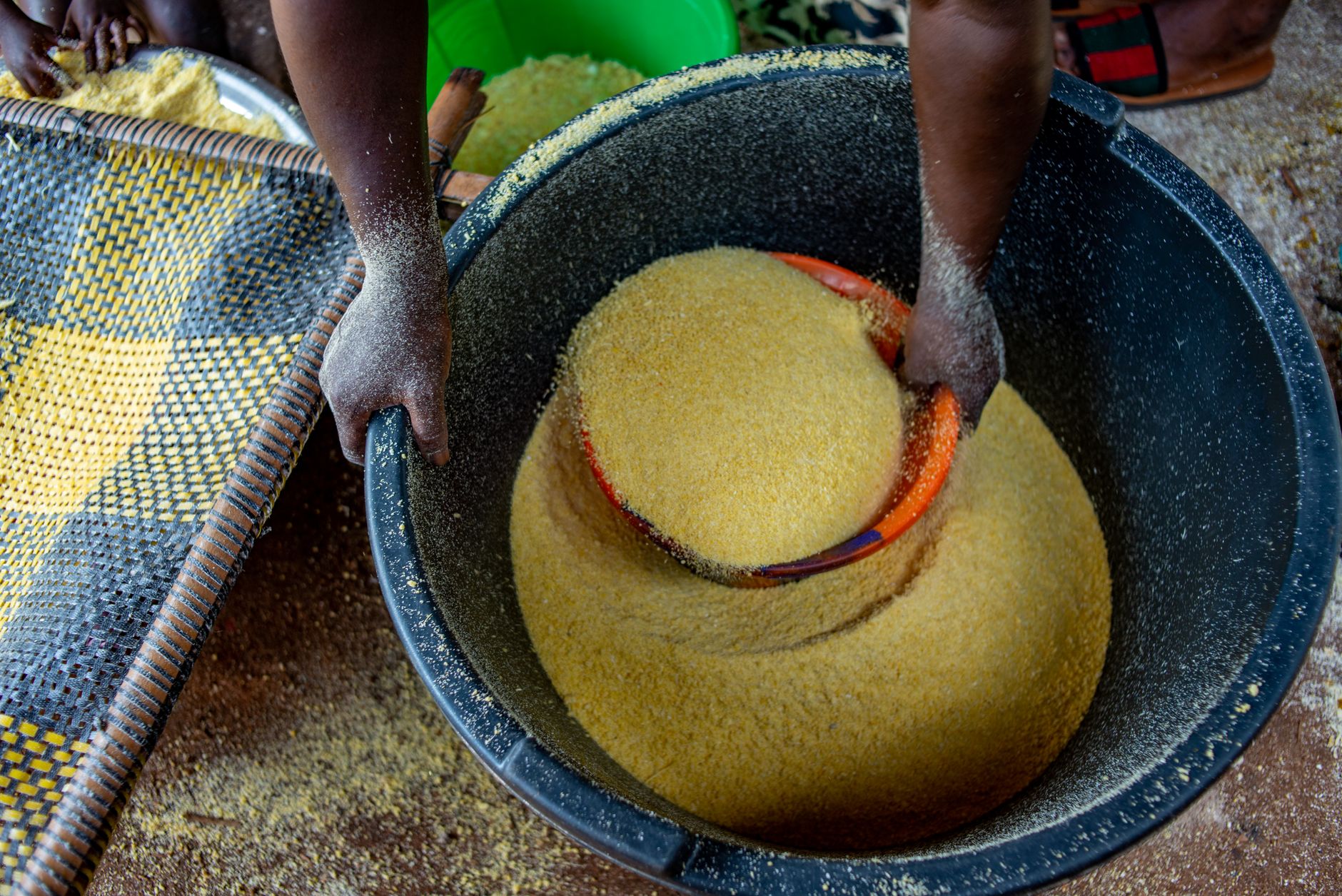
When looking for substitutes in cooking or baking, it’s common to encounter various ingredients with similar names but very different properties. Two such ingredients are cornmeal and cornstarch. Understanding whether cornmeal is the same as cornstarch is essential for achieving the desired texture and flavor in your dishes.
This article breaks down the differences between cornmeal and cornstarch, including their usage, texture, flavor, and best applications in the kitchen.
Is Corn Meal the Same as Cornstarch?
No, cornmeal and cornstarch are not the same. Although they both derive from corn, their processing, texture, flavor, and culinary applications vary significantly. Cornmeal is a coarser grind of whole corn kernels, while cornstarch is a fine powder made from the starchy part of the corn kernel.
The differences in composition lead to distinct uses in recipes. Ensuring you use the correct ingredient will enhance the quality of your dishes.
Understanding Cornmeal
Cornmeal is made by grinding whole corn kernels into a coarse or fine powder. There are different types of cornmeal, including:
- Yellow Cornmeal: Made from yellow corn, it has a mildly sweet flavor and a golden color.
- White Cornmeal: Made from white corn, it has a slightly more delicate flavor than yellow cornmeal.
- Blue Cornmeal: Made from blue corn, it has a nuttier flavor and adds visual interest to dishes.
Cornmeal is an excellent source of carbohydrates, fiber, and vitamins such as B1 (thiamine) and B3 (niacin).
Texture and Flavor
The texture of cornmeal can range from fine to coarse. Coarse cornmeal lends a crunchy texture to dishes like polenta or cornbread, while fine cornmeal is often used in baked goods for a smoother consistency. Its flavor profile is subtle and slightly sweet, contributing to various dishes without overpowering them.
Culinary Uses
Cornmeal is versatile and used in a variety of recipes, including:
- Corbread: A beloved staple in Southern cuisine.
- Polenta: Cooked cornmeal that can be served creamy or allowed to set and be sliced.
- Cornmeal Pancakes or Waffles: Providing a hearty breakfast option.
- Fried Foods: Used as a coating for frying to achieve a crispy texture.
Because cornmeal can absorb liquid, it’s ideal for binding and thickening in certain dishes.
Understanding Cornstarch
Cornstarch, also derived from corn, is made by processing the endosperm of corn kernels. This fine, white powder is essential for various culinary techniques.
Texture and Flavor
Cornstarch has a very fine and silky texture. Unlike cornmeal, it has little to no flavor, making it an effective thickening agent without altering the taste of the dish.
Culinary Uses
Cornstarch is predominantly used for:
- Thickening: Ideal for sauces, gravies, puddings, and soups.
- Coating: Often used for coating proteins before frying to achieve a crispy exterior.
- Baking: Works well in conjunction with flour to create tender baked goods.
Cornstarch’s ability to absorb water and create a gel-like consistency enhances the mouthfeel of sauces and soups.
Key Differences Between Cornmeal and Cornstarch
Here’s a deeper look at how cornmeal and cornstarch differ from one another:
1. Processing
Cornmeal consists of whole corn kernels ground into various textures, while cornstarch is processed to extract just the starchy part of the corn kernel.
2. Nutritional Profile
Cornmeal retains more nutrients than cornstarch, which primarily provides carbohydrates. Cornmeal offers fiber, protein, and a small amount of healthy fats, whereas cornstarch is mostly pure starch.
3. Appearance
Cornmeal has a yellow, white, or blue hue depending on the type of corn used. Cornstarch, on the other hand, is a white powder.
4. Cooking Applications
While both ingredients can be used for thickening, cornmeal is more commonly found in baked goods and served as a side dish. Cornstarch is best suited for sauces, puddings, and soups meant to be thickened without added flavor.
5. Flour vs. Starch
Cornmeal can often be used as a substitute for flour in recipes that require additional texture and flavor (such as cornbread), while cornstarch is often used to enhance the texture and stability of a dish without contributing its own flavor.
Substitutions: When to Use What
Understanding when to substitute cornmeal for cornstarch and vice versa can open up a range of new culinary possibilities.
When to Use Cornmeal
- When you need a crunchy texture, such as in cornbread or polenta.
- If the recipe calls for a hearty ingredient, cornmeal can provide that substance.
- As a dredging flour for frying to add flavor and texture.
When to Use Cornstarch
- When thickening liquids like sauces and soups, cornstarch provides a glossy finish.
- If a recipe specifies a need for lightness in a baked good, cornstarch can help achieve that.
- In recipes where you want to prevent gluten formation (such as in certain desserts), cornstarch is ideal.
Common Mistakes When Using Cornmeal and Cornstarch
While both ingredients are valuable in cooking, there are some common pitfalls to avoid:
Cornmeal Mistakes
- Overmixing: Overmixing cornbread batter can lead to a dense final product. Mix just until combined.
- Liquid Ratios: Cornmeal absorbs a lot of liquid. Be sure to adjust your recipes accordingly.
- Using Coarse Cornmeal in Fine Textured Dishes: If a recipe calls for fine cornmeal, using coarse can yield a gritty texture.
Cornstarch Mistakes
- Not Mixing with Cold Liquid: Always mix cornstarch with cold or room temperature liquid before adding it to hot mixtures to prevent clumping.
- Adding Too Early: Cornstarch should be added to sauces only after they have reached boiling to effectively thicken.
- Using in Excess: Using too much cornstarch can result in a gluey texture. Stick to the recommended amounts.
Practical Cooking Tips
When using cornmeal and cornstarch in your kitchen, consider these helpful tips:
For Cornmeal
- Toast cornmeal in a dry skillet to enhance its nutty flavor before use.
- Experiment with different types of cornmeal to find favors or textures that work best for your dishes.
- Use cornmeal as a base for toppings or crusts, providing a unique flavor alternative to traditional flours.
For Cornstarch
- Keep cornstarch in a cool, dry place to maintain its quality.
- For a shiny finish, add cornstarch to sauces off the heat before serving.
- If using cornstarch as a gluten-free alternative, use it judiciously in combination with other gluten-free flours.
Storage and Shelf Life
Proper storage of cornmeal and cornstarch is crucial for maintaining their quality:
Cornmeal Storage
- Store in an airtight container in a cool, dark place; a pantry or cupboard is suitable.
- For longer shelf life, consider refrigerating or freezing the cornmeal.
- Cornmeal can last up to one year if stored correctly, but check for rancidity before use.
Cornstarch Storage
- Keep cornstarch in a sealed, dry environment to prevent clumping and moisture absorption.
- Cornstarch has a long shelf life and can last indefinitely if stored properly, though usability may decline over time.
Conclusion
Cornmeal and cornstarch serve unique purposes in the kitchen, making them essential pantry staples. Understanding their differences ensures you can select the right ingredient for your recipes. Whether you’re whipping up cornbread or thickening a sauce, knowing when to use cornmeal or cornstarch can significantly improve your cooking outcomes.
Explore more delicious recipes like cornbread pudding or corn souffle to put your newfound knowledge to the test.