
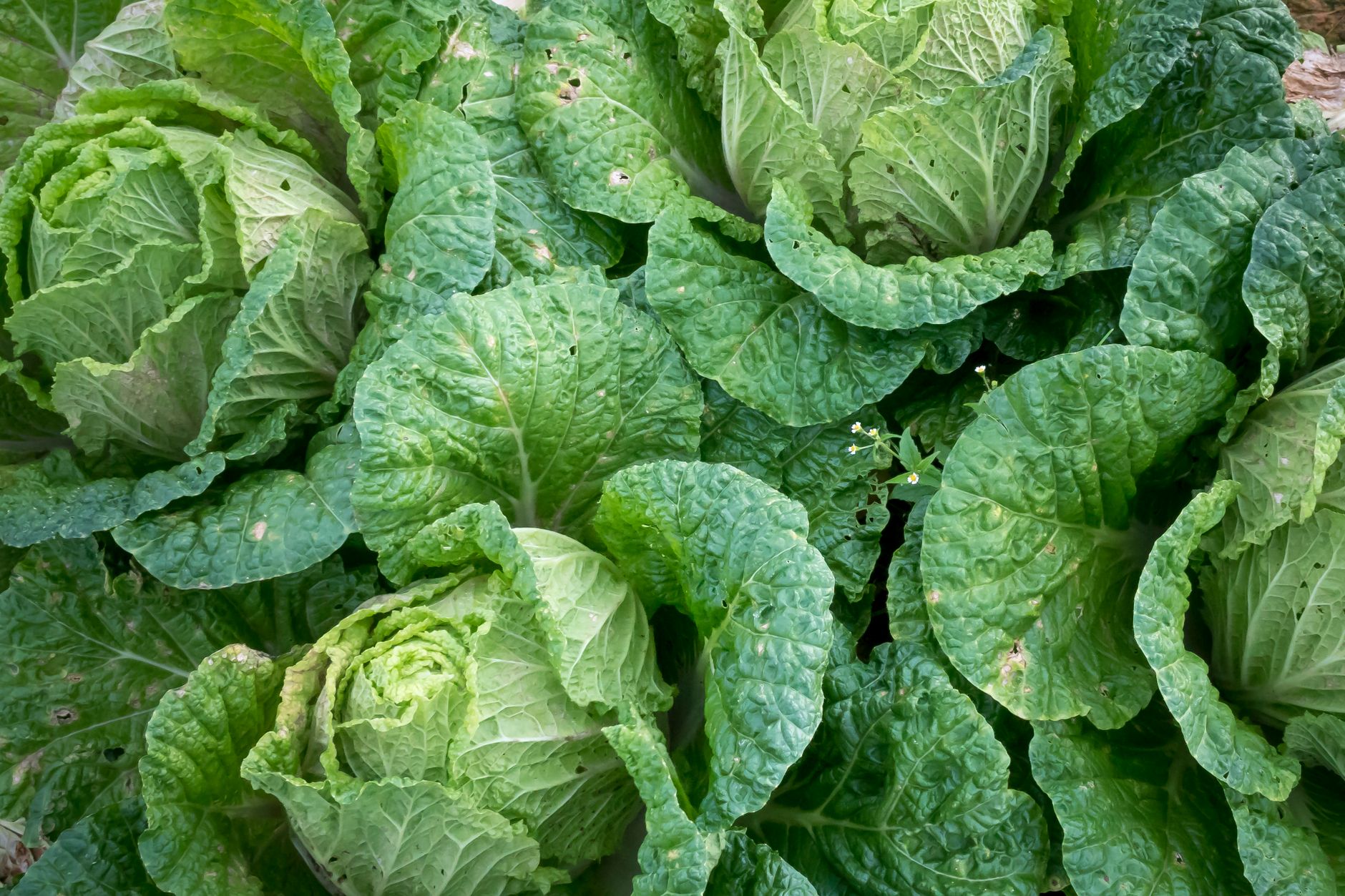
Cabbage is a versatile vegetable often featured in various cuisines worldwide. While it complements many dishes, some people wonder whether it may cause digestive issues, such as diarrhea. Understanding the relationship between cabbage and digestion can help you make informed choices about including this nutrient-rich vegetable in your meals.
This article will explore whether cabbage can cause diarrhea, the factors that contribute to digestive discomfort, and strategies for enjoying cabbage while minimizing potential side effects.
Does Cabbage Give You Diarrhea?
Cabbage can cause diarrhea in some individuals, particularly those with specific sensitivities or digestive issues. High-fiber content, sulfur compounds, and certain types of carbohydrates in cabbage can lead to discomfort for some people. However, enjoying it in moderation and preparing it correctly can mitigate these effects for most others.
Understanding Cabbage and Digestion
Cabbage belongs to the cruciferous family of vegetables, which includes broccoli, Brussels sprouts, and kale. Known for its high fiber content, cabbage aids in digestion but can also overwhelm some digestive systems when consumed in large quantities.
Let’s examine several factors that contribute to digestive discomfort when consuming cabbage.
High Fiber Content
Cabbage is a rich source of dietary fiber, which is essential for healthy digestion. However, for those who are not accustomed to a high-fiber diet, consuming too much cabbage at once can lead to gas, bloating, and, in some cases, diarrhea. It is crucial to gradually increase fiber intake to give your digestive system time to adjust.
FODMAPs and Intolerance
Cabbage contains certain carbohydrates known as FODMAPs (fermentable oligosaccharides, disaccharides, monosaccharides, and polyols), which can be difficult for some individuals to digest. For those with Irritable Bowel Syndrome (IBS) or other digestive disorders, foods high in FODMAPs can trigger symptoms, including diarrhea.
Preparation Methods
The way cabbage is prepared can impact its digestibility. Raw cabbage, which retains all its fiber and certain compounds, may be more likely to cause digestive distress than cooked cabbage, which can break down some of its tougher fibers and compounds.
Individual Sensitivities
Everyone’s digestive system is unique; some people may experience discomfort after consuming cabbage due to individual sensitivities or allergies. If you notice recurrent digestive issues after eating cabbage, it may be worth consulting with a healthcare professional.
Health Benefits of Cabbage
Despite potential digestive concerns, cabbage offers numerous health benefits. It’s low in calories and high in vitamins C and K, making it a great addition to a balanced diet. Cabbage also contains antioxidants and has anti-inflammatory properties.
Rich in Nutrients
- Vitamin C: Supports the immune system and promotes healthy skin.
- Vitamin K: Essential for bone health and aids in blood clotting.
- Antioxidants: Help protect your body from oxidative stress.
Weight Management
Cabbage is low in calories, making it an excellent choice for those looking to manage their weight. It provides bulk without contributing significant calories, allowing you to feel full while consuming fewer overall calories.
How to Enjoy Cabbage Without Diarrhea
To minimize the risk of digestive discomfort while enjoying cabbage, consider the following methods and tips:
Gradually Increase Intake
If you’re new to incorporating cabbage into your diet, start slowly. Introduce small amounts to your meals to help your digestive system adjust. You might begin with a few tablespoons of shredded cabbage in a salad or coleslaw and gradually increase as tolerated.
Cooking Cabbage
Cooking cabbage can significantly improve its digestibility. Steaming, sautéing, or boiling cabbage softens the fibers and reduces certain compounds, making it easier to digest.
Try Fermented Cabbage
Fermented cabbage, such as sauerkraut and kimchi, contains probiotics, beneficial bacteria that can support gut health. For many individuals, fermented foods are easier to digest than raw vegetables.
Pair with Digestive Aids
Certain foods can enhance digestion and help prevent discomfort when consuming cabbage. Combining cabbage with ginger, turmeric, or apple cider vinegar may support digestion and reduce the likelihood of gastrointestinal issues.
Avoid Overeating
Be mindful of portion sizes. Consuming large quantities of cabbage, especially raw, can overwhelm your digestive system. Balance cabbage with other fibrous foods and plenty of fluids to promote healthy digestion.
Common Cabbage Varieties and Their Digestibility
Cabbage comes in various forms, and some may be more easily tolerated than others. The primary varieties include green, red, and Savoy cabbage, each with its unique flavor and texture profile. Here is a brief overview of each type and suggestions for incorporating them into your diet:
Green Cabbage
Green cabbage is the most common variety, known for its crisp texture and mildly peppery flavor. It is great for salads, slaws, or cooking.
Red Cabbage
Red cabbage has a slightly sweeter taste and deeper color, making it visually appealing in salads. It also has more antioxidants compared to green cabbage.
Savoy Cabbage
Savoy cabbage features crinkly leaves and a more delicate flavor. It is tenderer and generally easier to digest than green or red cabbage, making it a great option for a variety of dishes.
Other Vegetables to Consider
If you experience ongoing discomfort after consuming cabbage, consider exploring alternative vegetables that provide similar health benefits without the digestive issues. Options rich in fiber and nutrients include:
- Spinach: Soft and easy to digest, rich in vitamins A and C.
- Kale: Another leafy green, significant in fiber and nutrients.
- Carrots: Mildly sweet, packed with beta-carotene and fiber.
When to Avoid Cabbage
While cabbage is a nutrient-dense food, some individuals should limit or avoid it altogether:
People with IBS
Individuals diagnosed with IBS may benefit from following a low-FODMAP diet, which often includes limiting cabbage. If you suspect that cabbage contributes to your digestive distress, consider working with a healthcare professional to identify your food triggers.
Individuals with Hypothyroidism
Cabbage is part of the cruciferous family, which contains goitrogens that can interfere with thyroid function when consumed in excess, especially if eaten raw. If you have thyroid-related concerns, consult with your doctor regarding your intake.
Post-Operative Patients
Some individuals recovering from gastrointestinal surgeries may experience heightened sensitivity to fibrous vegetables, including cabbage. Follow the advice of your healthcare provider regarding the reintroduction of high-fiber foods.
Final Thoughts on Enjoying Cabbage
Incorporating cabbage into your diet can provide numerous health benefits, but it’s essential to be mindful of portion sizes, preparation methods, and personal sensitivities. If you experience digestive issues with cabbage, consider gradually adjusting how and when you consume it.
As with any food, moderation, variety, and attentiveness to your body’s responses are key to enjoying cabbage without unpleasant side effects. With thoughtful incorporation, you can benefit from the nutritional value cabbage offers while minimizing the risk of digestive discomfort.
For further exploration of cabbage’s effects, check out how cabbage contributes to bowel movements in Does Cabbage Make You Poop?, or stay tuned for a delicious Sausage and Cabbage Recipe that combines flavors without overwhelming your digestive system.