
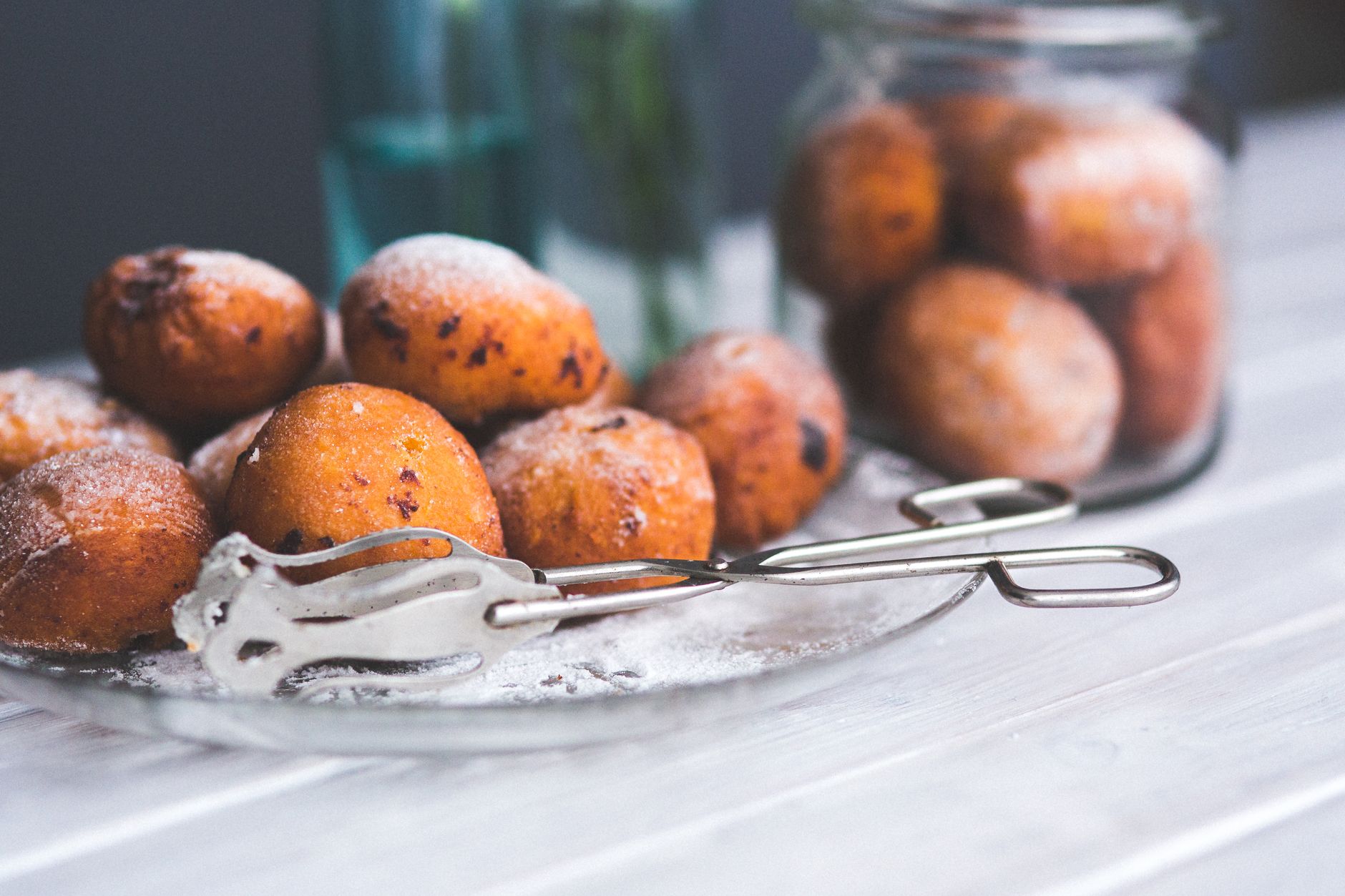
Malasadas are delectable deep-fried pastries that are a beloved treat in many cultures, particularly in Hawaii. These fluffy doughnuts are made with simple ingredients and are known for their golden-brown exterior and soft, pillowy interior. Whether rolled in granulated sugar or filled with a variety of sweet fillings, malasadas are an indulgent dessert or snack that can quickly capture the hearts of those who try them.
While they are often associated with Portuguese tradition, malasadas have been embraced and adapted in various ways across different regions. If you’re curious about what malasadas are, their ingredients, flavor profile, and how best to serve them, you’ve come to the right place.
What Are Malasadas?
Malasadas are a type of yeast-raised doughnut that originated in Portugal and were brought to the Hawaiian Islands by Portuguese immigrants. The name “malasada” translates roughly to “undergooked” in Portuguese, referencing the light and airy texture of these pastries. Traditionally, they are made without a hole, unlike their counterparts found in many other cultures.
The dough for malasadas is typically enriched with eggs and milk, which lends a rich flavor and tender crumb. After being mixed and allowed to rise, it is shaped into balls or ovals, fried until golden, and then coated with sugar. While they are delicious on their own, malasadas can also be filled with cream, custard, or other sweet fillings.
Ingredients of Malasadas
To make traditional malasadas, the following ingredients are required:
- 4 cups all-purpose flour
- ½ cup granulated sugar
- 2 teaspoons instant yeast
- 1 teaspoon salt
- 1 teaspoon vanilla extract
- ½ cup milk
- ½ cup water
- 2 large eggs
- ¼ cup butter, softened
- Vegetable oil for frying
- Additional granulated sugar for coating
Optional Fillings
While malasadas are often served plain, you can enhance your treat by using various fillings:
- Custard or pastry cream
- Chocolate or fruit preserves
- Sweetened cream cheese
- Coconut cream
The Flavor and Texture of Malasadas
The flavor of malasadas is subtly sweet, with the rich buttery notes coming through beautifully. The interior is incredibly soft and airy, while the exterior is crispy and slightly chewy from frying. The sugar coating adds a delightful crunch and sweetness, creating a perfect balance with the dough’s richness.
If filled, the filling adds a burst of flavor that complements the lightness of the dough. Filled malasadas can range from creamy and sweet custards to fruity preserves that contrast nicely against the fluffy base.
How to Serve Malasadas
Malasadas can be enjoyed warm or at room temperature. They are perfect for various occasions, making them a versatile treat. Here are some serving ideas:
Classic Serving
The most common way to serve malasadas is simply dusted with granulated sugar. This highlights the light sweetness of the dough and is a nostalgic presentation for many.
Filled Malasadas
If you opt to fill your malasadas, slice them open and pipe in your desired filling. This adds a surprising element for those biting into the soft dough. You can drizzle a little chocolate or caramel sauce over the top for extra indulgence.
Pairing with Coffee or Tea
Malasadas make an excellent accompaniment to coffee or tea. The sweetness balances well with the bitterness of coffee, making it a delightful treat for breakfast or an afternoon snack.
At Festive Occasions
Malasadas can be a star attraction at parties or community events, often served in large batches. They can be creatively decorated or presented in trays for sharing.
Step-by-Step Guide to Making Malasadas
Making malasadas at home can be a rewarding experience. Below is a detailed guide on how to prepare this delicious treat.
Yield and Timing
This recipe yields approximately 12 to 15 malasadas. The estimated preparation time is 1 hour, while the cooking time is about 30 minutes. Overall, you should allocate around 1 hour and 30 minutes for this project, including rising time for the dough.
Essential Equipment
- Large mixing bowl
- Clean, flat surface for rolling
- Rolling pin (optional)
- Frying pan or deep fryer
- Cooking thermometer (for frying temperature)
- Pastry bag (for filling, if desired)
- Cooling rack
Instructions
- Prepare the Dough: In a large mixing bowl, combine 4 cups of all-purpose flour, ½ cup of sugar, 2 teaspoons of instant yeast, and 1 teaspoon of salt. Mix well.
- Add Wet Ingredients: In a separate bowl, warm ½ cup of milk and ½ cup of water until lukewarm. Add in 2 large eggs, ¼ cup of softened butter, and 1 teaspoon of vanilla extract. Whisk until well blended.
- Combine Ingredients: Gradually pour the wet mixture into the dry mixture. Stir to form a sticky dough.
- Knead the Dough: On a floured surface, knead the dough for about 5-10 minutes until it becomes smooth and elastic.
- First Rise: Place the dough in a greased bowl, cover with a damp cloth, and let it rise in a warm area for about 1 hour, or until the dough has doubled in size.
- Shape Malasadas: After the dough has risen, punch it down to release the air. Divide it into equal portions (about 2-inch balls) and shape them into round or oval forms.
- Second Rise: Place the shaped dough on a floured surface, cover, and let them rise for an additional 30 minutes.
- Heat the Oil: While the malasadas are rising, heat vegetable oil in a deep frying pan to about 365°F (185°C).
- Fry the Malasadas: Fry the malasadas a few at a time, being careful not to overcrowd the pan. Cook each side for about 2-3 minutes or until golden brown.
- Drain Excess Oil: Remove the malasadas from the oil and place them on a cooling rack to drain. While still warm, roll them in granulated sugar if you prefer them plain.
- Fill if Desired: If you want to fill your malasadas, let them cool slightly, then use a pastry bag to pipe in your favorite filling.
Common Mistakes and Troubleshooting
When making malasadas, a few common pitfalls can arise. Here are some tips to avoid them:
Not Allowing Enough Rising Time
The dough needs adequate time to rise. If rushed, the malasadas may not have the desired light and fluffy texture. Be patient and allow the dough to double in size.
Incorrect Oil Temperature
Frying at too low a temperature can lead to greasy malasadas, while too high can result in burnt outsides and raw insides. Use a thermometer to monitor the oil’s temperature closely.
Overcooking or Undercooking
Monitor the frying time carefully. Each batch may need slight adjustments in timing depending on the size of the malasadas and the temperature of the oil. Look for a golden-brown color as an indicator of doneness.
Making Malasadas Ahead of Time
For those planning a gathering or simply wanting to enjoy malasadas later, here are tips for make-ahead convenience:
Preparing the Dough in Advance
Malasada dough can be prepared a day ahead. Prepare the dough and let it rise in the refrigerator overnight. Before frying, allow it to come back to room temperature and rise again before shaping.
Fried Malasadas Storage
Homemade malasadas are best enjoyed fresh, but you can store leftovers in an airtight container at room temperature for up to 2 days. To reheat, consider placing them in a microwave or a low-temperature oven for a few minutes.
Freezing Malasadas
Malasadas can also be frozen. Place the cooled malasadas in a single layer on a baking sheet and freeze until solid. Transfer them to a freezer bag for up to 2 months. Reheat them directly from frozen in a low oven.
Variations of Malasadas
Creativity knows no bounds when it comes to malasadas. Below are a few variations that can bring exciting flavors and textures to this already delightful treat:
Filled Variations
Explore fillings beyond the traditional. Experiment with:
- Matcha custard for a unique green tea flavor.
- Lemon curd for a zesty twist.
- Pumpkin spice filling for a seasonal treat.
Coating Variations
Rather than rolling in sugar, you can try other coatings such as:
- Cinnamon-sugar for added warmth and spice.
- Toasted coconut flakes for a tropical feel.
Glazed Malasadas
Dip the warm malasadas in a simple glaze composed of powdered sugar and milk for a sweet, sticky exterior.
Conclusion
Malasadas are a versatile treat that can be enjoyed in numerous ways, whether simply rolled in sugar, filled with sweet surprises, or paired with a warm drink. Their charm lies in their delightful texture and deep-fried goodness, which makes them hard to resist. Whether serving for breakfast, as a snack, or at a festive gathering, they are bound to be a hit.
If you’re excited to experiment in your kitchen, consider trying different variations of the doughnut or looking into related recipes and techniques. Explore simple recipes like an easy doughnut recipe without yeast or try your hand at a fry-bread recipe for further delicious creations!
For more ideas and inspiration, check out these helpful links: easy doughnut recipe without yeast and fry bread recipe.