
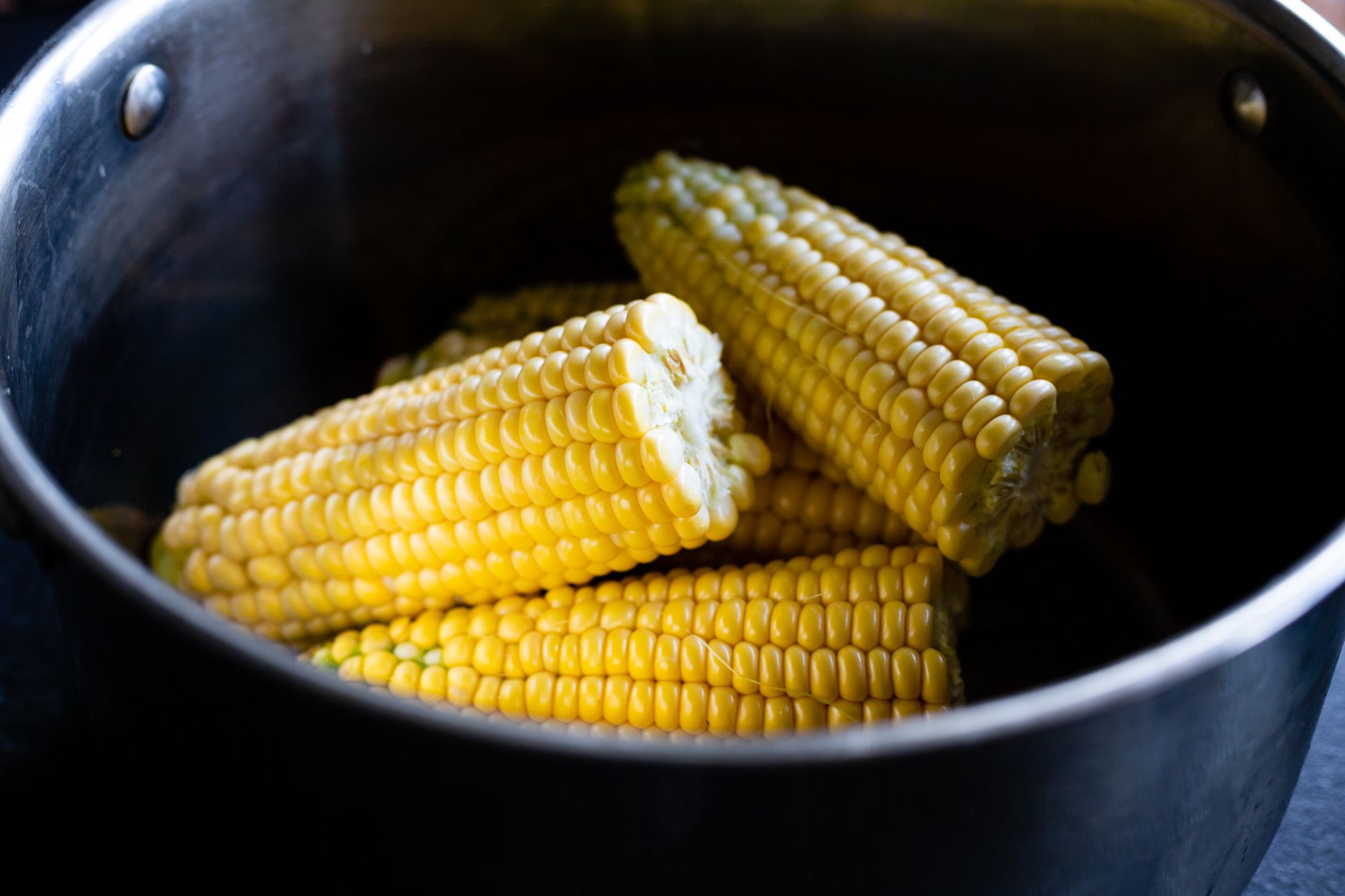
Corn is a staple in many kitchens and a popular ingredient in numerous dishes. Understanding its carbohydrate content is important for those monitoring their carbs, whether for dietary reasons, weight management, or health concerns. This article explores the carbohydrate content of corn, providing insights into serving sizes, nutritional facts, and how it fits into various dietary plans.
We will also cover the flavor and texture of corn, its culinary uses, and practical tips for incorporating it into meals. By the end, you’ll have a clearer perspective on whether corn is a suitable option for your diet.
Is Corn High in Carbs?
Corn is relatively high in carbohydrates compared to many other vegetables. One cup of cooked corn contains approximately 27 grams of carbohydrates, making it important to consider portion size if you are watching your carbohydrate intake. It is essential to choose your corn type and preparation wisely to best fit your dietary needs.
Nutrition Facts about Corn
Corn, particularly sweet corn, is a good source of various nutrients. Here’s a breakdown of the nutritional profile for one cup (about 145 grams) of cooked sweet corn:
- Calories: 143
- Carbohydrates: 27 grams
- Protein: 5 grams
- Fat: 2 grams
- Fiber: 3.5 grams
- Sugar: 6 grams
- Vitamin C: 4% of the Daily Value (DV)
- Vitamin B6: 9% of the DV
- Magnesium: 8% of the DV
- Thiamine: 24% of the DV
The high carbohydrate content of corn comes primarily from sugars and starches. However, it also contains a decent amount of fiber, which can aid digestion and help regulate blood sugar levels.
Understanding Carbohydrates
Carbohydrates are divided into three main categories: sugars, starches, and fiber. Each type plays a different role in the body:
- Sugars: Simple carbohydrates found in corn are primarily in the form of glucose and fructose. These sugars provide quick energy.
- Starches: These complex carbohydrates are the primary form of energy storage in corn and are digested more slowly than sugars, providing a more sustained energy source.
- Fiber: This type is crucial for digestive health and can help manage cholesterol levels. The fiber in corn may help mitigate some negative effects of high carbohydrate consumption.
Types of Corn and Their Carbohydrate Content
There are several types of corn, each with different carbohydrate contents:
- Sweet Corn: Typically consumed as a vegetable, sweet corn tends to have higher sugar content and, therefore, a higher carbohydrate value per serving.
- Field Corn: Usually used for animal feed, this corn variety is higher in starch and lower in sugar. It is not commonly eaten by humans.
- Popcorn: A whole grain that pops when heated, popcorn has a different carbohydrate profile, with around 30 grams of carbs per three-cup serving when popped.
- Cornmeal: Ground corn used in baking, it is higher in carbs and lower in fiber than whole corn. One cup of cornmeal contains around 70 grams of carbohydrates.
When incorporating corn into your diet, it’s crucial to consider what variety you choose, as this will affect your overall carbohydrate intake.
Portion Sizes and Serving Suggestions
Portion sizes play a crucial role in managing carbohydrate intake. While one cup of cooked corn is about 27 grams of carbohydrates, serving sizes can vary in different dishes:
- A typical serving of corn on the cob is half to one cob, which can contain approximately 15-20 grams of carbohydrates.
- Corn salads may have mixed servings, typically ranging from 1/2 cup to 1 cup, greatly influencing the total carbohydrate intake.
- When making cornbread or polenta, consider the serving size in recipe preparation as it may amplify carbohydrate counts.
Incorporating Corn into Your Diet
Corn can be a delicious part of a balanced diet. Here are some suggestions for incorporating corn while managing your overall carbohydrate intake:
- Pair it with Protein: Combine corn with protein-rich foods such as beans, chicken, or fish to help balance your meal.
- Add Vegetables: Mix corn with other low-carb vegetables such as spinach or zucchini to create a more nutritionally balanced dish.
- Watch Portions: Serving corn in moderation and adjusting portion sizes according to your dietary needs can help manage your carb intake effectively.
- Use in Dishes: Incorporate corn into soups, stews, salads, and rice dishes for added flavor and nutrition without overloading on carbohydrates.
Considerations for Low-Carb Diets
If you are following a low-carb diet, you may need to be cautious about consuming corn. Here are a few considerations:
- Track Your Intake: Pay attention to total carbohydrate counts in meals that include corn. Utilize tools or apps to help you maintain awareness.
- Select Smaller Portions: Opt for smaller servings of corn or consider using it as a garnish rather than the main ingredient in meals.
- Choose Alternatives: If you find corn is too high in carbs for your dietary preferences, consider other vegetables like cauliflower or zucchini, which are lower in carbohydrates.
Cooking and Storage Tips for Corn
Knowing how to properly cook and store corn can enhance its flavor and nutritional value:
Cooking Corn
- Boiling: Place husked corn cobs in boiling water, cover, and cook for about 4-6 minutes. This method preserves nutrients while enhancing sweetness.
- Grilling: For a smoky flavor, grill corn in its husk for about 15-20 minutes, turning occasionally. This method imparts a unique flavor and can be delicious in summer barbecues.
- Oven Roasting: Roasting corn at 375°F (190°C) for 25-30 minutes adds a slightly caramelized flavor.
- Sautéing: Cut corn kernels off the cob and sauté them in a bit of oil or butter over medium heat for about 5-7 minutes.
Storing Corn
Proper storage extends the shelf life of corn:
- Fresh Corn: Store unshucked corn in the refrigerator and consume within a few days for optimal freshness. Once shucked, consume corn within 1-2 days.
- Cooked Corn: Store cooked corn in an airtight container in the refrigerator for up to 3 days. Reheating is best done in a skillet or microwave.
- Freezing Corn: To freeze corn, blanch it in boiling water for 4 minutes, then immerse in ice water. Once cooled, store in freezer bags for up to 8-12 months.
Common Mistakes When Cooking with Corn
There are a few pitfalls when working with corn that can affect your dishes:
- Overcooking: Cooking corn for too long can make it tough and less flavorful. Stick to recommended cooking times.
- Ignoring Seasoning: Corn can become bland without seasoning. Salt, pepper, butter, and herbs can enhance its natural sweetness.
- Storing Corn Incorrectly: Make sure to store fresh corn properly, as improper storage can lead to loss of flavor and texture.
Practical Corn Recipes to Try
If you’re inspired to incorporate corn into your meals, here are a couple of delicious recipes to try:
Corn Pudding
Corn pudding is a comforting side dish that showcases the sweetness of corn. This dish is rich and creamy, perfect for gatherings.
- Prep Time: 15 minutes
- Cook Time: 45 minutes
- Servings: 6
- Preheat your oven to 350°F (175°C).
- In a bowl, mix together 2 cups of corn (fresh or frozen), 1 cup of milk, 1/2 cup of sugar, 3 eggs, and a pinch of salt.
- Add 1 cup of cornmeal, and stir well until smooth.
- Pour the mixture into a greased baking dish and bake for 45 minutes, until set and golden brown on top.
Corn Soufflé
Corn soufflé is a fluffy, light dish the whole family will enjoy. Its unique texture and flavor are sure to impress.
- Prep Time: 20 minutes
- Cook Time: 30 minutes
- Servings: 8
- Preheat your oven to 375°F (190°C).
- In a bowl, combine 2 cups of corn puree, 1 cup of milk, and 1/2 cup of grated cheese.
- In a separate bowl, beat 5 egg whites until stiff peaks form.
- Fold the beaten egg whites into the corn mixture gently, then pour into a greased soufflé dish.
- Bake for 30 minutes, or until puffed and golden.
Conclusion
Corn is high in carbohydrates, making it essential to consider portion sizes when incorporating it into your meals. Despite its carbohydrate content, corn offers many nutrients and can be enjoyed in moderation within a balanced diet. Experiment with cooking methods and recipes to find enjoyable ways to include corn while managing your overall carbohydrate intake.
For more delicious ways to use corn, check out our Corn Pudding Recipe or explore the tasty Corn Soufflé Recipe for inspiration in your kitchen.