
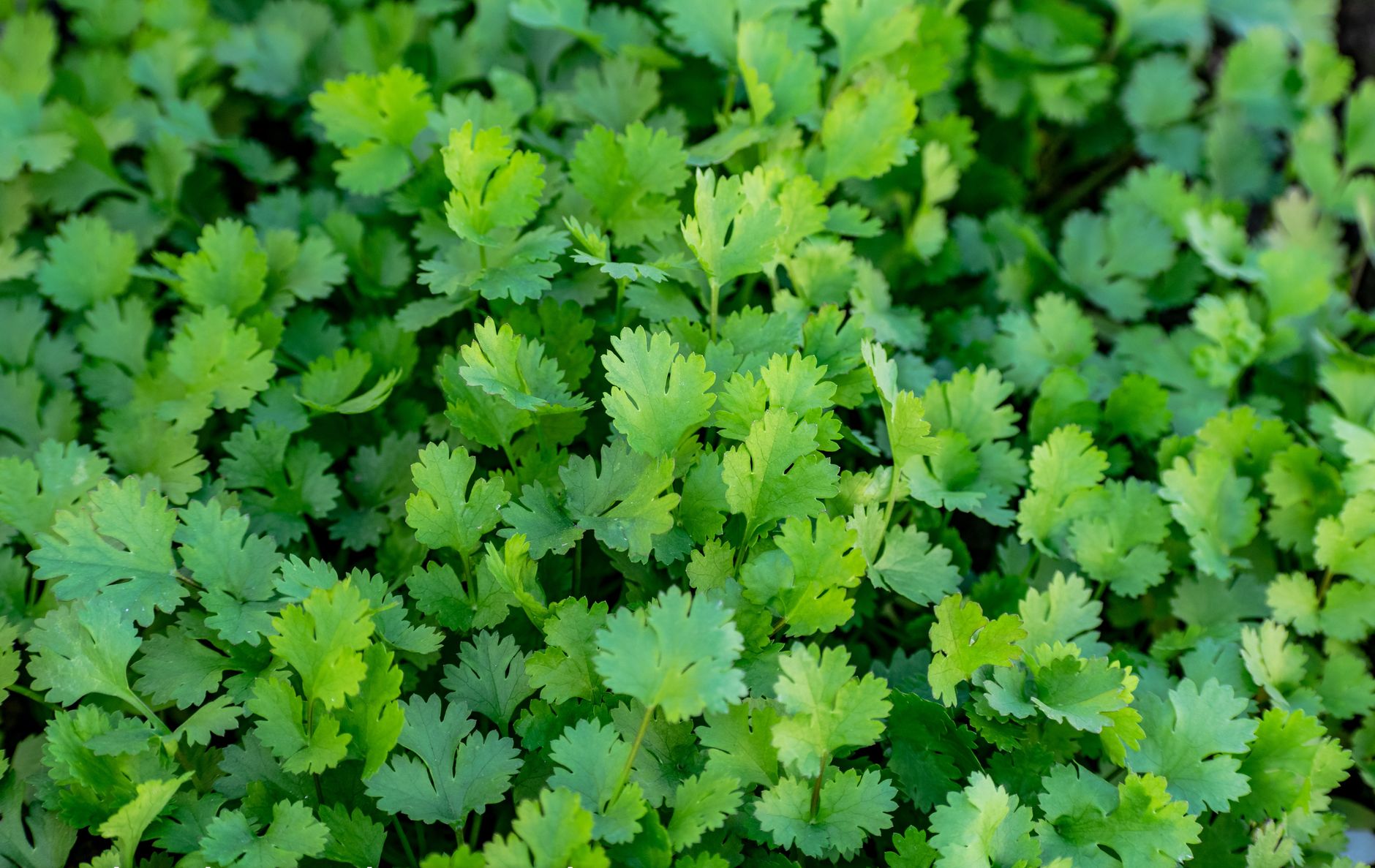
Coriander and cilantro often cause confusion in culinary circles, but they refer to the same plant, with different names depending on the region. Understanding the distinction can enhance your cooking experience and help you use this versatile herb correctly. This article will clarify these terms and offer practical tips on how to use, substitute, and store cilantro, also known as coriander.
The terms “coriander” and “cilantro” are often used interchangeably in the United States, but they can refer to different parts of the same plant, Coriandrum sativum. The leaves and stems are known as cilantro, while the seeds are called coriander. This guide will delve into the characteristics, culinary uses, and more, ensuring you navigate your way through this fragrant herb effortlessly.
Is Coriander Cilantro?
Yes, coriander and cilantro refer to the same plant, but the names denote different parts. In the U.S. and Canada, “cilantro” generally refers to the leaves and stems, while “coriander” refers to the seeds. In many other parts of the world, both terms may refer to the entire plant. Understanding this distinction is essential for effective communication in cooking, shopping, and recipe adaptation.
Culinary Characteristics of Cilantro
Cilantro is renowned for its fresh, invigorating flavor, which is pivotal in many cuisines worldwide. Here are some characteristics to note:
- Flavor: Cilantro has a bright, citrusy flavor with a hint of pepper. Some people may find it polarizing; its taste can be perceived as soapy due to genetic differences among individuals.
- Aroma: The aroma of cilantro is fresh and green, often described as earthy and herbal.
- Texture: The leaves are delicate and tender, while the stems are slightly tougher but still edible and flavorful.
Culinary Uses of Cilantro
Cilantro is a favorite in a variety of dishes, contributing depth and freshness. Here are common culinary applications:
- Fresh Salsa: Cilantro adds a bright note to classic salsa recipes, balancing out the acidity of tomatoes and lime.
- Soups and Stews: Sprinkling fresh cilantro enhances dishes like chicken soup and spicy stews, where it can add a layer of complexity.
- Salads: Cilantro works wonderfully in salads, pairing with ingredients like lime, avocado, and beans.
- Asian Cuisine: It is integral to dishes such as Vietnamese pho and Thai curries, adding a refreshing brightness.
- Middle Eastern Dishes: Cilantro is commonly used in tabbouleh and various meat dishes, complementing spices beautifully.
How to Select Fresh Cilantro
Choosing fresh cilantro involves a few simple tips:
- Look for vibrant color: Fresh cilantro should have bright green leaves without yellowing or wilting.
- Avoid wilting or dampness: The leaves should be crisp to the touch and not slimy.
- Check the aroma: A strong, fresh scent is a good indicator of quality.
Storing Cilantro
Proper storage can prolong the freshness of cilantro:
- Short-term storage: Keep cilantro in a glass of water at room temperature, covering the leaves loosely with a plastic bag. This method can keep the herb fresh for up to a week.
- Refrigeration: Alternatively, wrap cilantro in a damp paper towel and place it in a sealed plastic bag in the refrigerator. This can extend its life for about two weeks.
- Freezing: For longer storage, you can chop cilantro and mix it with a bit of water or oil before freezing in an ice cube tray. This makes it easy to add to soups and sauces later.
Using Coriander Seeds
Coriander seeds offer a different taste profile compared to cilantro leaves:
- Flavor: The seeds are warm and spicy with citrus undertones, adding a unique flavor to dishes.
- Whole vs. Ground: Whole seeds retain flavor longer than ground coriander. Grinding them fresh can enhance their aromatic qualities.
- Culinary Uses: Ground coriander is popular in spice blends, curries, and baked goods, while whole seeds can be used in pickling, marinades, or roasted dishes.
Substitutions for Cilantro and Coriander
If you find yourself in need of a substitute for cilantro or coriander, various herbs can fill the void:
Substitutes for Cilantro
- Parsley: While lacking the distinct flavor of cilantro, parsley provides a fresh green note, making it a suitable alternative in salsas and salads.
- Basil: Its sweet, aromatic qualities can work well in Asian and Mediterranean dishes instead of cilantro.
- Mint: Mint adds a refreshing taste that can be an interesting twist in many recipes requiring cilantro.
Substitutes for Coriander Seeds
- Cumin: Although it’s spicier, cumin can be a good stand-in in savory dishes.
- Caraway Seeds: With a hint of sweetness reminiscent of coriander, caraway can work in baking and savory contexts.
- Garam Masala: This spice blend often includes coriander and can substitute for it in Indian recipes.
Common Mistakes When Using Cilantro and Coriander
When cooking with cilantro and coriander, avoid these common pitfalls:
- Using cooked cilantro: Cooking cilantro can cause it to lose its fresh flavor. It is best added at the end of cooking or as a garnish.
- Incorrect substitution: Not all cilantro substitutes will create the same flavor profile. Understanding these nuances ensures better results.
- Overextending storage: Avoid using cilantro that is past its prime. A wilted or yellowing herb will negatively affect your dishes.
Incorporating Cilantro in Your Meal Planning
Cilantro is quite versatile and can make meal planning easier. Here are some ideas for incorporating it into various meals:
Breakfast
- Add chopped cilantro to your scrambled eggs or omelets for a cheerful morning lift.
- Blend cilantro into smoothies for added freshness, pairing it with fruits like mango or pineapple.
Lunch
- Include cilantro in a quinoa or chickpea salad, mixing it with chopped tomatoes and lemon juice.
- Serve cilantro-laden wraps filled with grilled chicken or roasted vegetables for a flavorful lunch option.
Dinner
- Add cilantro to tacos or burrito bowls, combining it with avocado, beans, and salsa for a refreshing touch.
- Incorporate it into curry or stir-fry dishes, adding it towards the end for a burst of herbal flavor.
Popular Cilantro Recipes
Cilantro is a key ingredient in many popular dishes. Here are a couple of recipe ideas to inspire your cooking:
Chimichurri
This vibrant sauce traditionally pairs with grilled meats but can also enhance vegetables.
Ingredients
- 1 cup fresh cilantro, finely chopped
- 1/2 cup olive oil
- 1/4 cup red wine vinegar
- 4 cloves garlic, minced
- 1 teaspoon red pepper flakes (optional)
- Salt and pepper to taste
Instructions
- In a bowl, combine cilantro, olive oil, vinegar, garlic, and red pepper flakes.
- Stir until well mixed and season with salt and pepper.
- Allow it to sit for at least 30 minutes to let the flavors meld before serving.
Salsa Fresca
This fresh salsa can liven up any meal.
Ingredients
- 4 ripe tomatoes, diced
- 1/2 onion, finely chopped
- 1 jalapeño, minced (optional)
- 1 cup fresh cilantro, chopped
- Juice of 1 lime
- Salt to taste
Instructions
- In a mixing bowl, combine diced tomatoes, onion, jalapeño, and cilantro.
- Add lime juice and salt, then mix thoroughly.
- Let the salsa sit for at least 10 minutes before serving for flavors to develop.
Conclusion
Coriander and cilantro may refer to the same plant, but they have distinct uses in cooking. By understanding their characteristics and applications, you can make informed choices in your recipes and meal planning. Don’t hesitate to explore the world of flavors these herbs can bring to your dishes.
For more information on ingredient substitutions, check out substitutes for coriander or try your hand at a chimichurri recipe with cilantro.